Ukraine sets modest goals for first Abu Dhabi peace talks round
Ukrainian officials expect limited progress in the initial trilateral negotiations with Russia and the US, placing greater hopes on the second round of discussions scheduled for November.
By Evelyn Adeyemi ·
Ukraine is not anticipating a major diplomatic breakthrough during the first session of its trilateral negotiations with Russia and the United States. Instead, officials are placing their primary expectations on the second round of talks, which will follow the initial meeting. This cautious outlook was articulated by Davyd Arakhamiia, who serves as the leader of the Servant of the People parliamentary faction and is a key representative for Ukraine in these ongoing discussions.
In a recent interview with DW, Arakhamiia explained the rationale behind the lowered expectations for the opening session. He noted that a significant pause had occurred in the negotiation process, meaning that simply resuming trilateral contact is itself considered a notable achievement. Because of this long break, the Ukrainian delegation views the first meeting as a foundational step rather than a decisive moment for closing gaps between the parties.
"I don't think so," Arakhamiia said regarding the likelihood of an immediate breakthrough. He added, "I'll tell you why: there was a big break for the negotiations. So internally we know that renewing trilateral talks is an achievement by itself.. So that's why the first talks, we have minimal expectations. But the second round, we have expectations." This distinction highlights the strategic approach of using the initial round to rebuild momentum and communication channels.
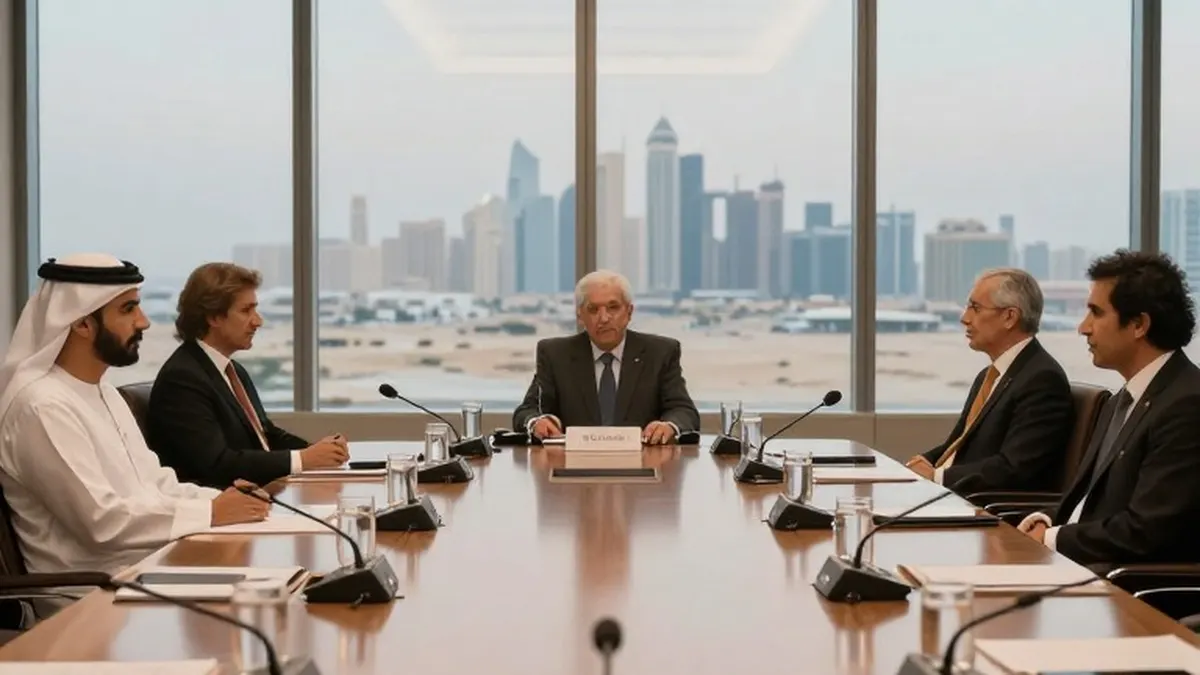
The peace talks involving Ukraine, the United States, and Russia are scheduled to take place in Abu Dhabi on November 10 and 11, 2026. The event is expected to draw significant international attention, with high-level participation from European institutions and key allied nations. Representatives from the European Commission, the European Council, as well as Germany, France, and Britain, will attend at the security adviser level.
Additionally, the chief of staff to the NATO Secretary General will be present at the Abu Dhabi meetings. This broad coalition of observers and participants underscores the importance the international community places on the outcome of these negotiations. The presence of these figures signals a coordinated effort to support the peace process from multiple geopolitical angles.
Before the formal start of the Ukraine-US-Russia talks, a specific diplomatic track is planned between Washington and Europe. US special envoys Jared Kushner and Steve Witkoff are set to hold a dedicated meeting with European representatives. This preliminary session aims to align positions and strategies between the American delegation and its European partners before the three main parties sit down together.
On the Ukrainian side, the delegation is composed of senior officials from both the intelligence and presidential offices. Rustem Umierov, the Head of the Foreign Intelligence Service, will represent Ukraine alongside Kyrylo Budanov, the Head of the President's Office. Also included in the team are Serhii Kyslytsia, the First Deputy Head of the President's Office, and Vadym Skibitskyi, the Deputy Head of Defence Intelligence of Ukraine.
Arakhamiia will also be part of this high-level delegation. The composition of the team reflects the sensitivity of the negotiations, drawing on expertise from intelligence agencies and the direct administrative apparatus of the Ukrainian presidency. This structure allows Ukraine to address both security concerns and political frameworks in a unified manner.
Regarding the role of the United States, Arakhamiia observed that Washington has not clearly chosen a side in the conflict. He described the American approach as attempting to remain as "symmetrical" as possible in its interactions with both Kyiv and Moscow. This perceived neutrality is seen as a critical factor in the US's ability to mediate effectively between the two belligerents.
As the November 10-11 window approaches, the focus will shift from preparatory meetings to direct dialogue. While the first round may yield few tangible concessions, the success of the second round will likely depend on the groundwork laid during these initial days in Abu Dhabi. The international community will be watching closely to see if the renewed contact can translate into substantive progress toward a lasting peace.