Tesla profits dip as spending on future tech outpaces sales
The automaker reported flat revenue and lower net income this quarter, citing heavy investments in AI and new vehicles despite improved margins.
By Lauren Collins ·
Tesla posted a mixed bag of numbers today that shows the company is still fighting to balance growth with profit.
The electric vehicle maker released its financial results for the third quarter after the stock market closed on Tuesday. Investors had largely expected a flat period, and the top line proved them right. Tesla reported $28.05 billion in revenue, which is essentially unchanged from the same period last year. While this met Wall Street expectations, the bottom line took a hit. Non-GAAP earnings per share came in at $0.48, slightly beating analyst estimates but down from a year ago. On a stricter accounting basis, net income fell by 43 percent to $787 million.
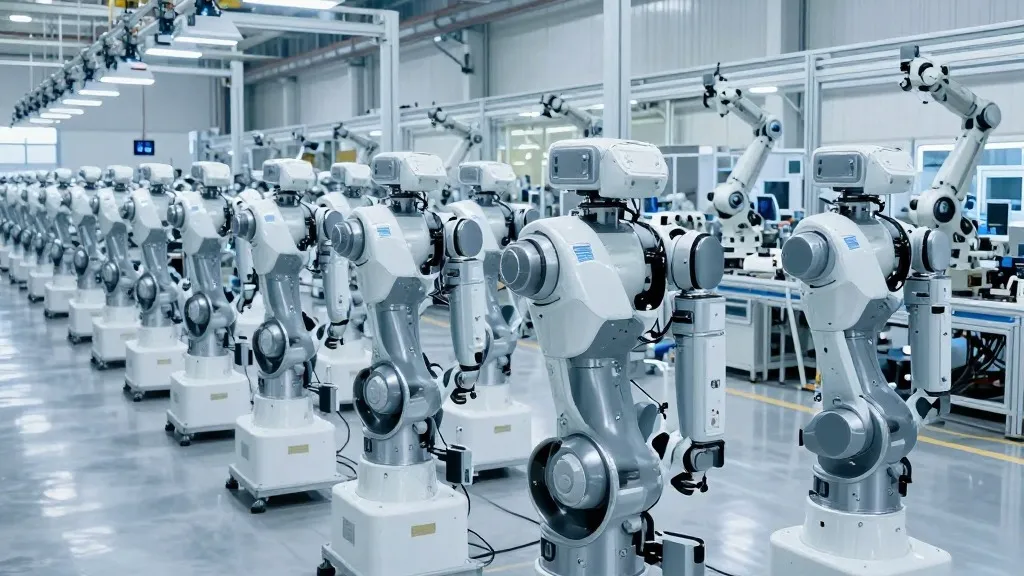
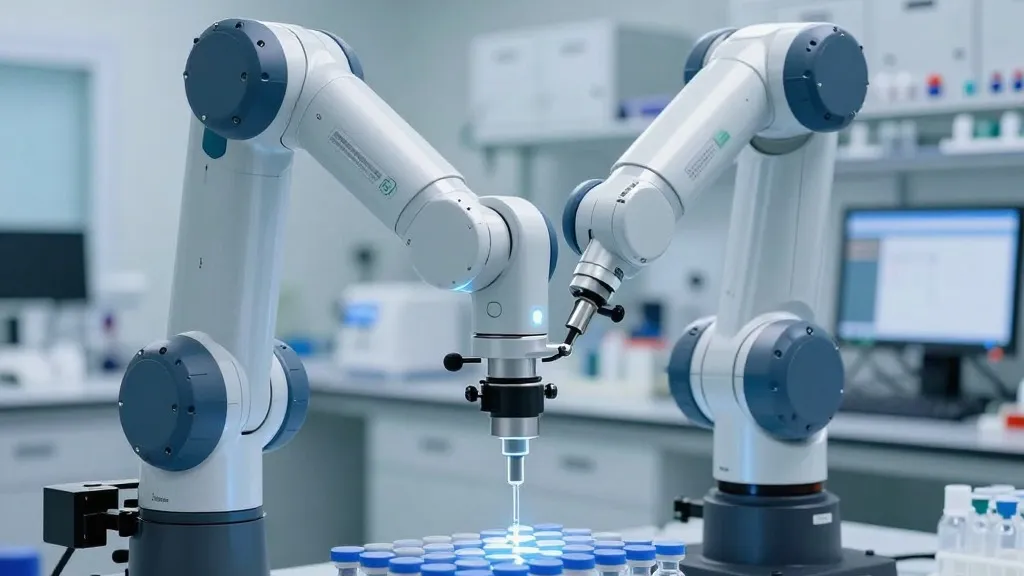
The core of the financial story lies in how the company is spending its money. Margins improved significantly compared to the weak second quarter, with auto gross margin excluding credits rising back above 18 percent. However, operating income dropped by 56 percent year-over-year. This decline is driven by a massive surge in operating expenses, which rose 39 percent to nearly $4.8 billion. Research and development costs jumped 69 percent as Tesla pours capital into its artificial intelligence efforts, the Optimus robot, and the Cybercab. Stock-based compensation also spiked to over $1 billion, reflecting the CEO's pay package.
Capital spending tells a similar story of heavy investment. Tesla spent $4.73 billion on new assets this quarter, more than double the amount from a year ago. This spending pace leaves the company with about $45.4 billion in cash and investments. However, analysts note that the total spending for the first nine months of 2026 is only half of what management previously guided for the full year. To hit that target, Tesla would need to spend roughly $12 billion in the final quarter alone, which would be a historic surge.
On the sales floor, the company faces some tricky dynamics. Tesla delivered 486,532 vehicles, a slight decline from last year but ahead of what most analysts predicted. The company attributes the flat sales volume to battery availability rather than a lack of consumer interest. Management claims they have the largest backlog of passenger vehicles in four years. Yet, average selling prices continued to fall, a trend that usually signals price cuts to boost demand rather than supply constraints.
Different parts of the business performed with varying success. The energy sector saw revenue drop 16 percent due to refunds related to tariffs, even though battery deployments increased. In contrast, the services segment, which includes charging and insurance, was a bright spot with revenue up 33 percent and gross profit at a record high. Tesla also reported that active subscriptions for its Full Self-Driving software reached 1.74 million, a 67 percent increase, though this count includes upfront purchases.
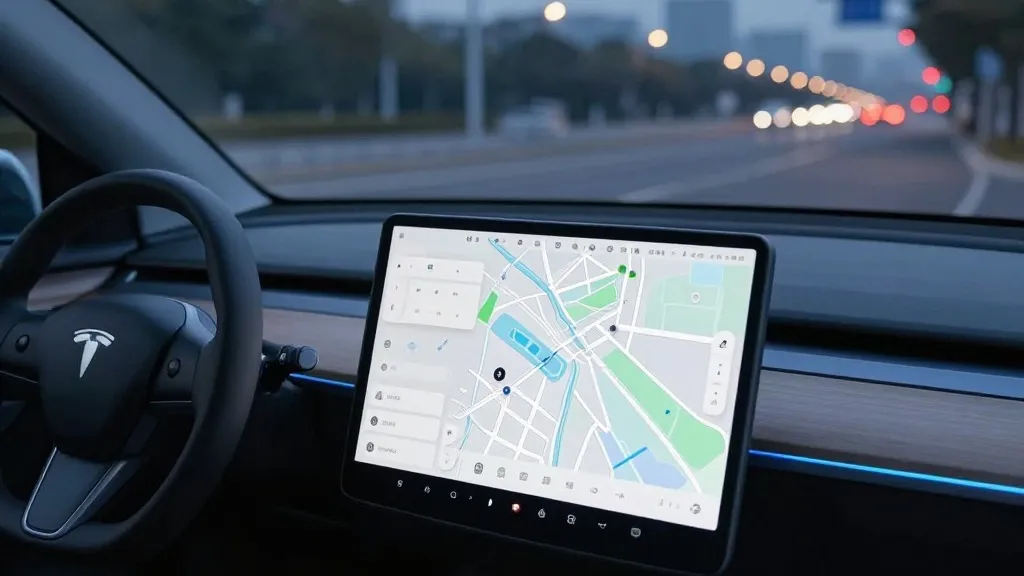
The company’s shareholder letter highlights a strategic shift toward autonomy. Tesla says its Robotaxi service has accumulated nearly 2 million unsupervised miles by the end of the quarter. The Cybercab recently joined the fleet in Austin, marking a new phase in the company's push for driverless operations. Despite these technological milestones, the immediate financial pressure remains high as the company balances its ambitious future plans with current profitability.
Looking ahead, management will discuss these results during an earnings call scheduled for later this evening. The full shareholder deck is available on the company's investor relations website. For now, the narrative is one of a company trading current profits for future scale, betting that its heavy spending on AI and new vehicle types will eventually pay off in the coming years.
The reaction from the market and investors will likely focus on whether the improved margins are a sustainable trend or a temporary reprieve. With the second quarter showing a significant dip in operating margin, this quarter's recovery offers some relief, but the year-over-year decline in operating income suggests the challenges are far from over. The coming months will reveal if Tesla can maintain this momentum while executing its massive capital expenditure plans.
Source: Electrek