Tesla hits 1.74 million FSD subscriptions
Tesla's active Full Self-Driving subscriptions have grown to 1.74 million, a 67% increase from a year ago.
By Jacob Leary ·
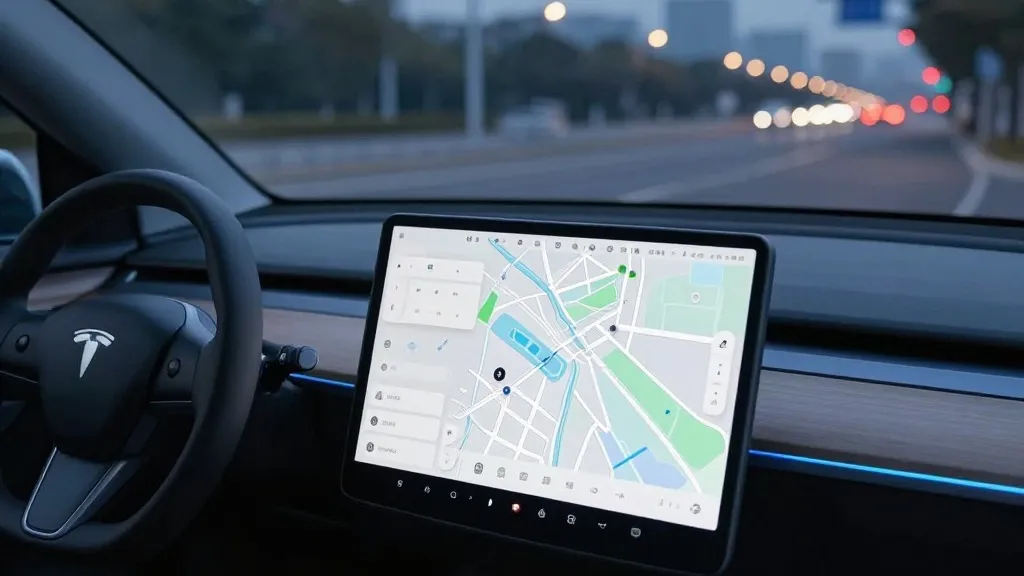
Tesla now has 1.74 million active Full Self-Driving subscriptions, a 67% increase from a year ago. This metric follows the terms of the 2025 CEO Performance Award, which includes both upfront payments and monthly subscriptions. Owners who purchased FSD outright, even years ago, are counted as subscribers as long as their car remains active. This matters because reaching 10 million active FSD subscriptions is one of the milestones Elon Musk must hit to earn his 2025 pay package. However, hundreds of thousands of FSD subscribers were sold unsupervised self-driving, a feature Tesla has yet to deliver.
Tesla stopped selling FSD as a one-time purchase on February 14, 2026. New customers can only get it as a subscription, at $99 a month in the US. However, those who paid upfront before this date, at prices that reached $15,000, remain in the count as long as the car is active. The only exclusion is free trials. Tesla did not disclose how many of the 1.74 million subscribers are still paying each month.
The same approach shows up elsewhere in the letter. Tesla’s “cumulative deliveries” figure, now 10.2 million, also counts “any unsupervised Robotaxis placed into commercial operation,” to match the pay package, which has a 20 million vehicle milestone.
Tesla also says more than 75% of new deliveries in North America included FSD subscriptions in Q3, “a nearly twenty percentage point sequential increase.” It says it believes “FSD is driving demand in markets where it is available.” This is a big number, and Tesla does not define it. The letter does not say whether it counts subscriptions started at delivery with an introductory offer, or how many of those buyers are still paying after a few months. The active-subscription metric excludes free trials, but Tesla does not say the same about the attach rate.
Musk’s 2025 award has 12 tranches. Each requires a market cap milestone and one operational milestone. The operational list includes 20 million vehicles delivered, 10 million active FSD subscriptions, 1 million Optimus robots, 1 million robotaxis in commercial operation, and adjusted EBITDA targets. As of June 30, Tesla considered only one of them probable: 20 million deliveries.
Tesla added 260,000 net FSD subscriptions in Q3, its best quarter yet. At that pace, it would take about eight years to reach 10 million. At the pace of the last 12 months, about 700,000 a year, it would take closer to 12. The award runs until 2035.
Counting people who bought FSD outright isn’t wrong on its own. Those cars do have the software. The problem is calling them “subscriptions” and presenting the total as proof of momentum, when the definition was written for Musk’s pay package and not for investors trying to understand the business.
The metrics that are far off in Musk's 2025 comp plan don't matter because if there is a change of control (i.e., SpaceX buys Tesla), all the comp plan metrics vest and count as achieved, and good old Elon gets paid. And you wonder why he wants this merger?
Also, you promised unsupervised self-driving to many of those “subscribers.” Hardly a win to count them now in a “supervised” service with no end in sight for the supervision.
This is now Tesla’s headline software metric. The board wrote the definition, Musk’s compensation depends on it, and the company won’t say how many people pay $99 a month. Tesla obviously knows that number.
The attach rate is the more interesting claim, if it holds up. A 75% take rate on a $99-a-month product would be a real business. So show us the retention: how many North American buyers who started a subscription in Q2 are still paying today? If you’re buying an EV, powering it with home solar can cut your fuel costs to nearly zero. With electricity rates up almost 10% last year and expected to keep climbing, going solar is one of the best ways to protect yourself against rising costs. And with lease and PPA options, you can do it with zero upfront cost and start saving immediately. If you want to find the best deal, check out EnergySage. It’s a free service with hundreds of pre-vetted installers competing for your business, so you save 20 to 30% compared to going it alone. No sales calls until you pick an installer. Get your free quotes here.
Source: Electrek