House Progressives Reach Record High After Midterm Gains
The Congressional Progressive Caucus is expanding to over 105 members following midterm victories in traditionally Republican districts, signaling a push for more aggressive legislative agendas.
By Lorenzo Evans ·
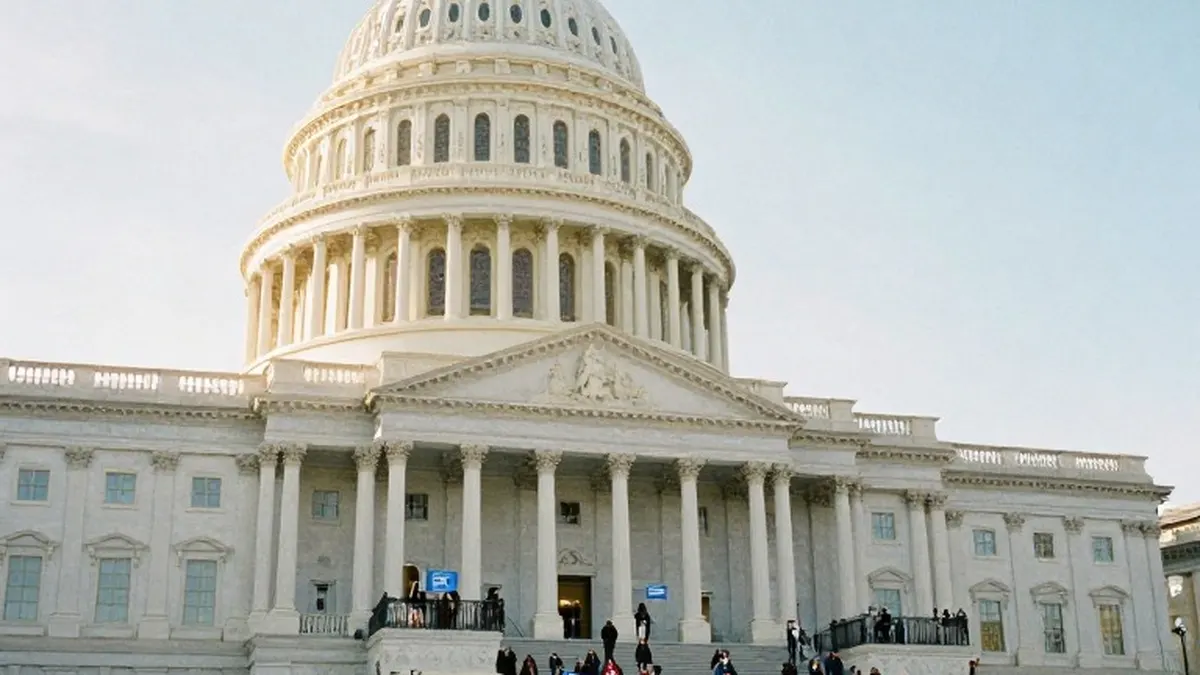
The Congressional Progressive Caucus is preparing to welcome its largest group of members in history as the next Congress convenes. The group, which has often been viewed as the left wing of the Democratic Party, will grow to include more than 105 lawmakers. This expansion follows a series of electoral wins that the caucus leaders believe demonstrate a strong voter mandate for sweeping policy changes.
The caucus announced on Sunday that it will add more than 25 new members. A notable aspect of this growth is the number of winners from red districts, a trend that marks a significant shift in the political landscape. Many of these newcomers campaigned on platforms that included Medicare for All, enhanced worker protections, and a reduction in U.S. military support for Israel during its conflict in Gaza.
Greg Casar, the current chair of the caucus, stated that progressive ideas were central to the election results. Speaking in front of the Capitol, he emphasized that the group must now work to fulfill the promises made during the campaign season. The previous Congress featured 100 members in the caucus, so the recent increase represents a substantial jump in influence within the House.
Several candidates endorsed by the caucus won in competitive races that had previously favored Republican candidates. For example, Randy Villegas secured a victory in a California district where Donald Trump won by two points in 2024. Katy Padilla Stout also won in Texas, taking a district that Trump had carried by 15 points. Additionally, Sam Forstag won in Montana, a state where Trump had a significant margin of victory.
Pramila Jayapal, the caucus chair emerita, expressed surprise at the magnitude of the wins, particularly from candidates who ran on Medicare for All in risky districts. She noted that the caucus plans to travel to red states like South Carolina and Florida to promote the single-payer healthcare initiative. Jayapal pointed to the experience of Shomari Figures in Alabama, where opponents struggled to effectively attack his support for Medicare for All during his reelection bid.
While the progressive bloc is growing, the centrist New Democrat Coalition is also expanding. This group, which is currently the largest House Democratic caucus with 114 members, is expected to add about 39 members, including 30 from flipped seats. Third Way, a centrist think tank, argued that moderate candidates played a key role in securing the Democratic majority by flipping 31 Republican-held House seats.
Despite the growth of the centrist bloc, Casar indicated that the progressives intend to bring bills on wages, housing, and healthcare to the floor for a vote. He expressed confidence that the caucus would push for legislation even in the face of potential vetoes, arguing that the best way to prevent a bill from becoming law is to never pass it in the first place.
The incoming members include Adam Hamawy of New Jersey, who will become the state's first Muslim member of Congress. A former Army combat surgeon, Hamawy volunteered at a hospital in Gaza in 2024. He stated that the American people voted for change and expressed a desire to pass Medicare for All and address the conflict in Gaza. Other new members have already begun coordinating, with three progressives writing to Israel's ambassador to demand the release of a detained Palestinian journalist.
Casar noted that the caucus has not yet decided on its support for the speaker of the House race, with each member expected to vote individually. He added that the group is not trying to be the largest caucus but has found itself in that position. The ultimate impact of the progressive bloc will depend on how these new members vote in key leadership contests and legislative battles.