Democrats Seize Both Chambers, Signaling Major Shifts in Trade and Defense
The 2026 midterm elections have ended with a Democratic victory that will reshape U.S. policy on Iran, tariffs, and international alliances.
By Evelyn Adeyemi ·
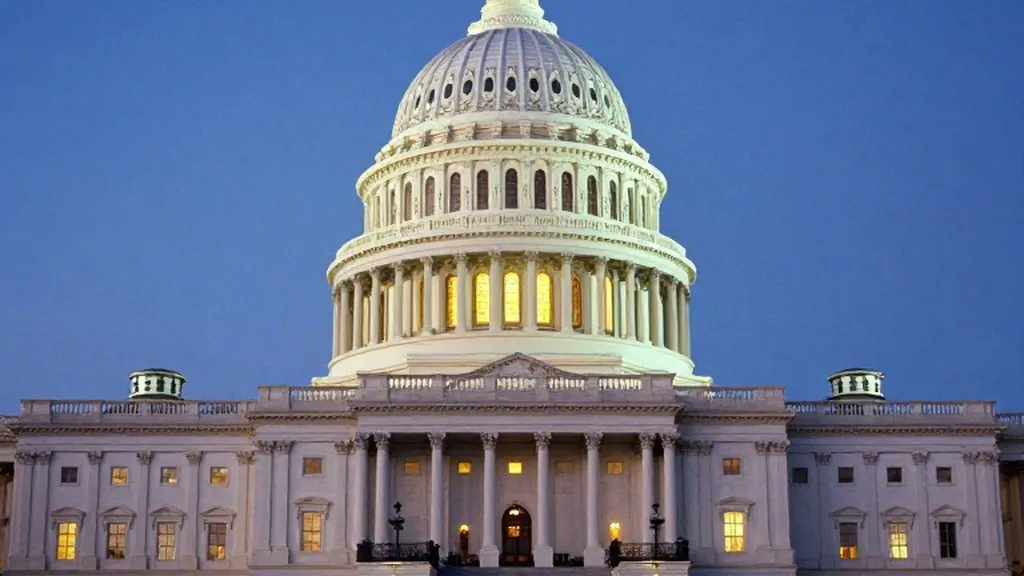
The 2026 United States midterm elections have concluded with a decisive shift in power. Democrats have won majorities in both the House of Representatives and the Senate, marking a significant repudiation of President Donald Trump's second term. According to results compiled by Ballotpedia as of 4 p.m. Eastern Time on November 6, Democrats secured at least a 250 to 157 majority in the House and a 54 to 44 majority in the Senate. This outcome represents the top 20% of election years in terms of seat swings against the president's party, a threshold often defined as a wave election.
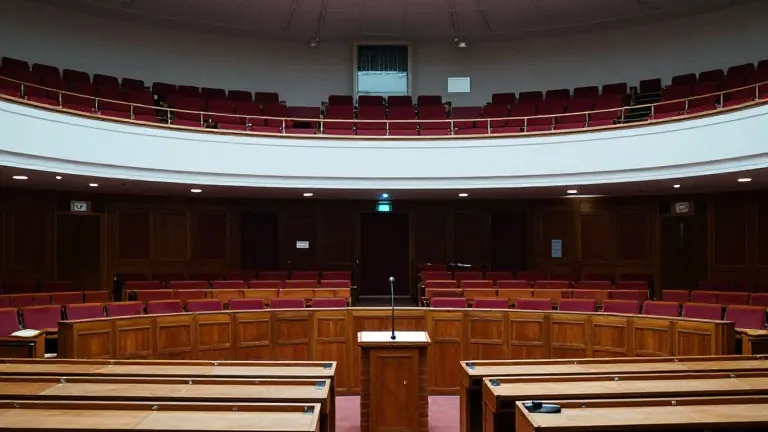
For readers outside the United States, this change in Congress means a new balance of power in the executive and legislative branches. In the U.S. system, the President leads the executive branch, but Congress holds the power of the purse and the authority to confirm treaties and appointments. With Democrats controlling both chambers, they can now block or amend legislation proposed by the Trump administration. This includes potential changes to trade tariffs, defense spending, and regulatory frameworks that affect global markets.
The election results were driven by widespread voter dissatisfaction with high prices and the ongoing war in Iran. The AP Voter Poll indicated that three-quarters of voters described the economy as poor or not so good. Approximately 80% reported that inflation caused moderate or severe financial hardship. This economic anxiety, combined with concerns over government corruption, motivated a high turnout that surpassed early-voter numbers from the 2022 election. More than 59 million Americans had already cast ballots before election day, according to an Associated Press analysis.
Democrats also gained control of state governments, winning 22 of the 36 gubernatorial races on the ballot. This is the first time Democrats have won a majority of governorships since before the 2010 elections. State leaders, such as Xavier Becerra, who became California's first elected Latino governor, will now have more influence over domestic policy. Becerra's victory highlights the political diversity of the new Democratic coalition, which includes a significant number of Latino and Catholic voters.
The shift in Congress will directly impact U.S. foreign policy, particularly regarding the war in Iran. Rep. Thomas Massie, a Republican, has already moved to force a vote to impeach Defense Secretary Pete Hegseth, citing his role in military actions in Iran, Yemen, and Venezuela. While the Senate remains under Republican control until the new Congress convenes in January, the House Democratic leadership supports the measure. This internal conflict signals a potential period of turbulence in U.S. defense strategy, which allies and adversaries are monitoring closely.
International markets have reacted to the results with a focus on trade and technology. The election of a Democratic-controlled Congress may lead to a review of the Trump administration's trade policies, including tariffs on goods from China and other partners. The Nvidia case, where CEO Jensen Huang is under investigation by the FBI for an alleged affair with a Chinese agent, illustrates the high stakes of U.S.-China relations. Trump suggested the investigation is part of a broader counterintelligence effort, and China has denied the allegations. This dispute could influence future export controls on advanced chips and data center infrastructure.
Democrats in Congress are preparing to use their new majority to challenge specific administration policies. They plan to investigate the dismantling of the U.S. Department of Education and the handling of federal student loans. Senate Democrats are also exploring the use of federal funding as leverage to rein in the administration's education agenda. These moves may have indirect effects on global higher education and research partnerships, as U.S. universities often collaborate with institutions abroad.
The Republican party spent significantly more than the Democrats in this election cycle. According to OpenSecrets, outside groups and independent committees spent at least $2 billion in the Senate race alone. Republican-affiliated groups spent roughly 60% more than their Democratic counterparts, yet still lost at least seven seats. This financial disparity did not prevent the wave of Democratic victories, suggesting that voter sentiment was a stronger driver than campaign spending.
Looking ahead, the new Congress will begin its terms on January 3, 2027. Until then, the current Republican-led chambers will continue to operate, but with the knowledge that their agenda faces stiff opposition. President Trump has acknowledged the results, though he initially predicted the outcome would be better for his party. The coming weeks will see a transition of power in both the House and Senate, setting the stage for a new era in U.S. governance and its global influence.
The election results also highlight the changing demographic landscape of American politics. The victory of candidates like Annie Andrews in South Carolina, a deeply red state, indicates that the political map is shifting. Democrats flipped several Senate seats in states that Trump won in the 2024 presidential election, including Iowa, Kansas, Maine, North Carolina, Ohio, South Carolina, and Texas. This geographic expansion of Democratic support suggests a more competitive political environment in the future.
The immediate consequence of the election is a check on the presidential power. With a Democratic Congress, the Trump administration will face more scrutiny on its executive orders and policy implementations. This includes a potential review of the administration's response to the Iran war and its trade negotiations. For international observers, the election serves as a reminder that U.S. domestic politics can have profound effects on global stability and economic growth.