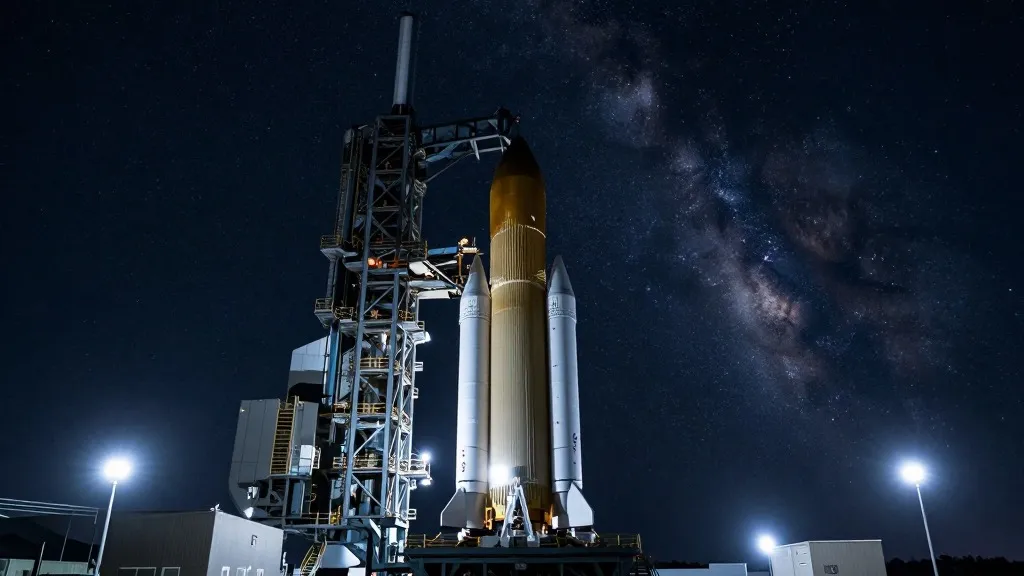
New math suggests 22 rocket flights needed for Moon landing
A new internal estimate indicates that NASA will require significantly more Starship launches than previously hoped to fuel lunar missions this decade.
By Ahmed Mansour ·
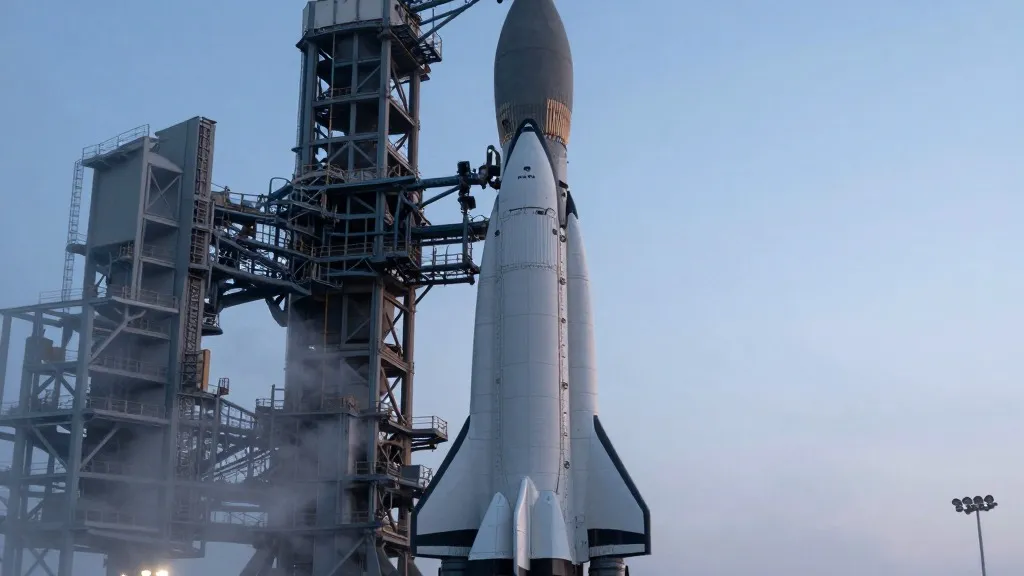
For residents watching the future of space travel, the timeline for returning humans to the Moon just got more complex. A new internal estimate suggests that NASA will need 22 separate Starship launches to support a single lunar landing. This figure is substantially higher than previous projections, potentially stretching the schedule for the Artemis program.
NASA has historically treated this specific metric with extreme caution, almost like a state secret. The agency has long been reluctant to pin down the exact number of flights required to fill a lunar lander with fuel in low-Earth orbit. This fuel is necessary for the vehicle to travel to the Moon, land, and then return to lunar orbit. The secrecy has led to years of ambiguity regarding the logistical demands of the mission.
In 2023, Lisa Watson-Morgan, who served as the director of NASA’s Human Landing System at the time, expressed hesitation about sharing precise figures. She noted that while the agency had a general idea, she was reluctant to state the exact count. She later characterized the requirement as being in the "high single digits to the low double digits." That range implied roughly a dozen launches. Under that scenario, SpaceX would fly one "depot" Starship to orbit and then send 11 "tanker" Starships to load it with liquid oxygen and methane.
Other officials have previously cited estimates in the "high teens." The overarching hope was that SpaceX would significantly boost the lift capacity of the Starship rocket. Such improvements would reduce the number of tanker flights required. However, some NASA officials are now worried that these efficiency gains are not materializing quickly enough. There is growing concern that Starship may not play a meaningful role in this decade’s lunar return efforts if the launch count remains high.
The new figure emerged during a quarterly meeting of the NASA Aerospace Safety Advisory Panel on Thursday. Charlie Precourt, a former NASA astronaut and panel member, discussed the risks associated with the Artemis program. His presentation highlighted the logistical challenges of landing humans on the Moon. The revelation of the 22-launch estimate underscores the heavy lifting required to make the mission viable.
This update signals a shift in how NASA is viewing its partner’s capabilities. While the agency does not want nuclear weapons, it clearly wants to protect its operational data. The guard over this number reflects the high stakes involved in the Artemis goals. As the program moves forward, the focus will likely shift to how many of these 22 launches can actually be completed within the current decade.
The coming months will be critical for confirming these logistical plans. NASA and SpaceX must now align on the final numbers to ensure the lunar lander is adequately fueled. Until then, the public will continue to track the progress of these heavy-lift vehicles. The path to the Moon is proving to be a long and detailed journey of calculation and coordination.
Source: Ars Technica