World Aquatics shifts two World Cup events from Canada over Russia and Belarus policy
The international governing body for aquatic sports has relocated diving and artistic swimming competitions from Montreal due to federal restrictions on non-neutral athletes from Russia and Belarus.
By Lorenzo Evans ·
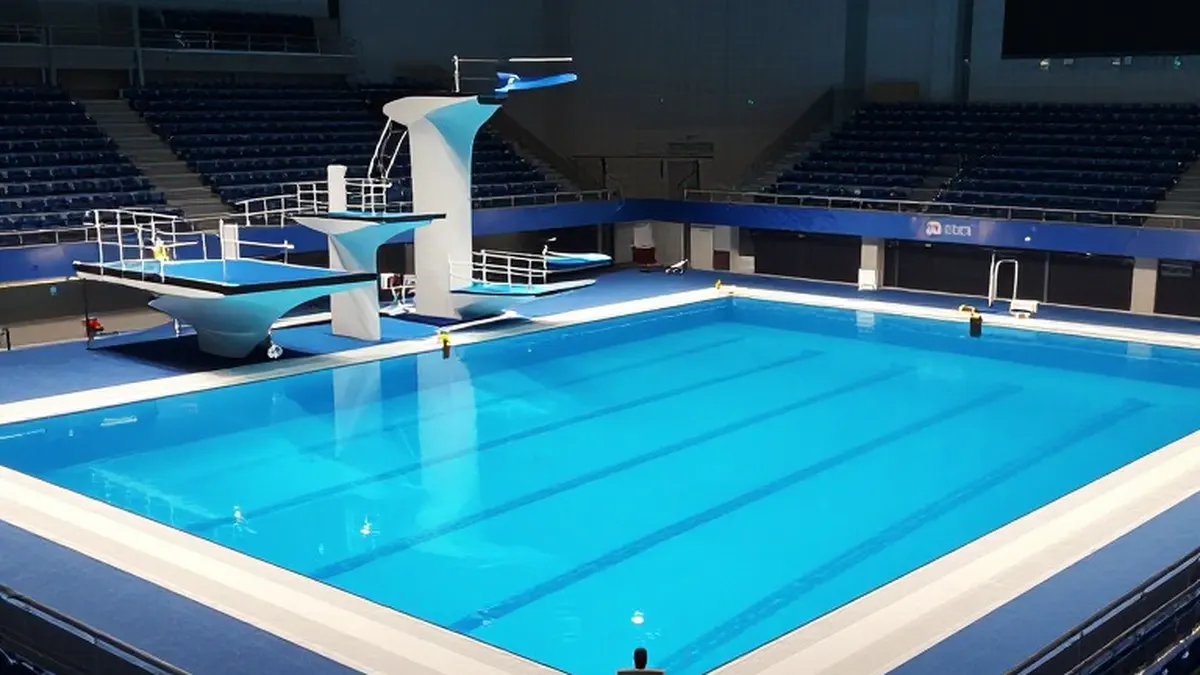
World Aquatics has announced that two major World Cup events originally scheduled for Montreal in early 2027 will no longer be held in Canada. The decision follows the federal government's recent clarification that athletes from Russia and Belarus are permitted to enter the country only if they compete as neutral competitors.
In a statement released on Saturday, the world governing body for aquatic sports confirmed that the opening stop of the diving World Cup, planned for February 2027, has been moved to Mexico. Additionally, the artistic swimming World Cup event scheduled for April 2027 has been removed from the competition calendar pending the selection of a new host city.
The organization cited recent statements from the Canadian government as the primary driver for this logistical change. The statement noted that these official communications made it clear that athletes from the two nations would be denied entry to scheduled competitions unless they met the specific conditions for neutral competition.
World Aquatics emphasized its commitment to maintaining international competitions that are inclusive and free from political intervention. The body acknowledged the constructive engagement from Aquatics Canada and its member federations during the decision-making process. It also expressed appreciation for the longstanding hosting relationship with Canada and indicated a desire to return for future events.
Diving Plongeon Canada, the national governing body for the sport, responded to the announcement with a statement expressing disappointment. The organization acknowledged that the decision was beyond its control but recognized the significant impact on its athletes, partners, and the broader Canadian diving community.
DPC noted that Canada has hosted these top-tier diving events since 2014. The group stated that while they recognize the federal government's position on the participation of Russian and Belarusian athletes and officials, the change brings great disappointment to those who were looking forward to welcoming the world's best divers to the country.
The controversy stems from comments made by Prime Minister Mark Carney earlier this month. He stated that as long as the war in Ukraine continues, athletes from Russia and Belarus will not be permitted to represent their countries in Canada. This stance was articulated in the context of the upcoming world junior hockey championships in Edmonton and Red Deer, Alberta.
Prime Minister Carney specified that while Russian and Belarusian athletes are supporting what he described as an illegal and unjustified war, they would be barred from competing for their home nations in Canadian events. This policy has created a broader ripple effect across international sports, influencing how global governing bodies structure their schedules in Canada.
The shift in these aquatic events highlights the growing tension between international sporting bodies and host nations regarding geopolitical conflicts. While World Aquatics aims to keep its competitions accessible and politically neutral, the specific entry requirements set by the Canadian government have necessitated a reevaluation of the 2027 calendar.
As the diving World Cup moves to Mexico and the artistic swimming event seeks a new host, stakeholders in Canada continue to assess the long-term implications of the federal stance. The decision underscores the complex balance between national policy and the global nature of international sport.