Pentagon Criticizes Canada Over F-35 Review and Defense Spending
U.S. Defense Secretary Pete Hegseth’s administration argues Ottawa has failed to modernize forces and is delaying budget increases until after the 2029 elections.
By Lorenzo Evans ·
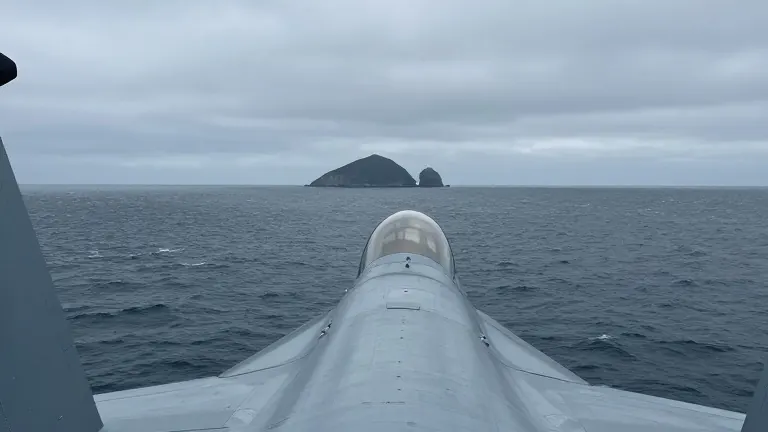
The U.S. Department of Defense issued a sharp rebuke to Canada on Monday, stating that the northern neighbor is not meeting expectations as a defense partner for North America. The criticism centers on Ottawa’s current military spending levels and its decision to re-evaluate the purchase of 88 American-made F-35 fighter jets.
In an unusually forceful briefing, the Pentagon claimed Canada has not made the difficult decisions required to modernize its armed forces. The statement asserted that Canada must take the situation seriously and focus on closing its defense deficit. Simon Lafortune, a spokesperson for the Canadian defense minister, responded by noting that Canada has committed 81.8 billion Canadian dollars to rebuild its forces over five years.
Lafortune added that Canada reached the NATO target of spending 2 percent of GDP on defense five years earlier than planned. The government is also moving toward a new NATO commitment to invest 5 percent of GDP in defense by 2035. However, the Pentagon argues that Ottawa lacks a credible, fully funded plan for this goal and is postponing major spending increases until after the federal elections in 2029.
Canada’s latest budget projects combined defense and security spending at 4.1 percent of GDP for 2027 and 2028. Only 2.6 percent of GDP is allocated for core defense costs. The Pentagon also pointed to operational readiness rates, stating that 41.9 percent of the Canadian Air Force fleet and 53.9 percent of the naval fleet were operational in 2025 and 2026, while army readiness stood at 48 percent.
The dispute follows a classified directive from Secretary of Defense Pete Hegseth. Republican Senator Mike Rounds said the order restricts U.S. military officials from attending events at Canadian think tanks and social functions. This move comes after Defense Policy Chief Elbridge Colby paused a joint U.S.-Canada defense advisory board in May, which had been in place since 1940.
Canadian Prime Minister Mark Carney initiated the review of the F-35 purchase while U.S. President Donald Trump threatened Canadian sovereignty and imposed tariffs. Carney has considered the Swedish-made Gripen aircraft, which could create local manufacturing jobs. He acknowledged enlistment issues, noting that only one of Canada’s four submarines is currently seaworthy. His government plans to buy up to 12 replacement submarines.
Wesley Wark, a Canadian national security expert, described the U.S. criticism as insulting and exasperating. He suggested Washington is downplaying Canada’s NATO deployment in Latvia and its support for Ukraine. Other NATO allies also remain below the new 5 percent spending target, though Colby recently praised Germany’s military buildup as a tectonic shift and called Poland a true model ally.
The Trump administration previously barred Pentagon officials from attending the Halifax International Security Forum. Peter Van Praagh, the forum’s president, warned before the November 3 mid-term elections that Trump might try to undermine Republican losses. Speaking at the Halifax forum on Saturday, Senator Rounds dismissed the idea that the Hegseth directive would impact joint military operations or intelligence sharing between the two countries.