Washington advises Gulf allies to brace for Iran strike after US midterms
The Pentagon reports the war has cost $47.1 billion, while Israeli leader Benjamin Netanyahu seeks re-election with 53 seats.
By Evelyn Adeyemi ·
The United States has alerted several Gulf Arab nations to prepare for a short and intense military offensive against Iran following the American midterm elections on 3 November. The warning was transmitted through diplomatic and military channels, according to a report by The Wall Street Journal. This development suggests the US and Israel are preparing to launch another round of attacks to weaken Tehran and compel it into negotiations.
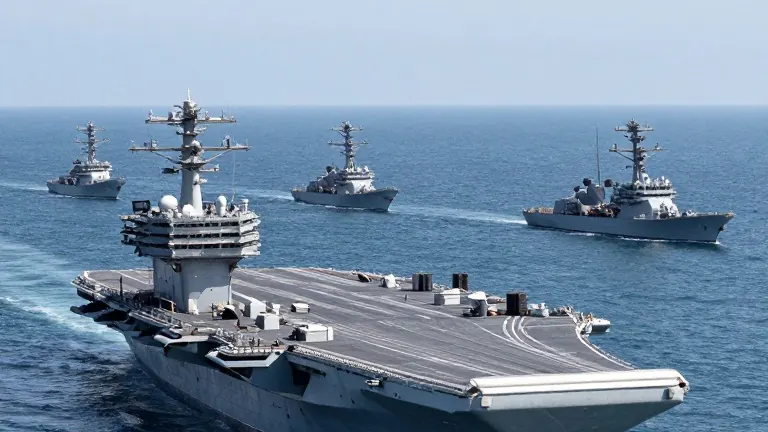
US military forces are restocking munitions in the region, with bomber aircraft and jet fighters preparing for potential attacks. A Patriot missile defense system, which includes radar equipment, launchers, and interceptor missiles, is being moved from Texas to Israel. An aircraft carrier strike group and a Marine expeditionary unit are expected to join approximately 20 other warships operating in the Middle East next month.
The Pentagon informed Congress that the US-Israeli war on Iran, now in its eighth month, has cost the United States $47.1 billion through 16 October. This figure represents an increase from the $37.5 billion previously cited by US Secretary of War Pete Hegseth. Bombs, missiles, and other ammunition account for more than 60 percent of the total expenditure. US troops and diplomats have also begun evacuating posts in the region, with the State Department ordering a further reduction in staff at diplomatic locations.
President Donald Trump has not made a final decision on the timing of a new major attack, though he is inclined to target Iranian infrastructure and nuclear sites. He has stated he would not attack Iran before the midterm elections. At a rally in Florida last week, Trump referenced the US military's term for the conflict, saying, "We may do another little Epic Fury."
Mediation efforts have stalled as Iran rejected a draft agreement from Qatar on Sunday. A senior Iranian official told Reuters that Qatar presented "unacceptable" ideas rather than a formal proposal, and that Tehran would show no flexibility on the nuclear issue. Iranian Foreign Minister Abbas Araghchi warned of a devastating economic impact from any new attack. "Devastating impact on int'l markets of any Israel-instigated military misadventure in Persian Gulf region remains major concern for both gas suppliers and consumers," Araghchi wrote on X.
Israeli Prime Minister Benjamin Netanyahu is touting the prospect of new attacks as he seeks re-election in Israel's parliamentary elections. With 85 percent of votes counted, Netanyahu's bloc fell to 53 seats out of a total of 120 seats. On Wednesday, as negotiations began on forming a new government, Netanyahu announced he would work with Trump to eliminate the "existential threat" posed by Iran. His main rival, Gadi Eisenkot, has also supported strikes on Iran alongside economic pressure.
Source: Middle East Eye