US Cuts Middle East Staff Amid Iranian Threats
A memo from the Director of National Intelligence warns that lethal plots against American personnel have reached advanced stages, prompting a withdrawal of non-essential diplomatic staff.
By Evelyn Adeyemi ·
For the non-essential American staff currently stationed in the Middle East, the period of routine work has ended. The United States is actively reducing its diplomatic footprint across the region, a move driven by intelligence indicating that Tehran is preparing specific attacks on US personnel.
The shift follows a memo from Jay Clayton, the Director of National Intelligence, to Secretary of State Marco Rubio. According to reports from Axios and The New York Times, Clayton stated that US agencies have gathered evidence that Iran has substantially increased its efforts to target Americans overseas. The intelligence suggests that lethal plots are now in advanced stages in the Middle East and other countries.
Washington has not issued a public statement on the memo, although one official confirmed its authenticity to The Times. Another official tempered the urgency by noting that Iran may lack the capacity to execute every planned attack. However, officials told The Times that threats to US citizens in the region are at their highest level since the US-Israel war on Iran began on February 28.
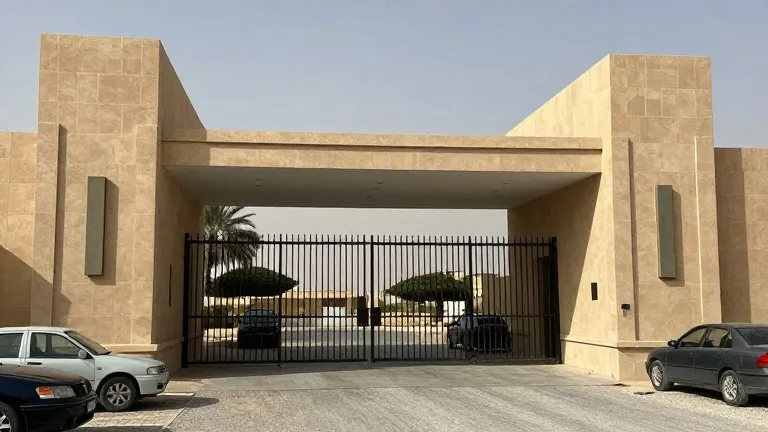
The State Department announced on Wednesday that it is removing non-essential staff from its embassy in Saudi Arabia. This decision cites escalating attacks on Saudi infrastructure by the Iran-backed Houthis in Yemen. CNN reports that similar quiet reductions are occurring at embassies in the United Arab Emirates, Bahrain, Kuwait, Qatar, Jordan, and Lebanon. One US official attributed these decisions to both Houthi attacks and Iranian terror plots targeting US officials.
The military stakes are high. The Pentagon has confirmed that 21 US military personnel have been killed in the Middle East since the war began. On Wednesday, Hossein Mohebbi, the spokesman for the Revolutionary Guard, declared that Tehran would adopt an offensive strategy if the US resumed attacks. He added that the quality and range of Iranian missiles have improved.
Reuters cited two senior Iranian security officials who said Tehran has detailed plans to target undersea communications cables in the Gulf if new US-Israeli attacks occur. Mohsen Rezaei, Iran's security chief, warned that cables, data centers, and artificial intelligence facilities across the region could also be hit. This month, US authorities pulled bombers from an airbase in England after a security incident led to the arrest of several men suspected of working with Iranian intelligence.
In March, a US court convicted a Pakistani national of plotting to assassinate President Donald Trump on the orders of the Revolutionary Guard. In 2022, a Guard member was charged with arranging the killing of former national security adviser John Bolton. Trump said on Friday that the US may launch another operation, using the codename for the current war.
Source: Al Jazeera