US aid to Israel faces new political tests
New congressional majorities and an expiring agreement force a shift from financial assistance to strategic partnership.
By Evelyn Adeyemi ·
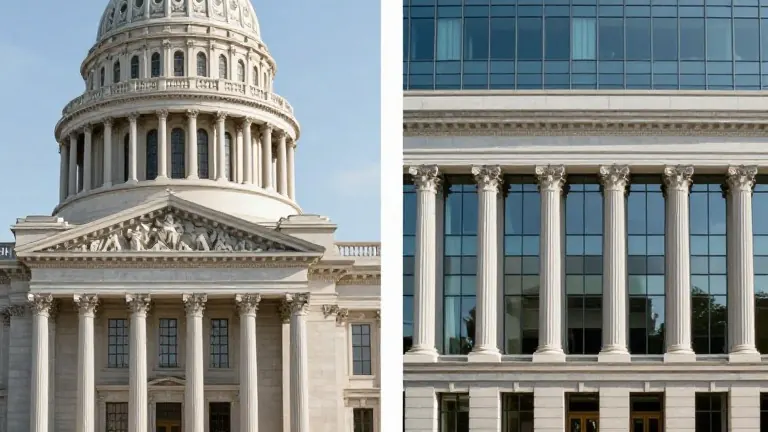
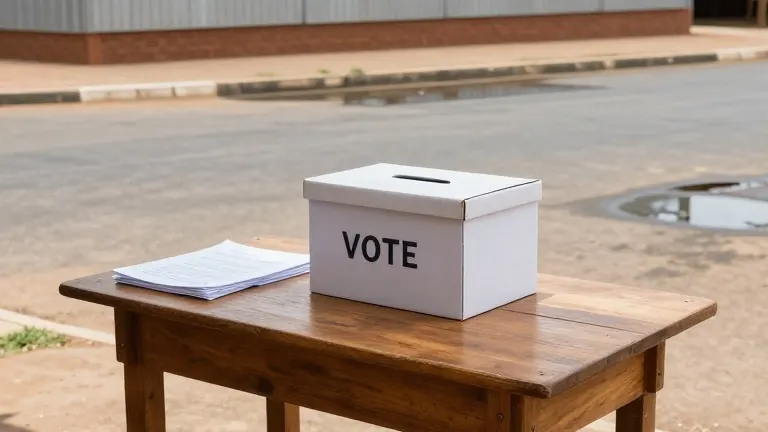
Voters in Israel and the United States cast ballots within the same week, creating a synchronized political shift that will reshape the bilateral relationship. Israelis chose a new Knesset, while Americans elected members of Congress. The outcome determines how Washington treats Jerusalem in the coming years. The changes affect daily diplomatic operations and long-term security planning.
The current memorandum of understanding grants Israel approximately $3.8 billion in military aid annually for a decade. This agreement expires in 2028. Negotiations for a successor document are already active. The next Israeli government must finalize the new terms. The goal is to transition from a donor-recipient model to a partnership of equals. This shift aims to include joint research and development, technology co-production, and academic cooperation.
Democratic control of Congress introduces a new layer of scrutiny. In July, 103 House Democrats voted for an amendment to cut $3.3 billion in annual aid. Although this measure did not become law, it signals growing pressure. A House majority controls appropriations committees. They can attach conditions to aid, demand reporting, and force frequent votes on security issues. This process may turn aid debates into routine legislative business ahead of the 2028 presidential elections.
Public opinion in the two countries now points in different directions. Israeli voters have moved rightward, a trend accelerated by the events of October 7, 2023. An overwhelming majority of Jewish Israelis supported the war with Iran. In the United States, only a minority supports what is often called a war of choice. This divergence creates friction. The gap is widest between the Israeli public and Democratic-leaning American voters. A new Israeli government will face constraints from its rightward shift and its coalition partners.
President Donald Trump is likely to focus on his international legacy during this midterm period. He may push for a comprehensive arrangement with Iran or accelerate plans for the Gaza Strip. These initiatives will impact Israel directly. The relationship offers both opportunities and threats. Israel can align with a strategic vision for a new Middle East architecture. However, it may also face pressure to accept political compromises on a Washington timeline.
Dr. Michal Hatuel-Radoshitzky, a senior advisor at MIND Israel, notes that the relationship must adapt to changing norms. She argues that the US benefits economically and strategically from the alliance. Both sides need direct dialogue to bridge expectation gaps. The aim is a partnership based on shared strength rather than dependence.