Homes of October 7 rescuer’s relatives demolished in Bedouin village
Demolitions affecting the family of decorated rescue driver Youssef Ziadna have drawn attention to unresolved housing and land disputes in Israel’s Negev.
By Lorenzo Evans ·
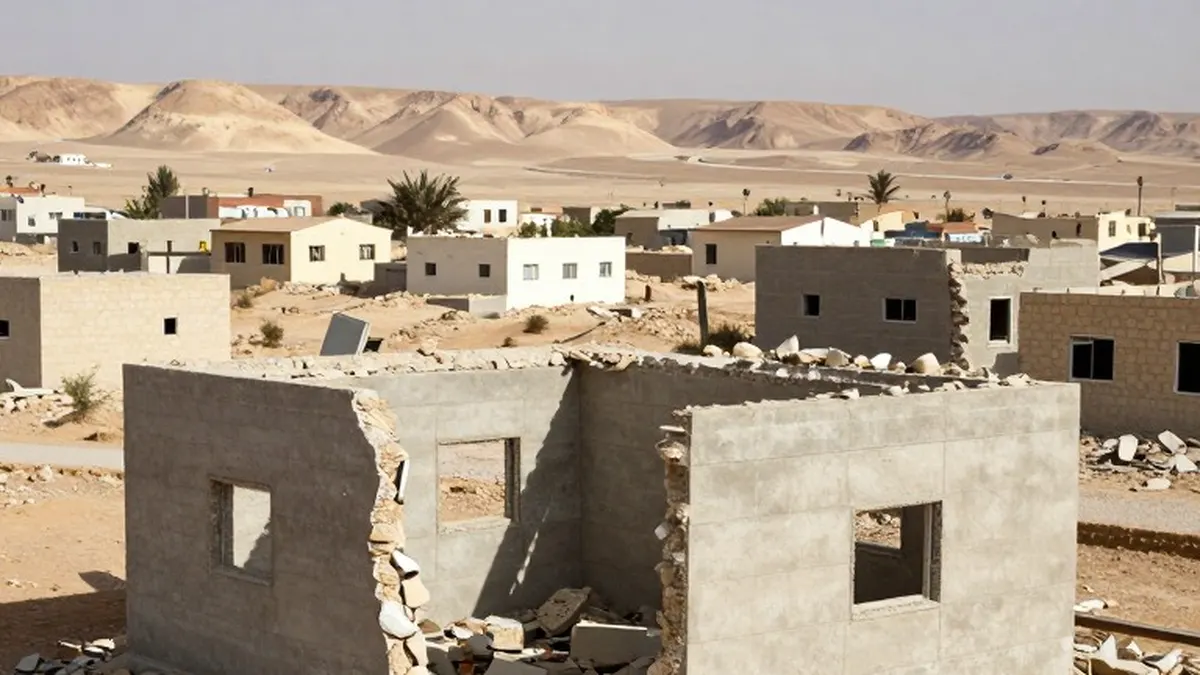
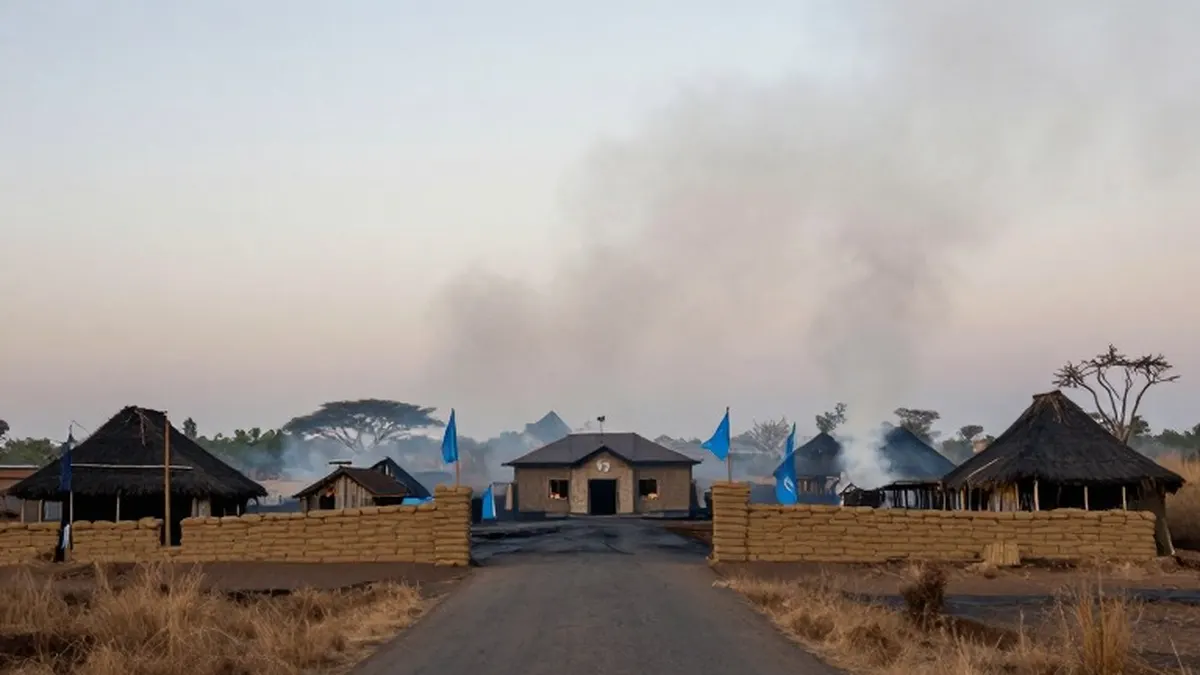
Israeli authorities have demolished homes belonging to relatives of Youssef Ziadna, the Bedouin driver who saved 30 Israelis from the Hamas attack on the Nova music festival three years ago. Dozens of other buildings face demolition orders in al-Ziadna, an unrecognized village of about 5,000 people near Rahat in southern Israel.
President Isaac Herzog awarded Ziadna Israel’s highest civilian honor for bravery, and he was chosen to light a torch at the country’s 2024 Independence Day ceremony. Ziadna told the Jewish Telegraphic Agency that the campaign against unauthorized construction had undermined the meaning of those honors. Members of his extended family affected by demolitions also lost relatives in the October 7 attack and subsequent captivity in Gaza.
On November 8, authorities posted eviction notices on five additional homes, including that of Aatef al-Ziadna, whose son Abed al-Rahman was killed by Hamas at Zikim beach. A notice obtained by JTA allowed residents 30 days to leave. Ziadna alleged that, in another case, police demolished a relative’s home only a week after posting a notice. Herzog’s office confirmed receiving appeals from the family and said it had tried to help within the law.
During October, about 65 homes and other structures in the neighborhood faced demolition orders. One cousin dismantled a house intended for his son, who had married two weeks earlier. Ziadna said a displaced family was sharing one room in a relative’s home. He also dismantled a warehouse on his own property to avoid the fines associated with demolition by authorities. His house is not currently subject to an order.
An estimated 90,000 Bedouins live in unrecognized villages throughout the Negev, often without dependable water, electricity, roads or sewage systems. Many communities existed before Israel’s establishment in 1948, while newer construction has also proceeded without planning permission. Disputes over land ownership and administrative obstacles have complicated efforts to authorize housing. Courts have upheld demolition orders in al-Ziadna even as legalization efforts continued.
A government-approved plan from 2021 would incorporate al-Ziadna into Rahat and provide approximately 1,900 housing units alongside infrastructure and other facilities. The Bedouin Settlement Authority told JTA that no residential plots had yet been allocated. It attributed delays partly to residents obstructing surveyors and other preparatory work, without identifying specific incidents. Rahat Mayor Talal al-Krenawi cited unresolved ownership claims and said he knew of no such obstruction, while noting that his municipality did not manage that work.
The authority confirmed that buildings facing demolition lie inside the approved plan’s boundaries but characterized them as new, unauthorized construction. The enforcement campaign has intensified under Prime Minister Benjamin Netanyahu’s government, with support from outgoing National Security Minister Itamar Ben-Gvir. Figures his ministry presented to the Knesset showed approximately 14,280 unauthorized structures demolished in the Negev between 2023 and 2025, an increase of 81% over the preceding three years.
Anger over demolitions also contributed to increased participation in the October 27 parliamentary election. Turnout in Rahat rose from 60% in 2022 to 85%. The Arab party Ra’am received approximately 85% of the city’s votes, helping it secure eight Knesset seats. Al-Krenawi told JTA that residents who had previously abstained voted to change government policy.
Marwan Abu Frieh, a lawyer with the rights group Adalah, said housing proposals often require families with agricultural livelihoods to relocate to dense urban neighborhoods. He argued that recognition and planning take years and that demolition should not proceed while residents lack alternatives. Ziadna said his family would not exchange its rural life for apartment blocks and called for infrastructure and dialogue.