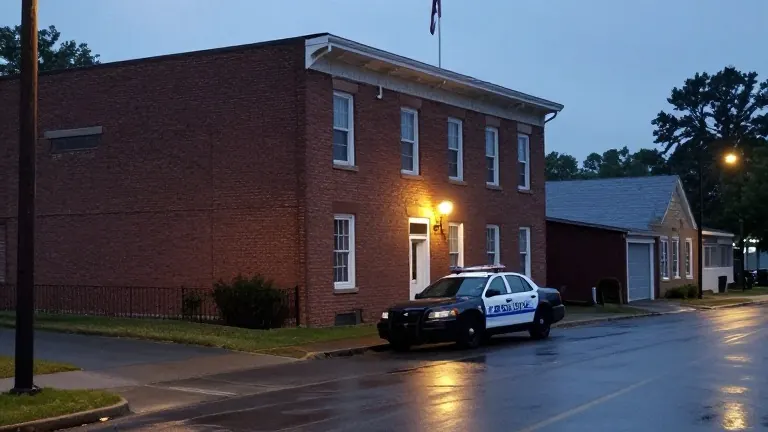
Ohio Deer Population Reaches 800,000, Driving Up Winter Crash Rates
Biologists link the surge to habitat changes and predator loss, while localities test archery and sterilization to control the numbers.
By Evelyn Adeyemi ·
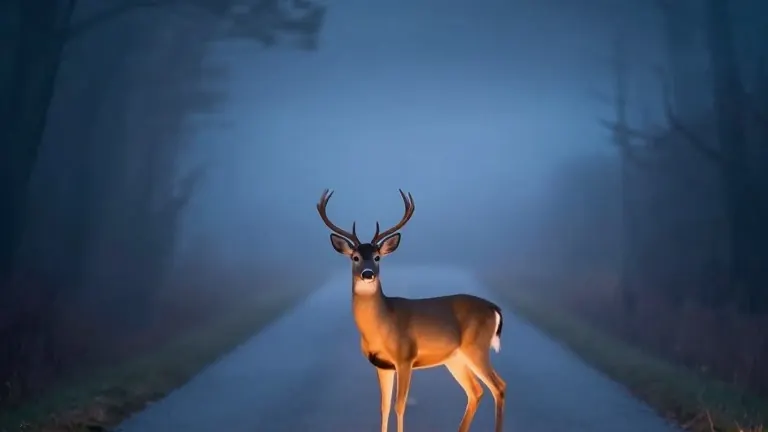
David Gorchov recalls hitting a deer when he first learned to drive.
The biologist at Miami University described the impact as traumatic and said it made him a more careful driver. His personal experience mirrors a statewide trend. Since 2021, nearly 117,000 Ohio drivers have collided with the state's largest herbivore, according to the Ohio State Patrol's crash dashboard.
Nearly half of those crashes occur between October and December. The drop in daylight hours during fall increases the likelihood of collisions. Gorchov explained that male deer are highly active during this period because they are searching for receptive females. This breeding behavior drives more movement onto roads.
Wildlife officials estimate the current deer population in Ohio at 800,000. The numbers have swelled since the early 20th century, when hunting and deforestation nearly wiped the species out. The extermination of natural predators, specifically mountain lions and wolves, allowed the herd to thrive. European settlement also altered the landscape, replacing large areas of mature forest with patches of young forest, farms, and suburban gardens. Gorchov noted that this fragmentation provides more food opportunities for white-tailed deer than existed before settlement.
The surplus of deer affects more than just vehicle insurance claims. Gorchov argued that the animals' high consumption rates are impacting plant life across the state. The loss of tree seedlings is a particular concern. If seedlings do not survive, there will not be enough large trees to replace old ones that fall in storms or die from other causes. Gorchov stated that without managing the deer population, the next generation of trees will not form. Higher density populations also lead to greater disease transmission and food stress, leaving animals poorly nourished.
Communities across Ohio are testing different management strategies. Some use teams of sharpshooters, while others sterilize female deer. Miami University Natural Areas implemented an archery-based program. Hunters who pass an accuracy test can hunt from selected areas during specific winter times. Gorchov said the program reduced deer density and allowed tree seedling density to recover after four years of management.
Gorchov advised that each community must find a solution that fits its specific needs. For Ohioans driving down wooded roads, his advice is to stay alert.