Iran Singer's Flogging Signals Warning to Dissidents, Insiders Say
The punishment of Parastoo Ahmadi and four production team members reflects concerns over dissent and pressure from hardliners, Iranian establishment sources say.
By Khalid Khalil ·
Iran's decision to flog singer Parastoo Ahmadi and four members of her production team was intended to intimidate potential dissidents and reassure hardline supporters, according to Iranian officials and establishment insiders. The punishment comes as the country's clerical leadership faces economic damage from war and concerns about renewed public protests.
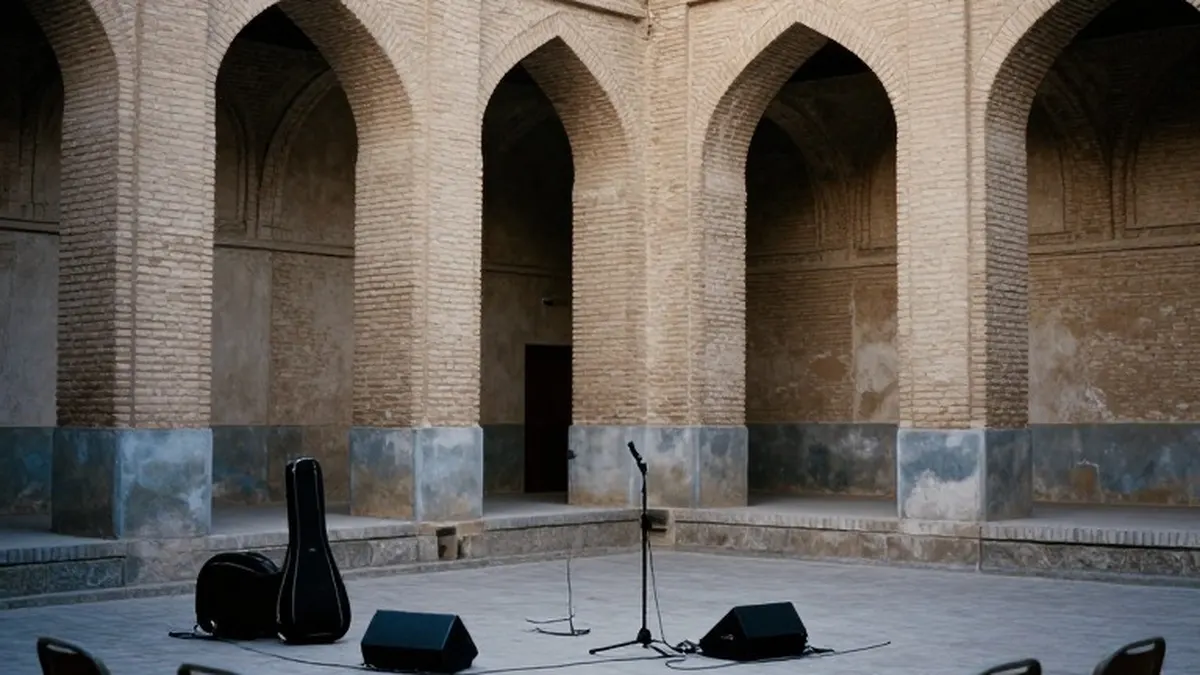
Ahmadi, 29, and her colleagues each received 74 lashes on Monday for a livestreamed concert at a caravanserai near Qom, a holy city for Shi'ite Muslims. She performed with bare shoulders, without a headscarf and alongside male musicians, violating Iran's theocratic legal code. Footage appeared online two years before the punishment, a delay the sources cited as evidence of a political decision.
Three officials and two other establishment insiders spoke anonymously to Reuters about the case. They described a leadership seeking to enforce obedience nine months into a war and nearly a year after nationwide protests. Iran's government maintains that the judiciary operates independently and that punishments of this kind are unrelated to politics.
The decision exposed disagreements within the ruling hierarchy, according to one source. Hardliners supported it, while more moderate officials feared it would deepen divisions and provoke public anger. Two officials said the approaching anniversary of last winter's protests had increased concern that economic hardship, aggravated by the war, could trigger further demonstrations against the government.
Three sources also reported mounting frustration among hardliners over weak enforcement of clothing restrictions. Since the 1979 revolution, women have been required to cover their hair and wear long, loose coats over their clothes. Those requirements have frequently been disregarded since the mass protests of 2022, which followed the death in custody of a woman detained for violating them.
President Masoud Pezeshkian has warned against using force to address social and cultural issues, but hardline politicians have pressed for stronger action. Since the United States and Israel attacked Iran on February 28, hardliners have mobilized supporters for street rallies and other events intended to demonstrate unity behind the ruling system and limit opportunities for dissent. Sources said that role had increased pressure to accommodate their demands on public morality.
Two insiders suggested that targeting Ahmadi and her team could satisfy those supporters while avoiding the backlash a nationwide campaign against women might provoke. Conservative politician Gholamali Haddadadel, the father-in-law of Supreme Leader Mojtaba Khamenei, said on September 9 that wartime circumstances were constraining enforcement of dress requirements.
Saba Robatjazy, a London-based Iranian singer who performs as Emma and has known Ahmadi since childhood, interpreted the flogging as an attempt to spread fear. She said she believed the performers understood the risks of livestreaming the concert, but that their punishment was generating greater public anger. Robatjazy had not contacted Ahmadi for months amid communication difficulties. Their condition and whereabouts following the flogging were unknown.
Skylar Thompson, deputy director of the US-based Human Rights Activists News Agency, described the punishment as part of a wider effort to control women's public expression and everyday lives. One Iranian official said hardliners viewed accepting open defiance of compulsory veiling as conceding that resistance had forced a retreat from a founding ideological principle.