Kadouh family finds home gutted after Israeli withdrawal in Lebanon
The Kadouh house in Zawtar al-Gharkbiyeh was occupied, shot, and burned during the first test of a U.S.-brokered pullback.
By Khalid Khalil ·
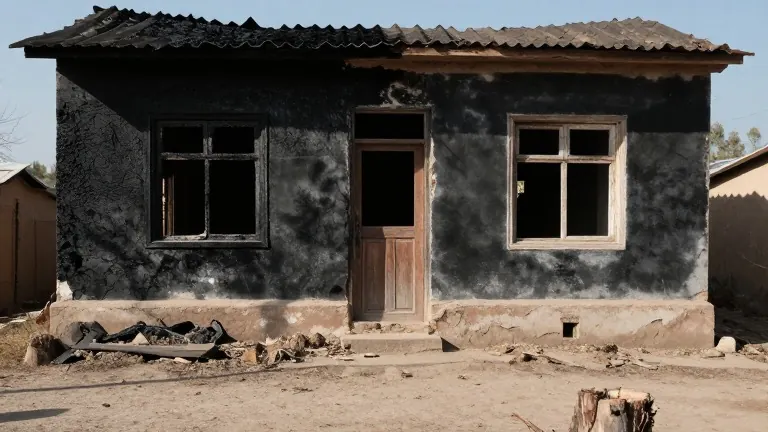
Atef Kadouh returned to his hometown in southern Lebanon in July to find his family home occupied by soldiers, bullet-riddled, and set on fire. The destruction marks the first test of a U.S.-brokered plan for Israeli forces to withdraw and the Lebanese army to take over security responsibilities in the region.
Kadouh and his wife, Soumaya Yaghi, built the house after he spent 20 years installing air conditioning systems in Saudi Arabia. They lived there for four decades and raised five children in the structure. Their youngest son, Adel, is no longer among them. He was 27 years old, a sports teacher, and a basketball champion. He was killed on March 28 in a drone strike while working as a volunteer ambulance driver.
The strike occurred while five medics were burying a 75-year-old man who had died in a hospital. The Israeli military stated that militants often pose as paramedics and transport weapons in ambulances for Hezbollah and its allies. It did not provide proof for this specific claim. It also did not respond to questions about why the group was killed during a burial rather than in a vehicle.
Lebanon's Health Ministry reports that more than 135 first responders and medical staff have been killed in the past two years. Kadouh says he warned his son that medical personnel were at risk. His son insisted they had to rescue wounded children. The family now keeps a photo of Adel in a basket of dried flowers near the front door.
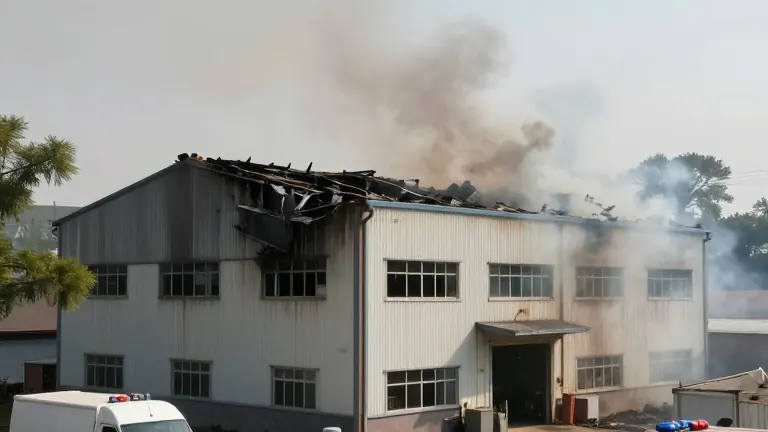
When the Kadouh family finally entered the house, they found Hebrew writing in blue marker on the upstairs hallway wall. The names of Israeli soldiers were listed next to what appeared to be a work roster. The appliances, including the refrigerator and washing machine, had bullet holes. Furniture was pushed off the second-floor balcony and smashed on the ground below. Burned food packets and rotting sandwiches lay on the floor of the kitchen.
The fire appears to have been set as the soldiers left. The solar panels were destroyed, leaving the house without electricity or running water. A spent missile propulsion unit with English markings was found in one of the rooms. The Lebanese army told the family that it dismantled explosives rigged in the house before reentering the village. The Israeli army said its policy bars burning homes or leaving explosives but did not explain the damage in this specific case.
The damage extended beyond the structure. Yaghi says soldiers used a bulldozer to uproot pine trees, olive trees, and other crops. The family's tractor and garage were demolished. Kadouh described the loss of the trees as the deepest cut. He said he tended them like small children. The family had relied on pine nuts and other produce from their land for their livelihood.
Kadouh said the family felt abandoned by the Lebanese state. He noted that no officials or political parties visited to check on them after their return. The house remains without basic utilities. He said the Lebanese army is deliberately underequipped to avoid threatening Israel, which leaves a security vacuum that groups like Hezbollah fill.
Smoke is still rising from a nearby village where Israeli attacks continue despite the ceasefire. The Kadouh family says they will remain in the home. Yaghi points to rose bushes that have begun to bloom again. She says their life is tied to the land. Kadouh says he will not make peace with Israeli Prime Minister Benjamin Netanyahu. He asks that Netanyahu bring back his son. The family plans to start over from scratch.