EU leaves Antalya summit after draft text omits fossil fuel exit
Negotiators from nearly 200 nations failed to agree on language regarding the transition away from coal, oil, and gas before the deadline.
By Lorenzo Evans ·

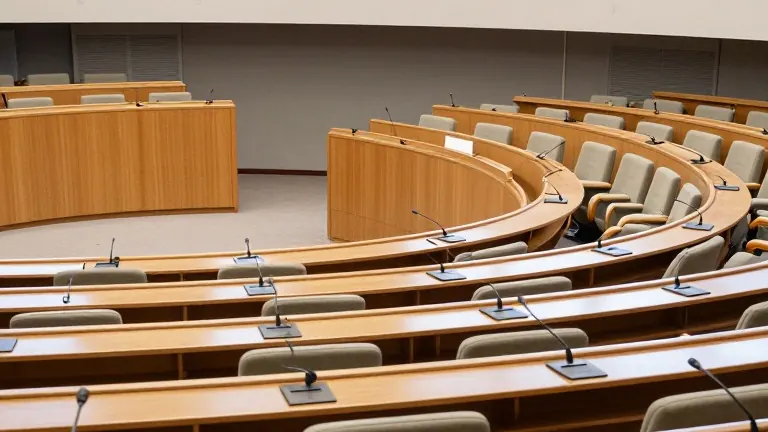
European Union delegates exited the negotiation hall in Antalya, Turkey, on Sunday, leaving a draft climate agreement that contained no explicit reference to moving away from fossil fuels. The departure ended a week of talks involving nearly 200 countries in a deadlock over the primary drivers of global warming.
The final text failed to specify a timeline or method for reducing the use of coal, natural gas, and oil. These energy sources account for approximately 73% of global emissions. The EU voted against the document because it left out the mechanism for the energy transition.
Wopke Hoekstra, the European climate chief, told reporters that the bloc could not accept a deal silent on the main cause of planetary heating. "That is not acceptable," Hoekstra said. "We do that with a heavy heart with many other countries, but we simply cannot accept this."
Other delegations joined the EU in objecting to the final wording. Panama and several small island states, including the Marshall Islands, raised objections after the European bloc walked out. The group argued that the text did not go far enough to address the immediate risks facing low-lying nations.
This summit marks the first United Nations climate conference held after scientists reached a consensus that the world will exceed the 1.5-degree Celsius warming limit. Nations agreed in 2015 to cap global temperature rise at that level, but the planet has already effectively hit the threshold. Crossing it predicts more intense hurricanes and heat waves.
United Nations data indicates that a best-case scenario of limiting warming to 1.7 or 1.8 degrees Celsius requires cutting emissions by 45% by 2035. Such a reduction would demand a dramatic decrease in fossil fuel consumption. Mohamed Adow of Power Shift Africa stated that the rejected decision was a positive step because the alternative did not offer sufficient protection for vulnerable populations who contributed least to the crisis.
The collapse leaves the international community without a new binding framework for the next phase of climate action. The next scheduled meeting will follow the standard United Nations annual cycle, but delegates must now return to their home governments to negotiate a new stance on energy policy before the next session.