Army Detonates Explosives in Iowa
The U.S. Army invoked emergency powers to blast 68 barrels of lead azide at the Iowa Army Ammunition Plant on Monday despite a recent court block.
By Khalid Khalil ·
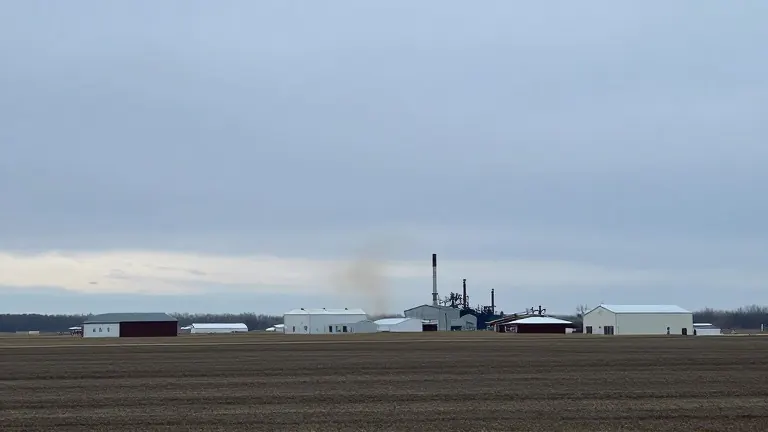
The U.S. Army executed the controlled detonation of 68 barrels of lead azide at the Iowa Army Ammunition Plant on Monday at approximately noon. The operation took place near Middletown, Iowa, and followed the military's invocation of an emergency exclusion to bypass standard Environmental Protection Agency regulatory processes.
The decision to proceed was driven by falling temperatures in the region. A court filing submitted by the Army on Saturday noted that outside temperatures were set to drop below 30 degrees Fahrenheit during the week. The document warned that these colder conditions increase the risk of an uncontrolled explosion because the formed crystals within the material can break more easily when freezing.
The Army stated that the lead azide, which has been stored in water at the site for almost two decades, had recrystallized. This change made the volatile substance vulnerable to inadvertent detonation. The material is typically used to construct blasting caps for explosives but has degraded over time, creating a shock-sensitive hazard.
The detonation represents the latest phase in a months-long effort to dispose of this toxic stockpile. The process faced interruptions before Monday's blast. The Army initially delayed the event from Friday to allow for further public notification. Subsequently, the Iowa Environmental Council and the Sierra Club filed for a temporary injunction, resulting in a court order that blocked the permit the Army had previously obtained.
In its new filing, the Army argued that it no longer required the blocked permit due to its authority to act under emergency provisions. The military cited the 'emergency munitions and explosives exclusion' as the legal basis for proceeding without the standard regulatory approval.
To manage the environmental impact, the Army set up monitoring stations for air, water, and soil in areas potentially affected by the blast. Officials noted that the force of the explosion could throw lead into the air. To mitigate this, crews wetted the ground near the blast site to reduce the amount of lead azide expelled from the area.
State officials in Illinois confirmed they were prepared for the detonation and would monitor the situation. The blast concluded the immediate phase of disposal for the specific stockpile stored at the facility.