Iran cuts Hormuz reopening timeline to two days
Tehran states ships will travel under Iranian supervision if Washington accepts specific conditions, including lifting port blockades.
By Khalid Khalil ·
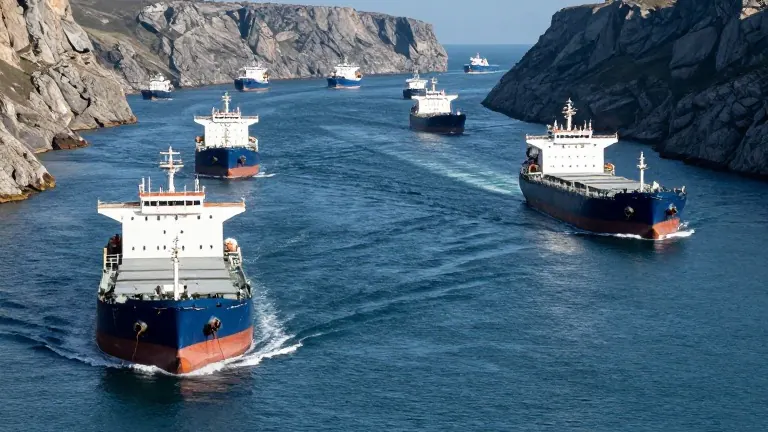
Iran announced on Monday that it has a two-day plan to reopen the Strait of Hormuz and restart nuclear negotiations with the United States. This timeline shortens a previous estimate of seven days for implementation. The move comes as regional leaders brace for potential renewed conflict.
The Iranian Foreign Ministry stated that the two-day schedule applies if Washington meets its demands. Spokesperson Esmail Baghaei said the plan remains the basis for talks through mediators. He described the shortened timeline as a demonstration of Iran's good-faith approach. Baghaei did not specify if Tehran had altered its initial demands or if the U.S. had accepted the proposal.
Iran previously outlined seven conditions for reopening the waterway. These include lifting the U.S. blockade of Iranian ports and removing sanctions on oil sales. Iran also requires an agreement on a route for ships, which would be supervised by Tehran and Oman. A separate condition calls for a ceasefire that includes Lebanon.
President Donald Trump has publicly oscillated between diplomatic engagement and threats of heavy bombing. Iran's top diplomat expressed hope on Sunday that the United States would select diplomacy over other paths. The announcement arrived as the region remained tense despite the stated intent to negotiate.
The United Nations migration agency reported that more than 300,000 people in Yemen have fled renewed fighting. The International Organization for Migration noted that Aden has received over 56,000 displaced people, while Taiz province continues to take in families. Fighting between Iran-backed Houthi rebels and Saudi-backed government forces has broken a four-year truce. Abdusattor Esoev, head of the IOM mission in Yemen, said families are fleeing with little more than the clothes on their backs. He warned that thousands could be left without help without more funding.
China said it will send a special envoy to Iran, Oman, and Saudi Arabia in early to mid-November. Foreign Ministry spokesperson Mao Ning stated the envoy aims to ease tensions and promote regional stability. President Xi Jinping told Oman's Sultan Haitham bin Tariq Al Said on Monday that the Gulf should not become an arena for great-power rivalry. China depends on the region for a large share of its oil imports.
Two men died in Israeli airstrikes in southern Gaza early Monday. Nasser Hospital in Gaza said one strike killed a man in his home and the other killed a man in a tent. The Israeli military did not immediately respond to a request for comment. Since the October 2025 ceasefire began, about 1,580 Palestinians have been killed. Gaza's Health Ministry puts the overall death toll at more than 74,500.
Source: Pioneer Press