Finland Navy Chief: Russian Baltic Presence May Have Peaked
Rear Admiral Tuomas Tiilikainen states that NATO's Baltic Sentry mission is effectively deterring Russian activity, resulting in a stable maritime situation despite ongoing tensions.
By Evelyn Adeyemi ·
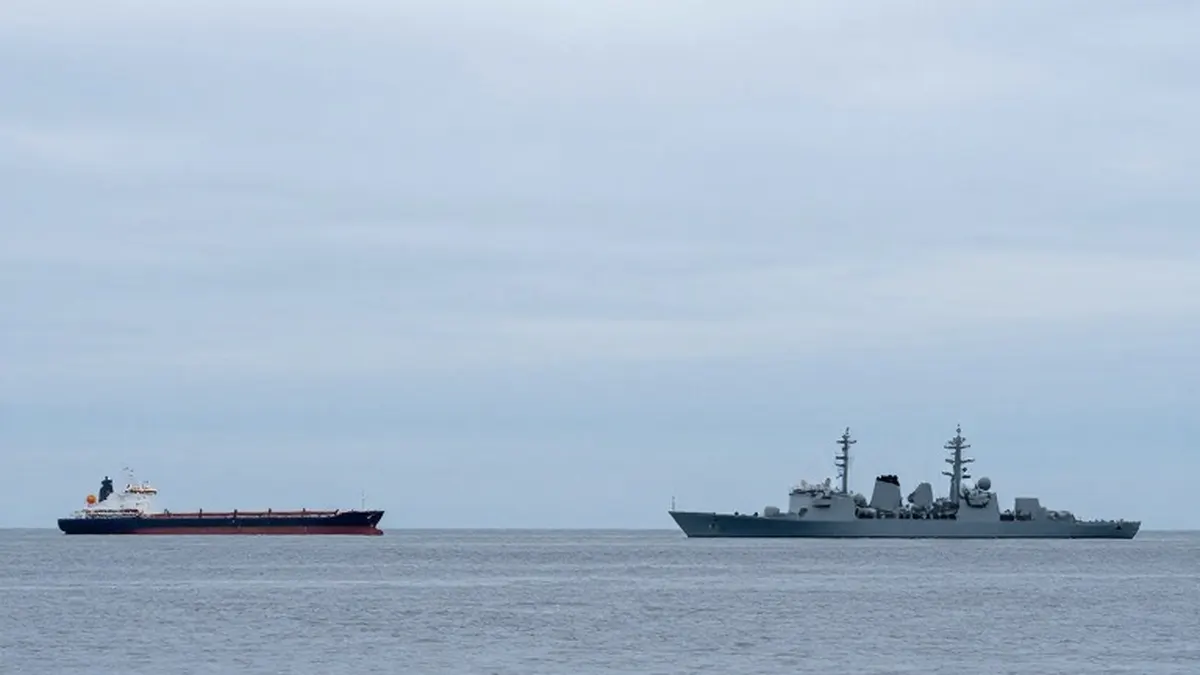
The head of the Finnish navy has suggested that Russia may have reached the maximum limit of its peacetime ability to project force in the Baltic Sea. Rear Admiral Tuomas Tiilikainen described the current maritime situation as tense but stable, indicating that there is no immediate requirement for further escalation. He made these remarks during an interview with Sky News while a team of US Marines was briefly participating in a joint NATO operation.
The NATO mission, known as Baltic Sentry, is designed to detect and deter hostile Russian activity in the region. A primary focus of this effort is monitoring sanctioned vessels associated with Russia's shadow fleet. These ships have been involved in attempts to damage or spy on critical underwater infrastructure, including data cables and power lines. Admiral Tiilikainen noted that both sides are closely monitoring each other's activities to maintain a vigilant posture.
Speaking outside his naval base in Turku, a city located on Finland's southwest coast, the naval chief offered two explanations for the current stability. He suggested that Russia sees no immediate need to increase its regional presence or readiness levels. Alternatively, Moscow may have simply exhausted its peacetime capabilities in the Baltic area. He emphasized the importance of de-escalation at this stage.
The Baltic Sentry maritime mission was established in January of last year. It was created to enhance surveillance from ships and aircraft following a series of suspected sabotage acts against undersea cables and power lines. Elements of the Russian shadow fleet have been the primary suspects in these incidents. A Finnish court recently convicted a cargo ship captain and another crew member of sabotage after their vessel damaged two telecommunications cables linking Finland and Estonia in December 2025. The captain is reportedly a Russian national.
Admiral Tiilikainen stated that no further attacks have occurred against Finnish undersea infrastructure since that specific incident. Moscow is also suspected of spying on the undersea infrastructure of other NATO allies across Europe, including waters around the United Kingdom. This intelligence gathering aims to identify potential vulnerabilities that could be exploited in the event of a conflict, prompting the alliance to step up its own sea patrols.
A NATO military official indicated that there are typically at least three NATO warships for every Russian military vessel in the Baltic Sea. The current ratio is believed to be approximately four to one in favor of the alliance. Allies have also begun boarding certain shadow fleet vessels, with at least 13 interdictions taking place across Europe this year alone. This assertive approach has forced Russia to increase its naval patrols to protect its own vessels.
According to the NATO official, this increased operational tempo is placing additional strain on Russia's already ageing warships and their crews. The official described the situation as a tax on Russian readiness, noting that constant deployment leads to maintenance and readiness problems. Over the past six months, Russian naval patrolling has started to decline slightly due to these issues.
The Finnish navy commander believes that NATO allies are having a significant effect through their patrols and by highlighting Russian shadow fleet activities. He stated that deterrence has likely worked, demonstrating the alliance's ability to counter these threats. Consequently, there may be no need to escalate the situation further. However, traffic from the shadow fleet of civilian tankers and cargo vessels has remained constant.
Rear Admiral Tiilikainen identified the biggest risk in the Baltic Sea as an accident involving one of these vessels. He pointed to the unprofessional crews and the age of the tankers as major concerns. He warned that a natural catastrophe could occur if an old tanker were to run aground. The Baltic Sea is framed by NATO states, including Finland, Sweden, and the three Baltic nations.
A small group of US Marines has spent the past few weeks on a remote Finnish island called Uto. They are conducting reconnaissance missions as part of the broader Baltic Sentry presence, contributing to the enhanced surveillance efforts in the region.