Army clears Iowa blast site of 68 drums of lead azide
Officials in Middletown confirm no secondary explosions occurred during the Thanksgiving Eve detonation of 4,500kg of volatile explosive.
By Evelyn Adeyemi ·

The U.S. Army completed a controlled detonation of 68 drums of lead azide in Iowa on Wednesday.
The operation took place at an ammunition plant in southeastern Iowa. The base is adjacent to the rural city of Middletown. The mission aimed to destroy deteriorating stockpiles of a sensitive munitions explosive that has been used in military hardware since World War I.
The blast occurred at 10:15 am local time. That was 16:15 GMT. The detonation destroyed approximately 4,500kg, or 10,000lb, of the unstable compound. Major General Eric Shirley, who oversaw the disposal effort, addressed reporters in Middletown after the event. He stated that overhead footage confirmed the removal of all lead azide barrels.
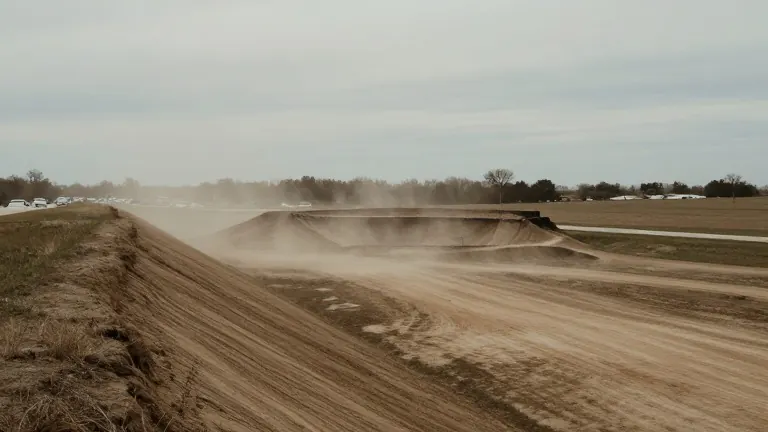
Shirley reported that the site suffered no secondary explosions. He noted there was no kick-out of material and no infrastructure damage in or around the installation. He described the operation as tremendously successful. The Army used earthworks, foam barriers, and gel blocks to absorb shockwaves and toxic fallout. Shirley said the results wildly exceeded their expectations.
Federal monitoring data from the Environmental Protection Agency indicated zero detection of airborne lead particles immediately after the blast. EPA sensors across the region reported no airborne lead. Monitoring continues in the blast zone. The Army Sustainment Command plans to release final maps showing lead-dust dispersion and surface deposition. These maps will detail the affected area.
Local political figures criticized the timing of the blast. Representative Mike Quigley, a Democrat from Illinois, called the scheduling and communication unconscionable. He noted that the Army released 9,500 pounds of unstable material the day before Thanksgiving. Quigley argued that it was unfair to release the explosive on the eve of a major holiday.
Independent expert Scott Smith raised concerns about chemical breakdown products. He noted that lead is a nonbiodegradable neurotoxin. While detonation converts the compound into nitrogen gas and metallic lead, Smith argued that tests must also check for stabilizers and plasticizers. These additives are endocrine disruptors and some are cancer-causing. Smith, who helped test air after the 2023 East Palestine, Ohio derailment, said the EPA must test for these specific breakdown products.
Shirley said the Army reduced the risk to Middletown and extended Iowa communities as close to zero as possible. He expressed confidence in the safety measures taken. The Army will finalize its assessment of the environmental impact. The next step involves publishing the detailed dispersion data.