US Proposes New Tariffs on 14 Trading Partners
Washington has announced potential import taxes of up to 40 percent on major economies, with rates tied to the success of ongoing trade negotiations.
By Lorenzo Evans ·
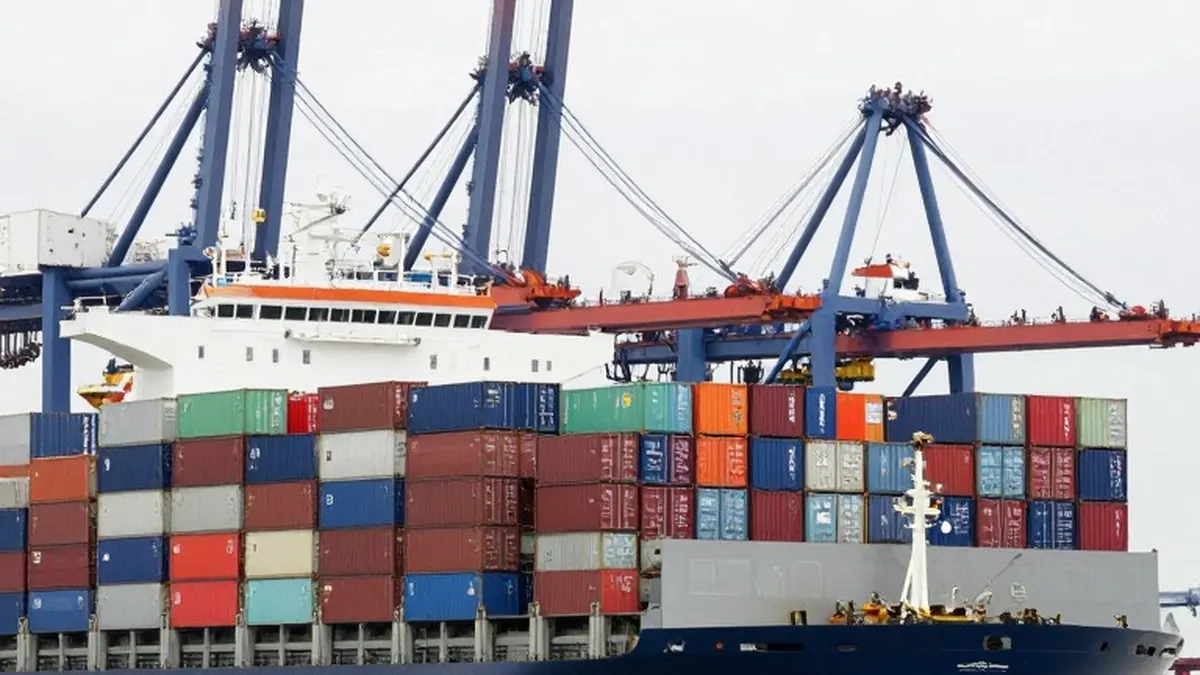
The administration of US President Donald Trump has proposed a new set of trade tariffs targeting 14 major economic partners. The list includes significant trading blocs and nations such as China, India, the European Union, and Japan. Under the plan, which is expected to take effect next year, Chinese products would face the highest rates, potentially reaching a 40 percent import tax.
US Trade Representative Jamieson Greer announced the measures on Wednesday. The administration argues that the tariffs are a response to unfair trading practices that damage American manufacturing. Specifically, Washington points to structural excess capacity, a condition where foreign governments use subsidies and suppressed wages to help industries overproduce and undercut US prices.
The proposed rates vary by country, ranging from a low of 10 percent to a high of 40 percent. While the exact start date remains unconfirmed, a senior US official told the AFP news agency that the tariffs could begin as early as January. The targeted economies include Bangladesh, Cambodia, Indonesia, Malaysia, Singapore, South Korea, Switzerland, Taiwan, Thailand, and Vietnam, in addition to the previously mentioned partners.
This move is part of a series of tariff actions taken during Trump’s second term. In April 2025, the president implemented broad import taxes known as Liberation Day tariffs, which were later struck down by the Supreme Court in February of this year. In July, the administration used Section 301 of the Trade Act of 1974 to impose duties on more than 80 countries, citing failures to restrict goods made with forced labor. The current proposal also relies on Section 301, following an eight-month investigation into global industrial capacity.
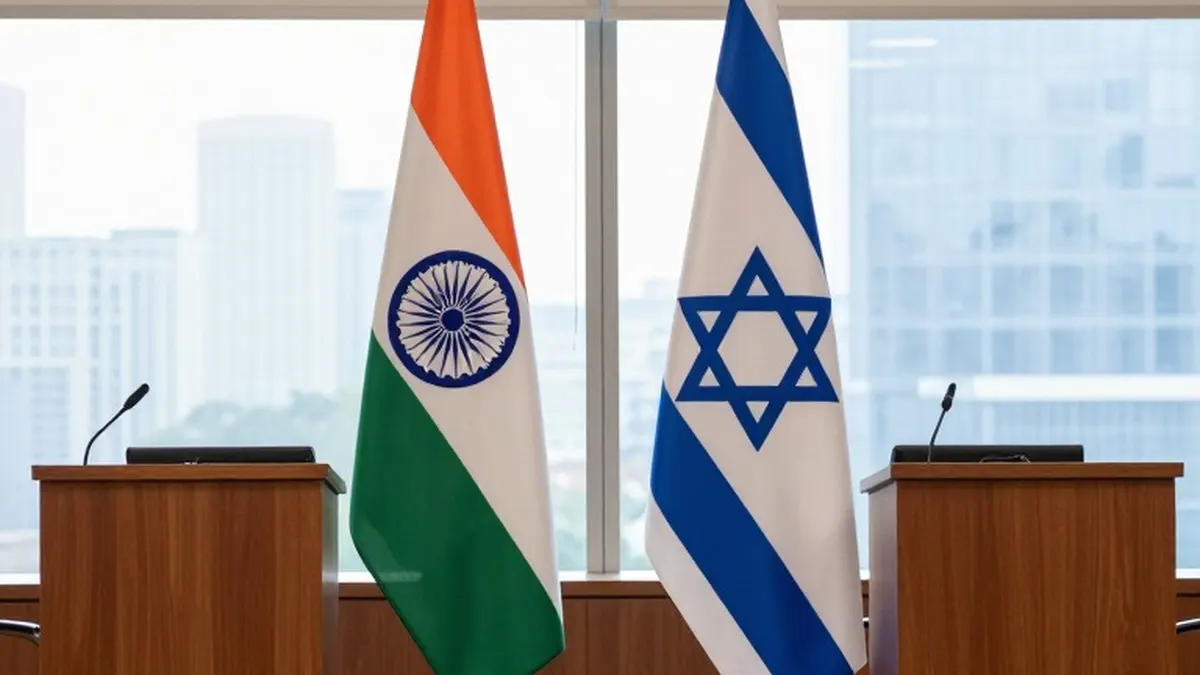
For several nations, the tariffs appear to be a tool for negotiation leverage. The rates are explicitly linked to the outcome of trade talks. For instance, China’s tariff rate is currently capped at 20 percent under a trade truce. However, if a new deal is not reached by January 10, the rate could double to 40 percent. Similarly, Vietnam and Singapore face lower rates if they finalize agreements with Washington, while India’s rate depends on the success of ongoing negotiations.
Analysts suggest that the US is attempting to build a durable tariff structure that may outlast the current administration. Josh Lipsky of the Atlantic Council described the move as an effort to create a tariff web designed to remain in place. Gregory Shaffer, a professor at Georgetown University Law Center, noted that the strategy allows the president to set global tariffs without requiring approval from Congress.
Reactions from targeted countries have been mixed. China’s Foreign Ministry criticized the move as political manipulation, arguing that overcapacity is a false issue. Beijing stated it reserves the right to take necessary measures in response. Singapore expressed disappointment and called for a reevaluation of the policy, while India indicated that concerns should be addressed within current trade talks.
The European Union’s trade commissioner, Maros Sefcovic, strongly opposed the new tariffs. He emphasized that Washington must honor the 15 percent tariff limit previously agreed upon for goods imported from the bloc. Vietnam pledged to improve its forced labor regulations and address overcapacity concerns as it works to conclude a trade pact.
Democratic Senator Ron Wyden, who is expected to chair the Senate Finance Committee next year, called the move a blatant attempt to reconstruct illegal global tariffs. He stated that while global overcapacity is a serious problem, unilateral price hikes are not the solution. The new tariffs highlight the continuing tension in US trade policy as the administration seeks to reshape its economic relationships with key partners.