Somali Stability Tested as Foreign Troops Prepare to Withdraw
Analysts warn that the departure of African Union forces and deep political divisions could allow al-Shabab to seize control of Mogadishu.
By Lorenzo Evans ·
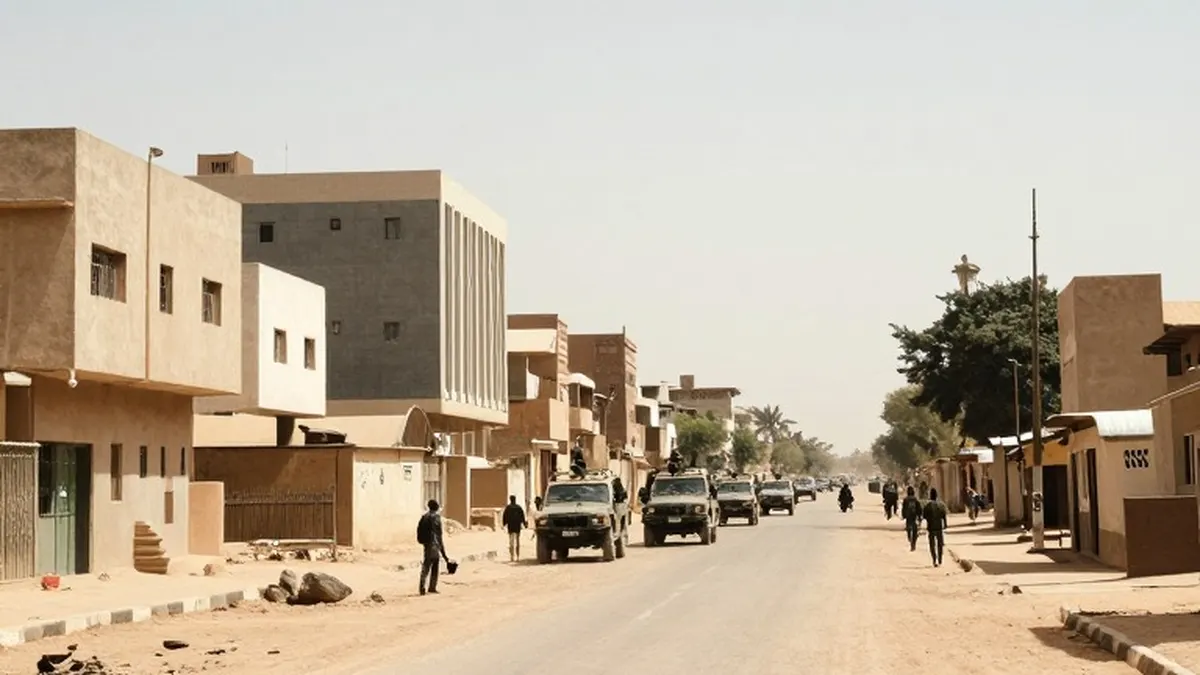
Somalia is currently navigating a complex period of instability as foreign military forces begin to pull out, security funding faces scrutiny, and a bitter political dispute threatens the country's first direct democratic elections in decades. These converging challenges have raised significant questions about whether the government can effectively defend itself against the Islamist militant group al-Shabab while managing growing internal divisions.
The militant group, which has ties to al-Qaeda, already controls large portions of the territory despite the presence of approximately 12,000 African Union troops. Some analysts fear that the current environment could embolden al-Shabab, potentially enabling it to take control of the capital, Mogadishu. The withdrawal of foreign forces, combined with the active presence of clan-based militias aligned with rival political factions, has intensified concerns about the central government's ability to maintain order.
Ugandan troops, who form the largest part of the African Union mission, began their withdrawal last month and are expected to complete the process by next year. Ethiopia, another major contributor, is reportedly planning to withdraw around 3,000 soldiers. The country has 2,500 troops authorized under the African Union mission and approximately 5,000 under a bilateral agreement with Somalia, though it remains unclear which contingent the reported withdrawals will affect.
Financial support is also in flux. The United States, which previously announced cuts to the UN Support Office in Somalia, has extended its funding for one year. Washington provides about a quarter of the office's $500 million annual budget, which supports Somali security forces and troop-contributing nations. With military backing uncertain, analysts are questioning whether Somali forces are prepared to stand alone.
Recent events have heightened these concerns, particularly after al-Shabab claimed to have killed hundreds of elite Somali soldiers in a single attack. While the government acknowledged the incident, it did not specify the number of casualties. Abdisalam Guleid, a former deputy director of Somalia's National Security Agency, described the security situation as increasingly precarious to the BBC. He warned that the exit of foreign troops could leave Mogadishu vulnerable to a rapid takeover similar to the Taliban's seizure of power in Afghanistan in 2021.
Guleid noted that such a collapse of central authority has occurred in Somalia before. In the early 1990s, clan-based rebel groups forced President Mohamed Siad Barre from power, triggering a devastating civil war and humanitarian crisis. This collapse created conditions that allowed militant groups like al-Shabab to expand their influence. Guleid argues that Ugandan troops, deployed since 2007, have been central to preventing a similar fate by protecting key infrastructure and driving militants out of major towns.
Despite these risks, Somalia's Information Minister Abdifatah Qasim Mohamud rejected the notion that the country cannot cope with the withdrawals. He stated that Somali troops have already assumed some positions vacated by Ugandan forces and are prepared to take on greater security responsibilities. President Hassan Sheikh Mohamud has also sought continued international backing, calling on the global community to support Somalia during a visit to Uganda on November 23.
Not all experts share the pessimistic outlook. Ugandan security analyst Freddie David Egesa suggests that the withdrawal offers an opportunity to assess the progress made in building Somali security institutions. He believes the process will force political leaders to set aside differences and take greater responsibility for the nation's future. However, Omar Mahmood of the International Crisis Group warns that the timing is critical, as the military is stretched thin fighting al-Shabab while taking over new positions and dealing with regional conflicts.
The political landscape is further complicated by a dispute over the timing and format of upcoming elections. President Mohamud pushed through constitutional amendments to extend his term, but the Supreme Court recently ruled against this move. The court ordered leaders to agree on an electoral roadmap within 30 days. The government has since rejected the ruling, creating uncertainty as the country prepares for a contentious electoral process while managing its security challenges.
Financial dependence remains a critical factor in Somalia's stability. The finance ministry reports that donor grants account for two-thirds of its planned 2026 budget, yet only 35 percent of the expected annual aid has been received so far. While some analysts believe other partners can bridge the gap, Guleid is skeptical that countries like Turkey, Qatar, and Egypt can quickly replace the support provided by Uganda and the United States. This reliance on external aid has also strained relations with neighbors, as seen in the recent diplomatic rift with the United Arab Emirates.