Huckabee says US aid to Israel continues despite Trump's end-of-year deadline
The US Ambassador to Israel contradicted the President's announcement, stating that allocated funds will flow until Congress acts, while the White House insists the deal remains unchanged.
By Khalid Khalil ·

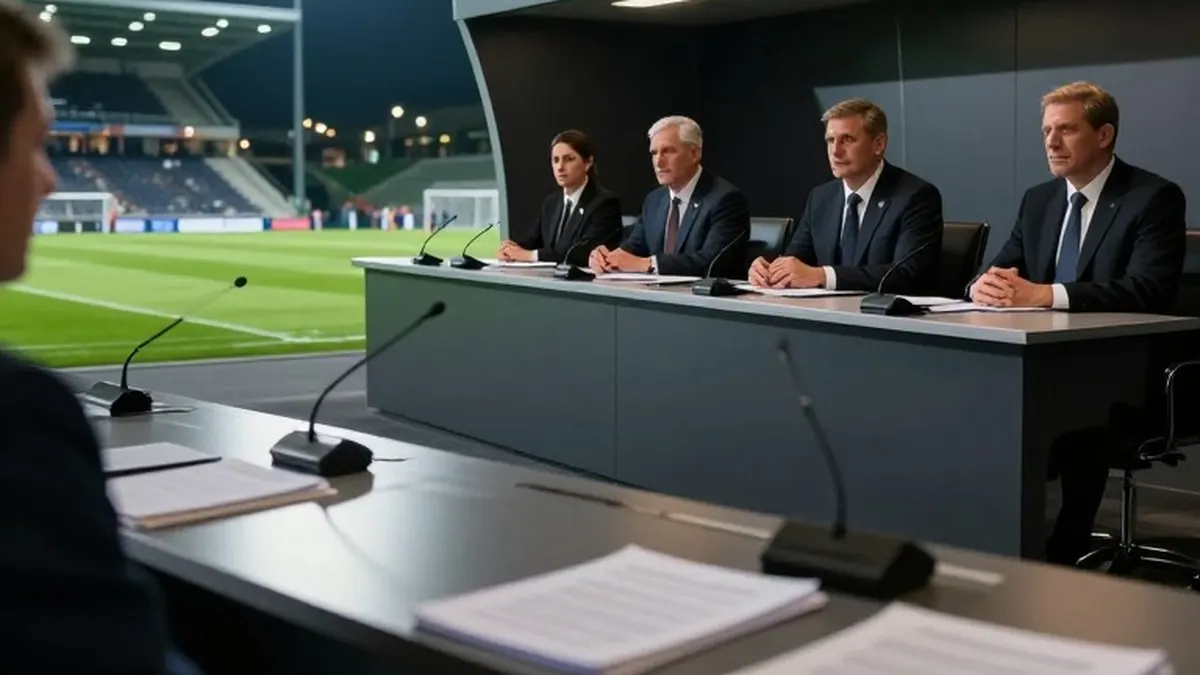
For Israeli defense planners, the immediate reality is that money keeps moving. US Ambassador to Israel Mike Huckabee told attendees at the Institute for National Security Studies conference on Tuesday that he was unsure whether military aid would stop abruptly at the end of the year, as President Donald Trump announced.
Huckabee noted that the current memorandum of understanding is scheduled to remain in effect for two more years. He explained that funds already allocated by Congress are expected to continue flowing unless the legislative body passes new measures to halt them. This creates a gap between the executive branch's stated timeline and the legal framework governing the transfers.
The confusion followed Trump's remarks on November 3, the day of the US midterm elections. On that date, the President said the US would end its assistance to Israel at year's end. He claimed to have reached a verbal agreement with Prime Minister Benjamin Netanyahu, who reportedly proposed the move. A senior White House official told The Jerusalem Post on Tuesday that Trump's position remains unchanged, calling Israel an extraordinary partner in combating the Iranian regime.
The official did not directly answer whether the President had instructed the administration to stop the transfer of funds. Instead, the White House pointed to the existing ten-year agreement signed in 2016 under the Obama administration. That document provides for $3.8 billion in annual military assistance through fiscal year 2028.
The annual package includes $3.3 billion in Foreign Military Financing and $500 million for joint missile defense programs. Huckabee argued that Israel uses these funds to purchase equipment and software, a process that also supports American jobs. Because the funding remains subject to congressional appropriations, an agreement between Trump and Netanyahu does not automatically cancel money already approved by lawmakers.
The Prime Minister's Office described the shift as a transition from traditional military assistance to a strategic partnership. Netanyahu has previously said he wants to reduce Israel's dependence on US aid to foster greater independence in domestic defense production. Israeli defense officials maintain that the country is prepared for the termination of assistance.
Draft US budget legislation for 2027 still includes funding for Israel under the existing agreement, although the legislative process has not been finalized. Israeli and American officials are discussing a future framework for defense cooperation that would focus on joint research and military procurement rather than direct financial transfers.