Washington Apple Farmers Cut Back Acreage
Rising costs and tariffs are forcing growers in the nation's largest apple region to remove orchards and leave fruit unpicked.
By Khalid Khalil ·
Washington state apple growers are removing thousands of acres of fruit trees. The state produces nearly 70 percent of the United States fresh apple supply. That output is worth approximately $9 billion annually.
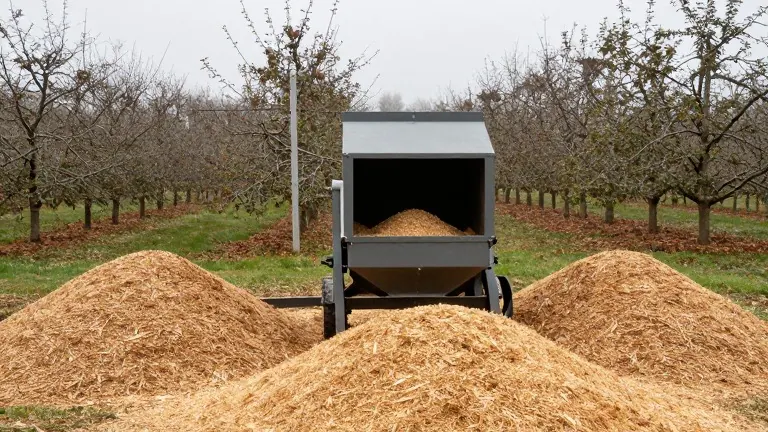
Sean Gilbert stepped out of his white GMC pickup truck near Wapato, Washington. He stood beside one of his 50-acre orchards. That specific plot of land is now covered in wood chips. A machine the size of a semi-truck ground the apple trees into mulch.
Gilbert co-owns Gilbert Orchards. The family business was founded in 1898. It currently manages 4,000 acres of fruit in the state. He said it costs less to leave the ground fallow than to plant a new crop. He described the decision as a relief from financial bleeding.
Jon DeVaney serves as president of the Washington State Tree Fruit Association. He identified labor, fuel, fertilizer, and equipment as primary cost drivers. He also cited weak exports caused by international tariffs. A strong U.S. dollar further reduces the purchasing power of foreign buyers.
Kate Tynan is the senior vice president of the Northwest Horticultural Council. She estimated that thousands of acres across the Northwest are being torn out. Many of these orchards are not receiving active care. Tynan noted that some large, established operations have filed for bankruptcy.
Unpicked apples rotted on branches and ground in late summer and fall. Tynan said this pattern has continued for several years. Federal regulatory changes are also affecting farm economics. New rules lower wages for some immigrant workers and remove housing costs from paychecks. A farm workers union has pushed back on these changes.
A federal judicial decision is pending. That ruling could require operators to pay backpay for the 2026 season. The Trump administration announced $12 billion in payments to farmers at the end of 2025. Tynan stated that much of that relief went to soybean and corn growers. It did not reach specialty crop farmers as expected.
A U.S. Department of Agriculture census recorded a 15 percent drop in Washington tree fruit farms between 2017 and 2022. Oregon lost more than a quarter of its apple, pear, and cherry farms in the same period. Apple acreage in Washington increased slightly during that time. DeVaney said that trend has reversed. Private equity firms bought land, but the industry is now losing individual growers.
More Business · Bad Business · Report a business · Got a Story?