EU Council tightens export controls on 15 Russian defense-linked entities
The European Union has expanded its list of companies facing stricter export restrictions on dual-use goods, aiming to increase pressure on Russia's military-industrial complex.
By Khalid Khalil ·
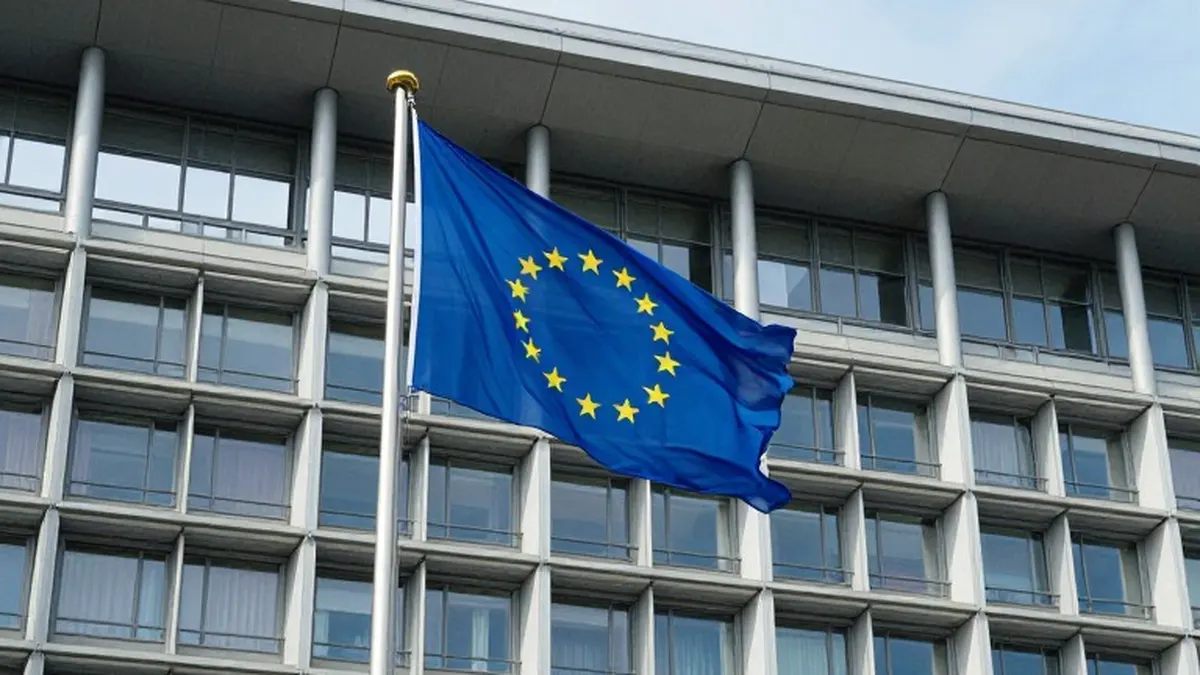
The Council of the European Union reached a decision on November 25 to strengthen its economic measures against Russia. The body voted to include 15 Russian entities on the list of organizations subject to heightened export controls. These restrictions specifically target dual-use goods and advanced technologies, which are items that can serve both civilian and military purposes.
According to the Council, the newly designated entities are part of Russia's military-industrial complex. The decision notes that these companies have direct links to the Russian defense and security sector or provide other forms of support to it. By adding these firms to the list, the EU aims to limit their access to critical technologies and components.
In a statement released by its press service, the Council emphasized its determination to increase pressure on Moscow. The officials stated that the goal is to push Russia to stop its war of aggression and to engage in meaningful negotiations toward peace. The move represents a continued effort by European leaders to constrain the resources available to the Russian state.
Alongside the additions, the Council also decided to remove one entity from the list of restricted organizations. This single removal lifts the previous export restrictions on that specific company. The decision was made after the entity ceased the activities that originally led to its inclusion on the list. Furthermore, the company provided credible assurances that it would not trade in sensitive goods with Russia.
This update to export controls occurs against the backdrop of a broader push for new sanctions. On November 23, the European Commission presented its proposal for the 22nd package of sanctions against Russia. This latest package includes significant measures regarding the cultural and sporting spheres, specifically targeting the participation of Russian athletes.
Under the proposed 22nd package, Russian teams and athletes would be banned from competing under the Russian flag at sporting events held within the EU. The proposal also seeks to ban the display of official Russian symbols during these events. These measures are designed to further isolate Russia in international arenas.
In addition to the sanctions proposal, the European Commission adopted updated visa guidelines on the same day. These new guidelines also concern Russian athletes, creating a framework for how their entry into the bloc will be handled in the future. The coordination between sanctions and visa policy highlights a comprehensive approach to managing Russia's presence in Europe.
The momentum for stricter measures was further evident on Tuesday, November 24. Leaders from seven EU countries issued a joint call for visas to be denied to athletes from both Russia and Belarus. This political stance supports the broader trend of tightening restrictions on individuals and entities associated with the two countries.
The combination of new export restrictions and proposed sanctions signals a coordinated strategy by European institutions. By targeting specific companies in the defense sector and considering limits on sporting participation, the EU is applying pressure across multiple fronts. These actions are intended to sustain the strain on Russia's economy and its capacity to wage war.
The Council's decision on November 25 marks the latest step in a series of measures designed to counter Russian actions. As the EU continues to refine its sanctions packages, the focus remains on identifying key nodes in the Russian economy and restricting their access to essential goods and international platforms.