Brazil receives two skulls taken to US and used in racist Harvard research
The remains, believed to belong to Africans or Afro-Brazilians, returned after a four-year campaign and will be studied for identification before burial.
By Evelyn Adeyemi ·
Two skulls taken from Brazil in the 19th century and used in racist eugenics studies at Harvard University were returned on Wednesday, November 11. One is believed to belong to a man involved in the country’s largest urban slave revolt. Their arrival was marked by subdued ceremonies in Salvador and Rio de Janeiro.
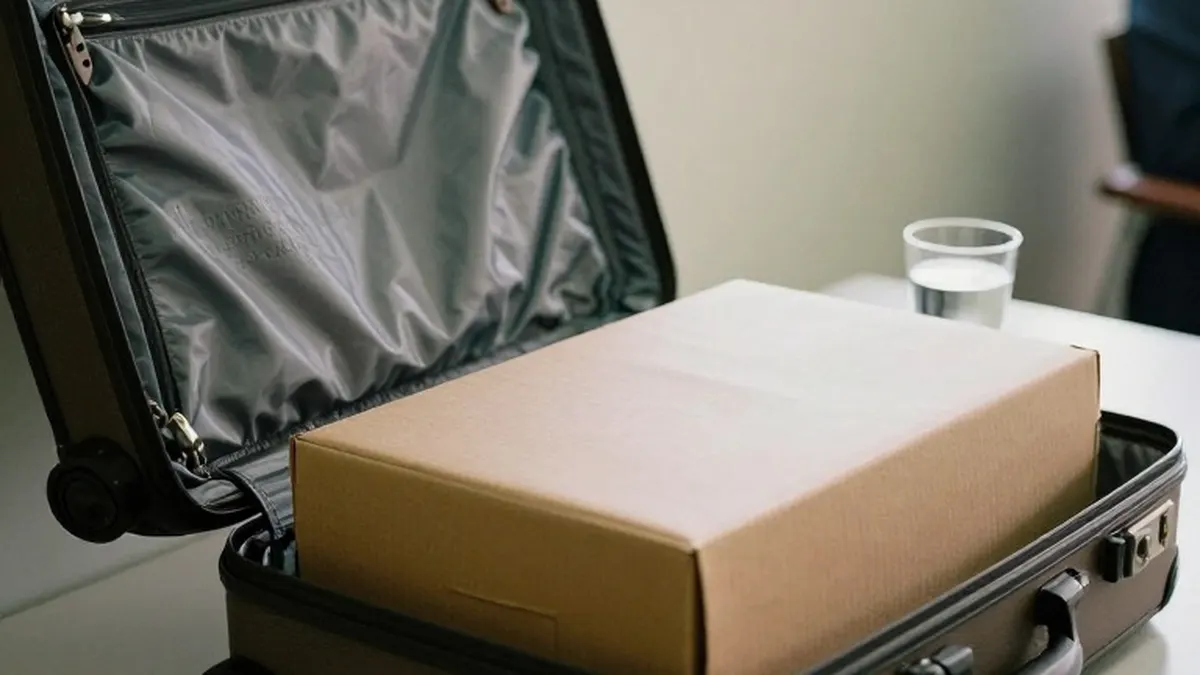
Brazilian diplomats transported each skull by air in a padded box secured inside a reinforced suitcase, concluding a four-year effort to recover them from Harvard’s Peabody Museum of Archaeology and Ethnology. The remains had been removed from Salvador about 190 years ago and from Rio about 160 years ago. Both are thought to be those of Africans or Afro-Brazilians.
Researchers at Brazilian universities will investigate the individuals’ identities before burial. The government has promised funeral rites once that work is finished, and neither the skulls nor photographs of them will be displayed publicly. Carolina Dias dos Reis, the government official who travelled to Boston to sign the return agreement, said restoring the dignity denied to the individuals during life and after death was essential.
The skulls’ existence became known in 2022. Brazilian researchers said their requests for repatriation encountered lengthy delays, with progress coming only after the government intervened in late 2024. More recently, there were fears that Donald Trump’s sometimes hostile dealings with Brazilian president Luiz Inácio Lula da Silva might disrupt the return, but the transfer went ahead.
The skull returned to Salvador may belong to a participant in the 1835 uprising, when roughly 600 African Muslims tried to take control of what was then Brazil’s second most important city. Police defeated the revolt and killed 70 rebels. The man is believed to have died in hospital, after which US diplomat Gideon T Snow apparently sent his skull to Boston. The Bahia Islamic Cultural Centre, a prominent advocate for its return, named him Arakunrin, the Yoruba word for brother.
The identity of the person whose remains returned to Rio is even less certain. Early information described someone exhumed from the city’s streets in the 1860s. Brazilian officials said Wednesday that Harvard researchers had suggested the skull might belong to a woman, partly because its size fell between that of an adult man and a child.
Historian Bruno Veras examined diaries, correspondence and city maps and believes the Rio remains may have come from a cemetery for Africans who died during the Atlantic crossing or shortly after arrival. Walter Hunnewell, a student from a wealthy Boston family, is believed to have carried the skull to the United States. He accompanied Harvard professor Louis Agassiz on an expedition intended to gather evidence for Agassiz’s racist theories.
At the Rio ceremony, history professor and Candomblé cleric Ivanir dos Santos poured water onto the ground as researchers accepted the suitcase. He described the gesture as an act of reverence for an ancestor. Brazil received more enslaved Africans than any other country during the transatlantic slave trade and abolished slavery in 1888.
Forensic anthropologists will use skull measurements and microscopic examinations to investigate sex and other characteristics. The Salvador skull is intact, while the Rio skull lacks its jaw. Researchers will request permission for genetic analysis or dating tests if needed.