Iran warns of strikes on European US bases if used in future attacks
Iranian security chief Mohsen Rezaei stated that Tehran will target American military installations in Europe if they are utilized to launch airstrikes against the Islamic republic.
By Evelyn Adeyemi ·
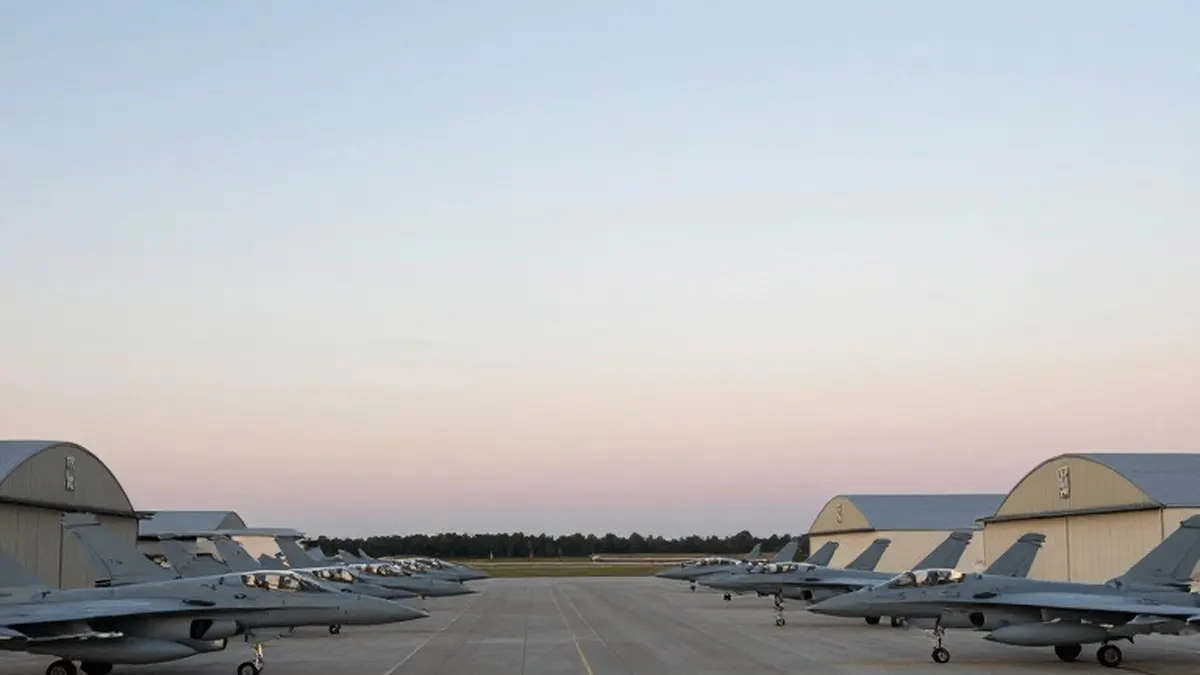
Iranian security chief Mohsen Rezaei issued a warning on Wednesday, declaring that Tehran will attack US military bases located in Europe if they are used to carry out bombing raids against the Islamic republic. The statement marks a significant escalation in rhetoric, suggesting that the geographic scope of potential Iranian retaliation extends well beyond the Middle East.
Speaking in an interview with the Lebanon-based Al Mayadeen TV channel, which was broadcast on Wednesday, Rezaei emphasized the direct nature of the threat. He stated that if American aircraft take off from a US military base, even one situated in a European country or another distant region, to bomb Iran, those specific bases will become targets of Iranian strikes.
Rezaei further elaborated that Iran's response to any renewed US aggression would focus on America's more distant military installations. He specifically mentioned targeting facilities that have not yet been attacked, without providing a detailed list of specific locations. The interview was conducted in Tehran, where the security chief outlined the broader strategic implications of the ongoing conflict.
The security chief also hinted at expanding the range of potential targets. He noted that Iran might strike certain islands that the United States assumes are beyond the reach of its missiles. This comment suggests that Tehran is preparing for a more comprehensive defensive and offensive posture against US military assets globally.
This latest threat comes against the backdrop of a shifting political landscape in Washington. The heavy defeat of US President Donald Trump's Republican Party in the midterm elections earlier this month appears to have influenced Washington's stance. The loss seems to have pushed the administration to pull back its threats of carrying out fresh strikes against Iran, possibly due to the growing unpopularity of the war among voters.
The current Middle East war began on February 28, following US and Israeli strikes that resulted in the death of Iran's supreme leader, Ayatollah Ali Khamenei. In response to the initial attacks, Iran launched missiles and drones at various countries across the region that host US military assets. Additionally, militant groups supported by Iran in Lebanon, Yemen, and Iraq entered the conflict, intensifying the regional instability.
Diplomatic efforts to end the war are currently underway, led by Qatar and Pakistan. These negotiations aim to find a resolution to the escalating violence. Tehran has insisted that Washington accept a series of demands, which include unfreezing Iranian assets and lifting sanctions. In exchange for these concessions, Iran is willing to reopen the Strait of Hormuz, a vital energy conduit that has been blockaded since the start of the conflict.
US Secretary of State Marco Rubio commented on the situation on Tuesday, stating that there was no immediate need to attack Iran again. He cited successful efforts by the US to undermine the Iranian economy as the primary reason for the pause in military action. This diplomatic statement aligns with the observed tapering of threats from Washington in recent weeks.
The combination of political pressure at home and diplomatic initiatives abroad has created a complex environment for US-Iran relations. While the immediate threat of a new US strike may have diminished, the warning from Rezaei highlights the potential for rapid escalation if the status quo changes. The interplay between military posturing and political strategy remains a critical factor in determining the next phase of the conflict.
As the midterm election results continue to shape US foreign policy, the focus remains on how long the pause in military action will last. The involvement of regional powers and the specific demands of both sides in the negotiations will be crucial in determining whether a lasting peace can be achieved or if the conflict will reignite. The statements from Tehran serve as a clear reminder of the stakes involved in the ongoing standoff.