Smotrich unveils 40 new settlements in Naqab as Israel votes
Finance Minister Bezalel Smotrich's plan to add one million Jewish residents to the Naqab and northern Israel complicates the choice facing 20% of the electorate on Tuesday.
By Evelyn Adeyemi ·
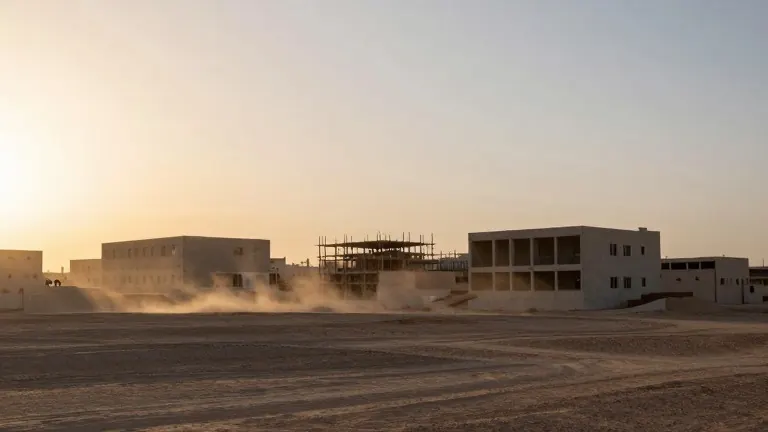
Israeli Finance Minister Bezalel Smotrich has proposed a plan to establish 40 new settlements in the Naqab desert and northern Israel. The initiative, announced in August, aims to add one million Jewish residents to these regions by expanding existing settlements and creating hundreds of thousands of new housing units. The move extends a model of territorial control previously associated with the West Bank into areas where Palestinian communities are concentrated.
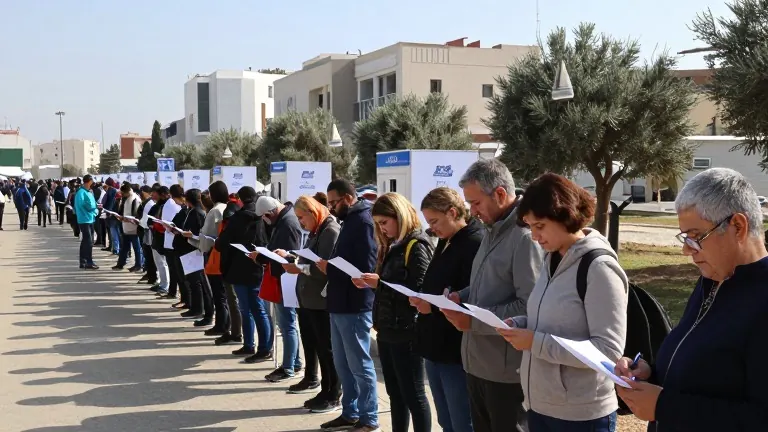
The proposal lands as Israel heads to the polls on October 27. Palestinian citizens, who constitute 20 percent of the population, face a distinct dilemma compared to the majority of voters. While most Israelis choose between Prime Minister Benjamin Netanyahu and opposition leader Gadi Eisenkot, Palestinian voters question whether their vote can alter the country's political trajectory. The mainstream political landscape has shifted toward the far right, increasing threats to the collective rights of the Palestinian minority.
Smotrich’s plan is part of a broader strategy to increase the Jewish population in specific zones. It involves the acceleration of land seizures and the integration of settler security squads into the national security framework. National Security Minister Itamar Ben-Gvir has also issued 300,000 gun licenses since taking office, a move that widens access to personal firearms for civilians. These measures are viewed by many as a normalization of civilian policing and a deepening of the militarization of daily life in Palestinian towns.
The context for these changes includes a long history of state policies aimed at reshaping Palestinian identity. Since granting citizenship in 1952 and lifting martial law in 1966, the state has used land confiscation and educational regulations to detach Palestinians from their historical roots. Critics argue that formal citizenship has not secured substantive equality, leaving the community subject to discriminatory laws and systemic underfunding of basic services. Violence has often been outsourced to criminal networks, with organized crime groups obtaining advanced weapons that have claimed hundreds of lives.
Political parties representing Palestinian citizens, such as the United Arab List led by Mansour Abbas, have argued that supporting the anti-Netanyahu camp can help remove the far right from power. However, the party’s experience in the 2021 coalition government suggests otherwise. Mazen Ghnaim, a member of the United Arab List, publicly acknowledged in 2022 that his party could not push through beneficial policies despite being part of the ruling coalition. This experience illustrates the difficulty of sustaining political participation in a government where other parties uphold exclusionary nationalist policies.
The National Guard, established under Ben-Gvir following the May 2021 Dignity Uprising, represents another source of anxiety. The force was created to suppress unrest in towns like Lydd, Haifa, and Umm al-Fahm. Although its precise operational framework is still under development, its potential deployment against mass protests raises concerns about the protection of democratic freedoms. The government’s actions suggest a shift toward a more rigid structure of coercive power in a society where Palestinian communities remain marginalized.
Source: Al Jazeera