Florida Rep. Randy Fine Criticizes JD Vance and Labels New Senator Abdul El-Sayed a Terrorist
In a sharp post-election interview, Representative Randy Fine declared he will not support Vice President JD Vance in 2028, blamed the vice president for the Iran conflict, and described Michigan senator-elect Abdul El-Sayed as a Muslim terrorist.
By Khalid Khalil ·
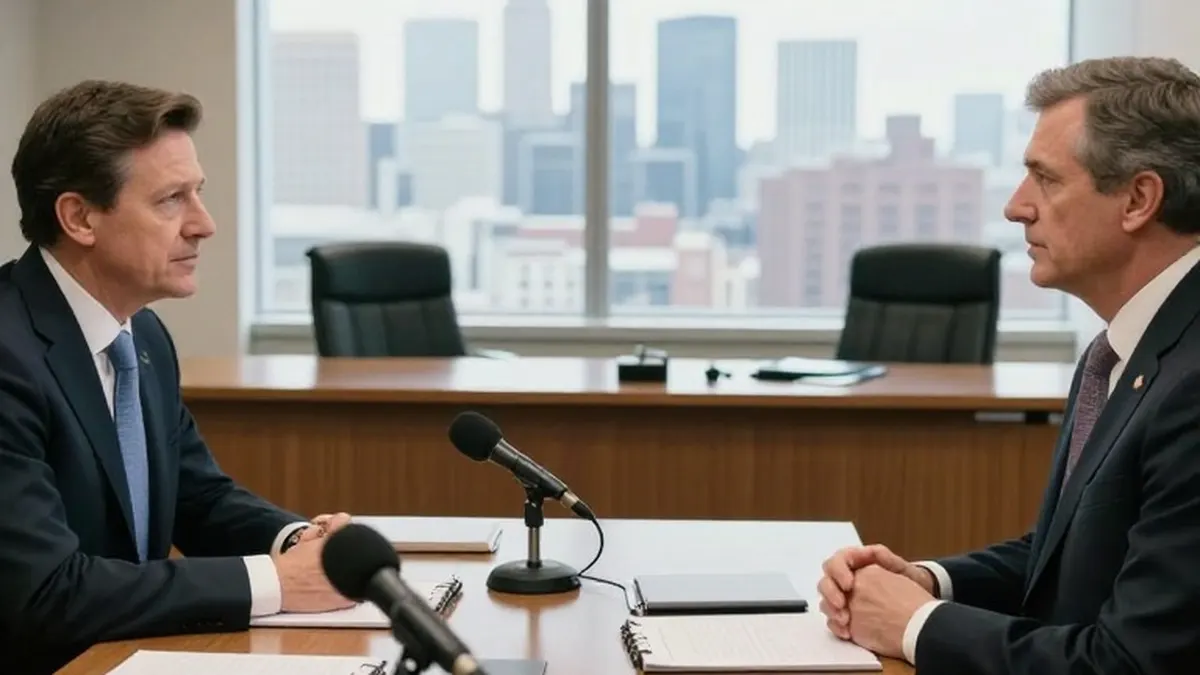
Florida Republican Representative Randy Fine issued a series of strong criticisms against Vice President JD Vance and the broader Republican establishment during an exclusive interview with The Jerusalem Post on Sunday. Speaking following his successful reelection bid, Fine announced that he would not back Vance in the 2028 Republican presidential primary. He characterized the vice president's recent comments as a betrayal of President Donald Trump and suggested that Vance was incorrectly directing blame toward Israel and American Jews for the party's midterm losses.
Fine expressed particular frustration with Vance's handling of the ongoing war in Iran. The representative argued that Vance's diplomatic efforts, specifically a memorandum of understanding negotiated earlier in the year, had prolonged the conflict rather than resolving it. Fine stated that the vice president led the administration astray by claiming a peace deal was possible, a position he now views as incorrect given the current state of the war.
The congressman also took issue with what he perceived as an attempt to shift responsibility for the Republican defeat onto the Jewish community. Although Vance did not explicitly blame Jewish Americans in his public statements, Fine interpreted the vice president's focus on the administration's relationship with Israel as a deflection tactic. He described this behavior as inexcusable and noted that he took personal responsibility for his own campaign results, which saw his margin of victory increase.
In a separate but related discussion, Fine pointed to the influence of the Tucker Carlson wing of the Republican Party as a source of growing anti-Israel sentiment. He warned that this faction had become increasingly prominent and suggested that many Americans, including Israelis, may underestimate the speed at which hostile rhetoric has gained traction in political discourse. Fine argued that the events of October 7 should have generated greater sympathy for the Jewish people, but instead, those with longstanding animosity felt emboldened to make extreme claims.
The interview featured its most inflammatory moment when Fine discussed Abdul El-Sayed, the Michigan Democrat who defeated Mike Rogers to become the first Muslim elected to the United States Senate. Fine described El-Sayed as a Muslim terrorist, a characterization he maintained when asked directly about the term. He alleged that El-Sayed's family had ties to the Muslim Brotherhood and that the senator-elect had signed a document supporting the organization.
However, Fine's claims regarding El-Sayed remain a subject of debate. There is no verified evidence that El-Sayed participated in terrorist activity or formally belongs to the Muslim Brotherhood. The senator-elect has consistently denied such connections and publicly disavowed the group. Fact-checking organizations have noted that a 2012 statement signed by El-Sayed defended Egypt's then-elected president, Mohamed Morsi, but did not constitute a general pledge of allegiance to the Brotherhood.
Fine also offered opinions on the political situation in Israel following recent Knesset elections. While acknowledging that coalition formation is a decision for Israeli voters, he expressed strong opposition to including parties he views as hostile to the state. He described the inclusion of such parties as an existential question for Israel, comparing the political risks to competing nuclear threats. He did not distinguish between the varying political positions of different Arab parties in his assessment.
The representative concluded the conversation with a somber outlook on the future of American politics. He warned that the country faces dark times ahead and emphasized the importance of speaking truth without fear during this period. His remarks highlight a growing divide within the Republican Party regarding key foreign policy issues and the role of religious and ethnic groups in the political landscape.