Democrats seize both chambers as historic firsts reshape U.S. governance
A wave of Democratic victories and record-setting firsts signals a sharp check on the executive branch and new dynamics for global markets and allies.
By Lorenzo Evans ·
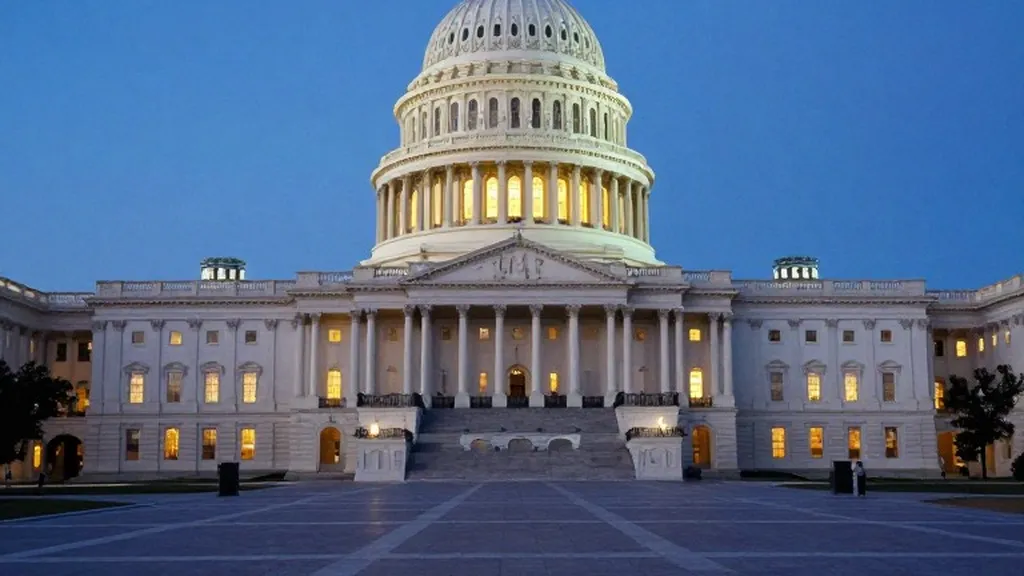
The United States has completed its midterm elections, marking a decisive shift in power within the federal government. In this system, the House of Representatives and the Senate form the two chambers of Congress, which holds the power to pass laws, control the budget, and check the authority of the president. On Tuesday, November 3, 2026, voters elected a new composition of these bodies, resulting in significant changes that will influence domestic policy and international relations for the next two years.
The most immediate consequence of the results is the return of the Democrats to control of both the House and the Senate. This bipartisanship shift is critical because it allows the legislative branch to more aggressively oversee the executive branch, including the administration of President Donald Trump. With healthy majorities in both chambers, the new congressional leadership is positioned to initiate a series of investigations into the administration. This dynamic is expected to define the political landscape for the remainder of Trump's term and test the limits of presidential power.
Rep. Robert Garcia of California, who is set to chair the powerful House Oversight Committee, has declared that the era of passive oversight is over. He and other Democratic leaders have framed their agenda as a direct response to the administration's actions, with some members openly discussing the possibility of impeachment. While impeachment remains a high bar, the rhetoric from the new congressional leadership suggests a more confrontational approach to governance, which could lead to prolonged legal and political battles in Washington.
The election results also brought a wave of historic firsts that reflect broader demographic and cultural shifts in the American electorate. Peggy Flanagan, a Democrat from Minnesota, became the first Native American woman elected to the U.S. Senate. Her victory is seen as a milestone for indigenous representation in a chamber where only four Native people have served in its history. Additionally, Deb Haaland of New Mexico was elected as the first Native American woman to serve as a state governor, further expanding the presence of indigenous leaders in formal political power.
At the tribal level, Crystalyne Curley was elected as the first woman president of the Navajo Nation, a tribe that spans 27,000 square miles across three states. Curley's victory is viewed as a turning point for Native women in leadership, challenging historical traditions and opening the door for more diverse governance structures. These milestones are not just symbolic; they bring new voices to the table that are expected to influence federal Indian policy and economic decisions, particularly regarding the transition away from coal development.
For readers outside the United States, these political shifts have tangible implications for global markets and international alliances. The new Democratic Congress is expected to push for policies that lower the cost of living domestically, which may affect trade agreements and tariff structures. The administration's aggressive stance on immigration enforcement, which was a key issue in the election, suggests that policies affecting labor and border security will remain contentious. About 6 in 10 voters said the administration's actions on immigration had gone too far, indicating a mandate for a more balanced approach that could influence negotiations with neighboring countries.
The conflict between the White House and the new Congress is also likely to impact the U.S. role in international conflicts, including the ongoing war in Iran. With the legislative branch more empowered to scrutinize executive decisions, the administration may face greater hurdles in securing funding or authorizing military actions. This internal friction could lead to a more cautious U.S. posture abroad, affecting the strategic calculations of allies and adversaries alike. The appointment of Stephen Miller as White House chief of staff, a move criticized by many Democrats, signals that the administration intends to push forward with its agenda despite the new legislative reality.
In the realm of technology, the election results may influence how the U.S. regulates artificial intelligence. The U.S. Center for AI Safety, a division of the Commerce Department, has faced leadership instability and concerns about its independence. With the new Congress in place, there may be increased scrutiny on how the government oversees the development and deployment of AI technologies. This is particularly relevant for global tech markets, as U.S. standards often set the benchmark for the industry worldwide. The administration's new Super Intelligence Force, as it is termed, will likely face legislative questions about its funding and operational independence.
The election also highlighted the growing influence of specific political constituencies, such as survivors of abuse and gender-based violence. In Ohio, Dr. Amy Acton won the governorship by 8 points, a significant achievement in a state where the Democratic Party had not held the office for nearly two decades. Her victory is seen as a testament to the power of targeted advocacy and the willingness of voters to support candidates who address personal and social issues. This trend suggests that future elections may see even more emphasis on candidate character and personal history, which could influence how U.S. leaders present themselves on the global stage.
As the new Congress convenes, the focus will turn to the practical implementation of the mandate given by voters. The ability of Democrats to balance their investigative agenda with their promise to lower the cost of living will be a key test of their effectiveness. For international observers, the coming months will reveal whether this new alignment of power leads to more stable U.S. foreign policy or increased unpredictability. The historic nature of the winners and the intensity of the political rhetoric suggest that the United States is entering a period of significant internal redefinition that will have lasting effects on its role in the world.