Iran faces criticism over rising femicide rates despite presidential remarks
Multiple women and girls, including pregnant teenagers and child brides, were killed in Iran during recent weeks, prompting outrage despite official claims that women are thriving in the country.
By Evelyn Adeyemi ·
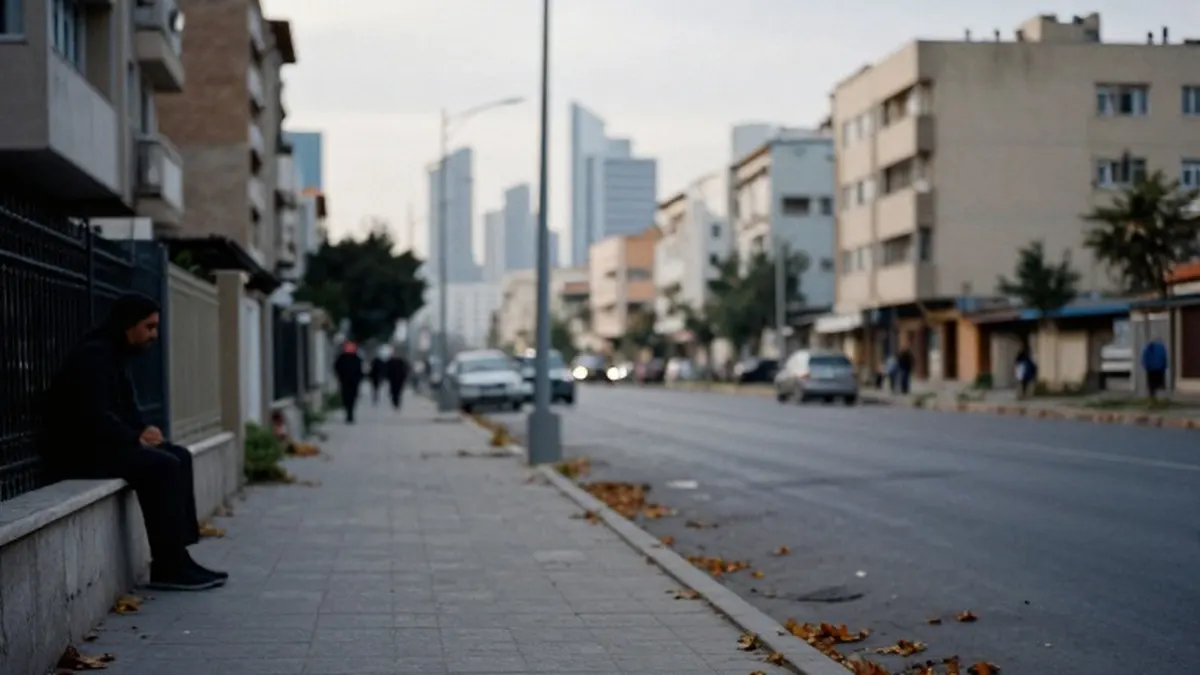
A wave of violence against women in Iran has drawn sharp criticism in recent weeks, with several femicide and honor killing cases reported across the country. These incidents occurred despite President Masoud Pezeshkian's public statements on International Day for the Elimination of Violence against Women, where he asserted that women were flourishing in the Islamic Republic. The president highlighted the historical role of the Prophet of Islam in opposing discrimination, suggesting that current laws and measures should secure the rights and safety of all citizens.
One of the most prominent recent cases involved Helia Fattahi, a 16-year-old who was killed by her parents in Sanandaj County. According to reports from the IRGC-linked Tabnak news site, her parents forced her to swallow a large number of pills before smothering her with a pillow. The motive was cited as family disputes, although human rights groups stated she was killed after revealing she was two months pregnant. Shahram Abdi, the head of criminal police in Kordestan province, confirmed the parents' confession on Tuesday.
The case generated further public anger when Rokna Media, a state-licensed outlet, released a posthumous photo of Fattahi in which a hijab had been digitally added to the image. The Hana Human Rights Organization criticized the edit as a violation of journalistic ethics and an attack on the victim's dignity. While some reports described Fattahi as the family breadwinner working at a salon, others alleged she was killed under the pretext of having a boyfriend. The Kurdistan Human Rights Network reported her age as 19, though other sources listed her as 16.
Fattahi was not the only young woman killed during this period. Sadaf Haghbin, who turned 23 on November 18, was shot dead at her birthday party by an ex-boyfriend. The Hengaw Human Rights Organization reported that the gunman was angry after she refused to marry him. Sources indicated he had beaten her and attempted to force her to call her parents to announce the marriage before killing her when she resisted. He had a history of violence toward her during their relationship.
Another victim was Zahra Jeddi, a 16-year-old who was killed by her 21-year-old husband in a park in West Azerbaijan province. The couple had been married as children, and the husband reportedly committed suicide shortly after the murder. He was said to have been angered by her plans to leave the marriage. This incident was part of a broader pattern, with at least three child brides murdered by their husbands over the past month according to Iranian media.
Other recent fatalities include Sogand Moshtareki, who was 14 and killed just ten days after giving birth following an argument with her 20-year-old husband. Maryam Taghavi, 16, died in a hospital after being beaten by her 27-year-old spouse. Additionally, Sepideh Raeisi, 21, was shot by her husband in front of her family, including her three-year-old daughter, after she requested a divorce. Raeisi had reportedly married at the age of 13.
Legal experts point to Iran's Civil Code, which sets the minimum marriage age at 13 for girls and 15 for boys, though younger marriages are permitted with guardian consent and court approval. The Hengaw Human Rights Organization recorded 159 femicide cases in Iran between late November 2025 and late November 2026. This total includes 23 confirmed honor killings, with Tehran accounting for the highest number of cases at 36.
The Islamic Republic has struggled to pass a comprehensive law protecting women from violence for over 15 years, with bills repeatedly exchanged between the government and parliament without enactment. Zahra Behrouz-Azar, the Vice President for Women and Family Affairs, stated that disagreements over the definition of violence have hindered the latest legislative attempts. Her office plans to submit the Romina Bill, which aims to amend specific articles of the Islamic Penal Code to strengthen punishments for murder and serious physical violence, particularly in cases of honor killings.
The proposed legislation seeks to increase available penalties for courts in intentional murder cases where retributive justice is not carried out. This includes situations where the victim's family waives their right to seek retribution. The bill targets specific gaps in the current legal framework, aiming to provide more robust protections for women and children facing violence within the family unit.