Iran imposes rolling power cuts as sanctions and war damage strain energy grid
With winter approaching, Iran has begun daily two-hour electricity rationing amid a deepening crisis fueled by US sanctions, a naval blockade, and recent military strikes on energy infrastructure.
By Khalid Khalil ·
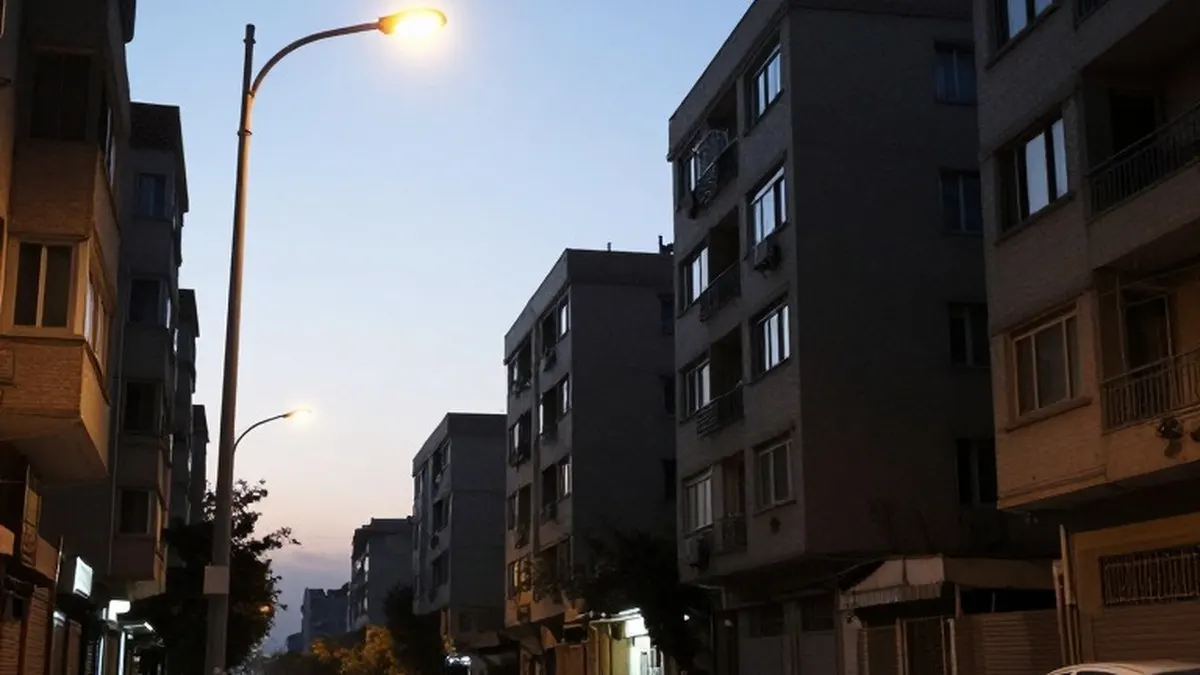
Iran has begun imposing rolling power cuts as the country faces a severe energy crisis that is compounding its economic difficulties. Starting Sunday, millions of Iranians are expected to endure daily electricity outages lasting approximately two hours. This move comes as the government seeks to manage a growing shortage of natural gas and electricity ahead of the cold winter months.
The situation was highlighted during a televised interview with state broadcaster IRIB, where President Masoud Pezeshkian was seen working under a table lamp in a dimly lit office. To symbolize the call for conservation, the chandeliers in the presidential office were switched off, and curtains were drawn to allow daylight to enter the room.
Despite possessing the world's third-largest proven oil reserves and controlling part of the largest natural gas field, Iran is struggling to meet domestic demand. Government spokeswoman Fatemeh Mohajerani warned that the country's gas shortfall could reach 430 million cubic metres a day this winter, a significant increase from the roughly 300 million cubic metres seen in previous years.
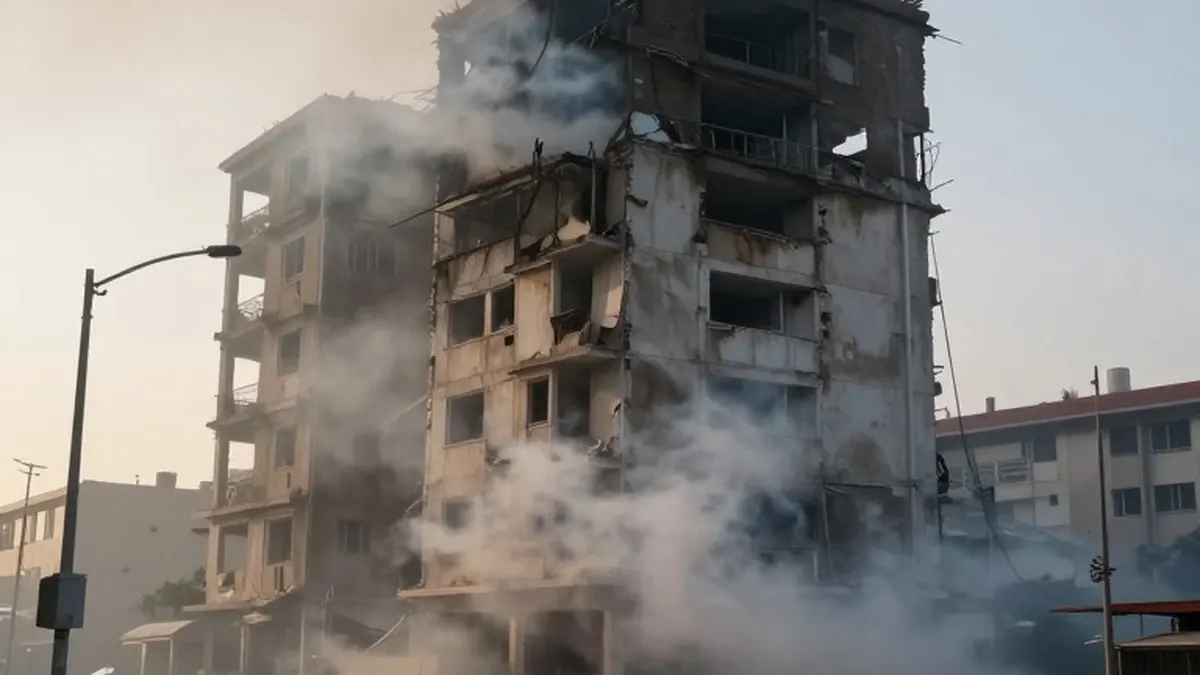
The crisis has been exacerbated by recent military actions. Following joint attacks by the United States and Israel on Tehran and nuclear facilities in late February, subsequent strikes have targeted energy, military, and civilian sites. Saeed Tavakoli, managing director of the National Iranian Gas Company, noted that four processing plants were damaged in the initial phase of the conflict. This damage reduced capacity by 230 million cubic metres, though about 100 million cubic metres of that capacity has since been restored.
The National Iranian Gas Company has warned that 11 of Iran's 31 provinces may face supply difficulties this winter. The regions most at risk include Mazandaran on the Caspian Sea, as well as Golestan and North Khorasan along the border with Turkmenistan. Mohammad Allahdad, head of the national electricity company Tavanir, confirmed on state TV that distribution restrictions would be necessary given the current fuel supply conditions.
Natural gas accounts for approximately 86 percent of Iran's electricity generation. When gas supplies are tight, some plants switch to diesel or fuel oil. Oil-fired plants provide about 7 percent of electricity, hydropower accounts for 5 percent, and nuclear energy contributes roughly 2 percent, primarily from the Bushehr Nuclear Power Plant. Energy Minister Abbas Aliabadi reported in August that war-related attacks resulted in the loss of 4,200 megawatts of generation capacity, with repairs currently underway.
The economic impact of these shortages is widespread. Politicians state that electricity shortages have already led to about 600,000 job losses due to reduced industrial production. Nasrollah Pejmanfar, a parliamentarian, warned that over one million workers could lose their jobs if the natural gas shortages persist. President Pezeshkian has described the situation as a silent economic war that is tougher than a war with missiles.
US officials have stated that their economic measures, referred to as Operation Economic Outcast, aim to force concessions from Tehran by sanctioning entities that do business with Iran. The pressure is evident in inflation figures. For the month of Mehr, which spans late September to late October, Iran's 12-month average annual inflation rate was 76.8 percent. Inflation for essential goods such as food, beverages, and tobacco reached 113.4 percent year-on-year in October.
Economist Mohammad Reza Farzanegan noted that Iran's real gross domestic product is expected to contract by about 7 percent in 2026. He described this as the sharpest contraction since the end of the Iran-Iraq War, citing intense sanctions, a physical trade embargo, and war damage as key factors. The ongoing naval blockade has particularly hurt oil revenues, creating budget deficits as government expenditures have not declined proportionally.
Analysts suggest that without a relaxation of sanctions and renewed access to global finance, Iran has limited options to resolve the crisis. While the government is working to prevent further power cuts, experts argue that changing consumer behavior requires addressing energy costs. Long-term solutions include reducing the energy intensity of production, which necessitates lifting sanctions, securing investment, and reforming subsidy structures.