Oil at $113 forces Australia to weigh fuel cuts against inflation risks
Treasurer Jim Chalmers faces a difficult budget decision as Middle East conflict drives energy prices to near-peak levels and domestic growth slows.
By Evelyn Adeyemi ·
Global energy markets are tightening as geopolitical tensions force central banks and governments to balance conflicting economic priorities. Australia’s Treasurer Jim Chalmers is currently preparing for a December budget update that will likely reflect lower growth forecasts and higher unemployment expectations.
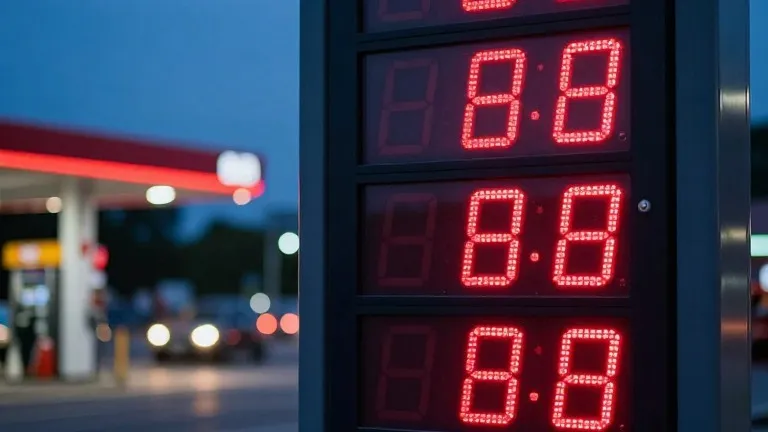
The primary catalyst for this shift is the surge in crude oil prices. The global benchmark reached 113 US dollars per barrel on the overnight session, moving closer to its April peak of nearly 120 US dollars. For Australian consumers, this translates to a 60 cent increase per litre compared to prices before the United States and Israel attacked Iran. A standard 60-litre fuel tank now costs 36 US dollars more to fill. For a family refilling weekly, this adds 144 US dollars to their monthly expenses relative to February levels.
Markets are bracing for further volatility. Reports from The New York Times indicate that Washington and Jerusalem have prepared plans to resume strikes on Iran following American midterm elections. Westpac analysts have modeled a scenario where oil prices approach 150 US dollars per barrel, a trajectory that aligns with warnings issued by the International Monetary Fund earlier this month. Such a spike would intensify pressure on inflation and interest rates, complicating decisions ahead of the Reserve Bank of Australia’s monetary policy meeting on 3 November.
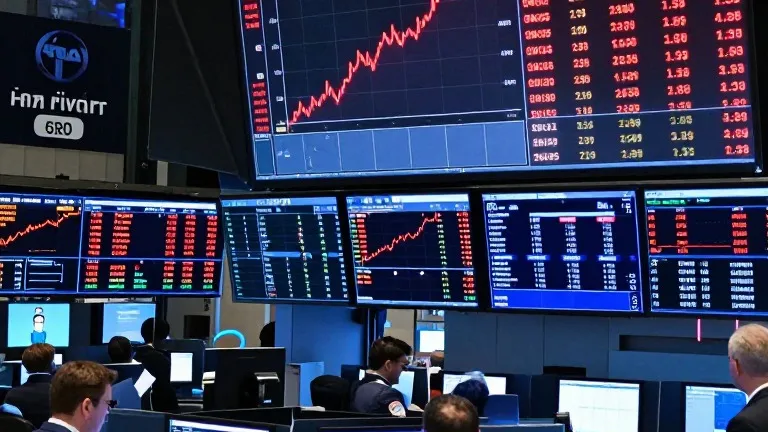
Global financial stress is also eroding the support that artificial intelligence spending has provided to the broader economy. Investors are increasingly concerned about rising corporate debt associated with data center infrastructure. This anxiety contributed to a sharp sell-off on Wall Street. While community opposition to new data centers may slow the build-out, the current market mood oscillates between expectations of a bubble and a bust.
Reserve Bank of Australia Governor Andrew Hauser has described the current mix of high inflation, low growth, and rising unemployment as a central banker’s nightmare. Chalmers, who faces growing public scrutiny, acknowledged the strain on households during an interview with Politico. He noted that some drivers of cost of living are outside Canberra’s control, specifically citing conflicts in the Middle East and Eastern Europe that are pushing up global inflation.
Domestic economic conditions add to the complexity. High government spending is viewed as a headwind for the inflation fight, a point frequently raised by opposition parties. Productivity growth has stalled, meaning the economy hits its capacity limits faster, which sustains higher inflation at lower growth rates. Chalmers stated that the government remains a hostage to decisions made in Washington, Tehran, and Eastern Europe.
Policy options available to Chalmers carry distinct trade-offs. A temporary cut to the fuel excise tax would lower petrol prices but reduce the government’s fiscal position, making it harder for the Reserve Bank to combat inflation. Conversely, large spending cuts in the December update would aid the central bank’s mission but could deepen the economic slowdown and raise unemployment. The government has yet to announce a final approach to these competing pressures.
Hauser characterized the current environment as a world of hard choices where resolving one issue often exacerbates another. The December budget update will serve as the first major test of how the government navigates these constraints without worsening the overall economic outlook.
Source: The Guardian
More Business · World news · Bad Business · Report a business