Nvidia Board Orders Independent Audit of CEO Links to Chinese Spy
Jensen Huang admits to a romantic relationship with a suspect in a foreign intelligence plot, triggering a review by the company's board of directors.
By Lorenzo Evans ·

Nvidia has launched an independent review of its founder and chief executive officer, Jensen Huang, following reports that he maintained a close relationship with a woman identified as an asset for Chinese intelligence. The company announced the decision on Sunday, stating that the board initiated the probe to address allegations that Huang was the target of a foreign intelligence effort. The review will assess the extent of the connection between the Nvidia leader and the alleged spy, who is not related to the CEO.
The scrutiny began with a report in October by The New York Times. The article detailed allegations that Alice Huang, an executive at the Singapore-based datacenter firm Megaspeed, passed commercial information to Beijing. American officials had previously suspected the businesswoman of smuggling Nvidia chips to China, leading to surveillance operations. Intelligence assessments later concluded that she acted as an agent for China's Ministry of State Security.
In a draft email to employees reported by Axios and seen by Reuters, Huang acknowledged a romantic relationship with the suspect. He accepted full responsibility for the situation, writing that he was unfaithful to his wife and that his actions hurt her and their children. He stated there was no excuse for what he did. Nvidia did not immediately respond to requests for comment regarding the specific details of that email.
The company's board of directors issued a statement saying it has no reason to believe that US national security or proprietary secrets were compromised. The board emphasized that it prioritizes US national and economic security as paramount to the interests of the company and its shareholders. Directors expressed confidence in Huang and his leadership team, noting they would provide further updates as the inquiry progresses. Huang has committed to cooperating fully with the process.
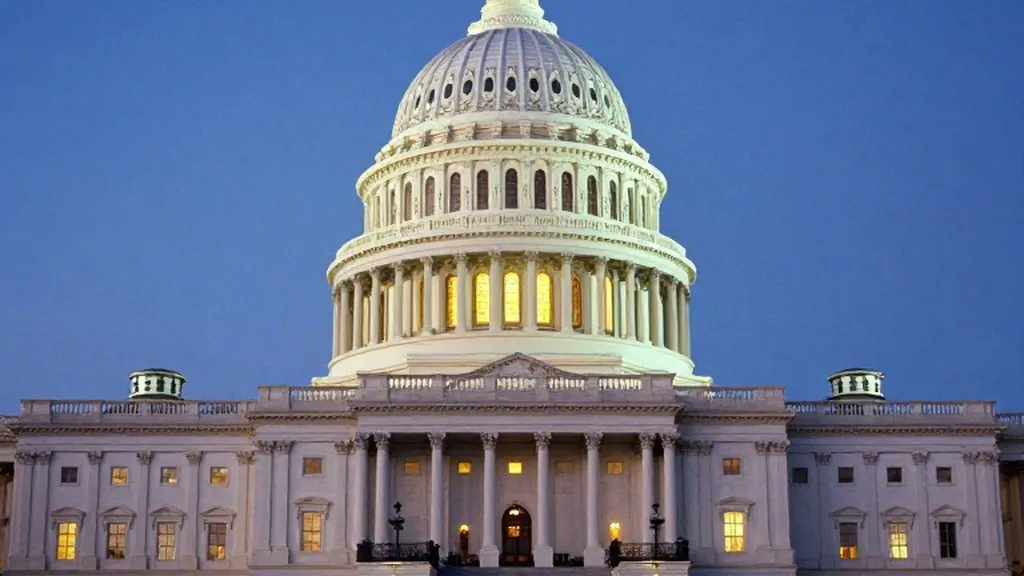
Congressional action is also underway. The Republican-led foreign affairs and intelligence committees of the US Congress have requested Huang to testify at a closed-door briefing next week. The session will focus on Nvidia's security protocols regarding foreign adversary espionage. This congressional move follows a memo drafted by US Secretary of State Marco Rubio and circulated among top policymakers in the Trump administration last spring. That memo cited intelligence indicating the businesswoman was a spy for China.
Despite these concerns, Huang and his wife, Lori Huang, were invited to a state dinner at the White House in September for Chinese President Xi Jinping. They were seated at the top table with President Donald Trump and Xi. The incident underscores the tension between the US administration's efforts to maintain its leadership in AI development and its strict export controls on advanced chips.
Nvidia's processors are central to the global artificial intelligence boom, placing Huang in a highly influential position. US officials have justified export restrictions by citing threats to the supply chain and national security risks. Treasury Secretary Scott Bessent has suggested that China could face sanctions for the theft of US data and intellectual property. The administration has imposed limits on advanced AI chip exports to prevent the company from selling its top-tier processors to customers in China.
The investigation arrives during a turbulent period for AI technology firms on Wall Street. A sell-off of tech stocks that began earlier in the month accelerated after disappointing earnings reports. This led to a decline of nearly $1 trillion in value on the Nasdaq exchange in one week and erased approximately $2 trillion in a month. Nvidia, previously valued at about $5 trillion, saw a 3.1 percent drop, making it the heaviest factor pulling the S&P 500 downward recently.
More Business · World news · Bad Business · Report a business · Got a Story?