Michigan Splits Cost of Electric Refuse Fleet
State grants will pay half the price for up to 20 battery-electric garbage trucks in three high-population counties.
By Khalid Khalil ·
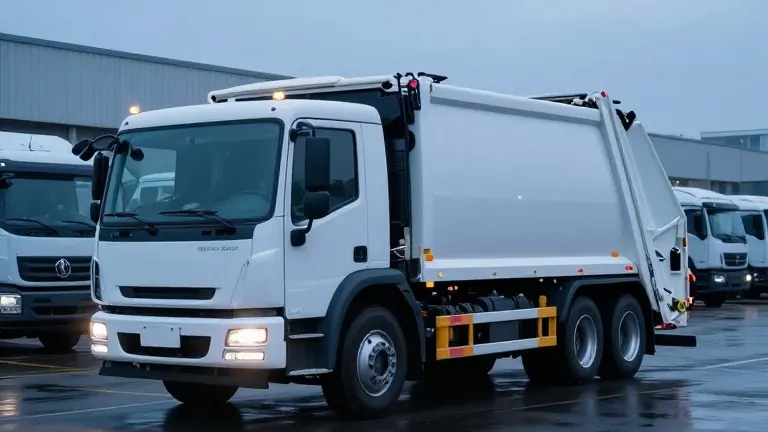
Local waste management operators in Michigan can now apply for state funding that covers 50% of the purchase price for battery-electric garbage trucks. The Michigan Department of Environment, Great Lakes and Energy allocated more than $4 million to the program. At an estimated cost of $500,000 per vehicle, the state projects the funds will enable the acquisition of approximately 20 new trucks. Local governments and private companies must supply the remaining half of the cost for each unit.
The state has designated Macomb, Oakland, and Wayne counties as priority zones for these grants. Officials cited the density of long-standing environmental and public health challenges in these regions as the primary reason for the focus. The department stated the initiative aims to reduce diesel emissions and modernize heavy-duty vehicle fleets while improving air quality.
The push for electrification in waste management has been gradual. The city of Ann Arbor has already integrated four electric vehicles into its fleet of 28 total garbage trucks. This early adoption provides a practical baseline for other communities considering the switch. The state’s current grant pool seeks to accelerate this transition beyond early adopters to a larger number of municipalities.
Simi Barr, a senior analyst for municipal operations in Ann Arbor, noted that infrastructure remains the central hurdle for expansion. Barr emphasized that the ability to ensure vehicles are charged and available for daily shifts is a primary consideration for any fleet. The physical design of the trucks and their routes also play a technical role in battery viability.
Barr explained that stop-and-go traffic patterns allow batteries to recharge through regenerative braking. This mechanism makes rear-load and side-load trucks, which require frequent stops, more suitable for electric power than trucks operating on highway routes. The energy recovery from braking offsets the high power demands of lifting and compacting waste.
Haaker Refuse, a California-based dealer for McNeilus Refuse, identified low energy costs per mile and the elimination of tailpipe emissions as key benefits of the technology. The state’s grant program is currently open for applications from eligible local governments and private waste management firms in the designated priority counties.
The department described the grants as a tool to support the deployment of advanced heavy-duty vehicle technologies. The allocation is part of the state’s wider decarbonization goals. With the $4 million pool and the 50% cost-share structure, the program is structured to maximize the number of diesel trucks removed from service in the state's most populated areas.
Source: Planet Detroit