Louisiana loses wetlands faster than any state in the country
Millions of migrating geese depend on the disappearing coastline at the mouth of the Mississippi River for their winter survival.
By Lorenzo Evans ·
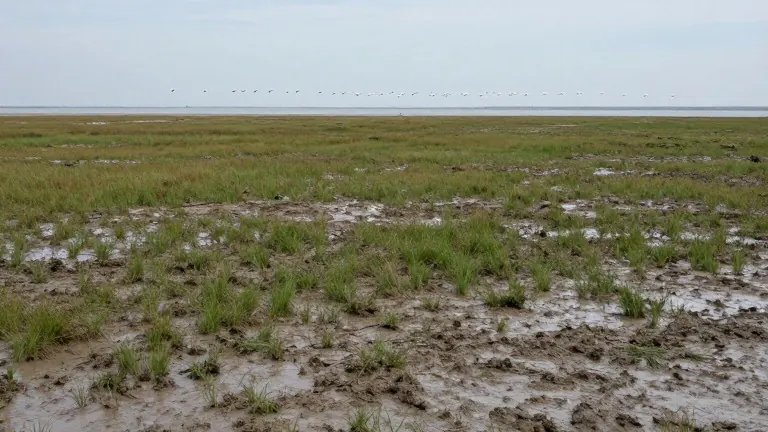
The mouth of the Mississippi River serves as a critical winter destination for millions of birds traveling south each year. A new investigative report examines the rapid disappearance of the wetlands that support this migration.
More than 300 species of birds travel along the Mississippi Flyway during the winter months. Annual surveys estimate that three million snow geese select Louisiana and Texas as their primary wintering grounds. These areas provide essential habitat for the flocks.
Louisiana is currently losing its coastal wetlands at a rate higher than any other region in the continental United States. This rapid decline threatens the natural environment where the birds rest and feed during their annual migration.
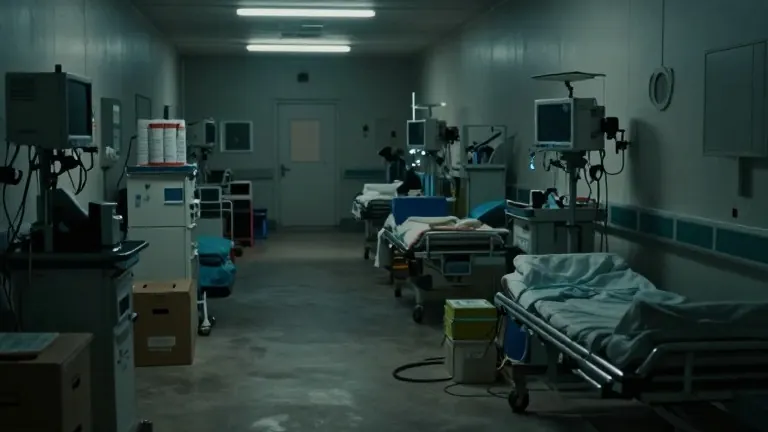
The report also details the medical case of Star Button, an Atlanta mother who underwent a routine procedure that turned into a long hospital stay. Button suffered from chronic pain and excessive bleeding for years due to noncancerous tumors known as fibroids. These health issues interfered with her ability to work and conduct her daily life.
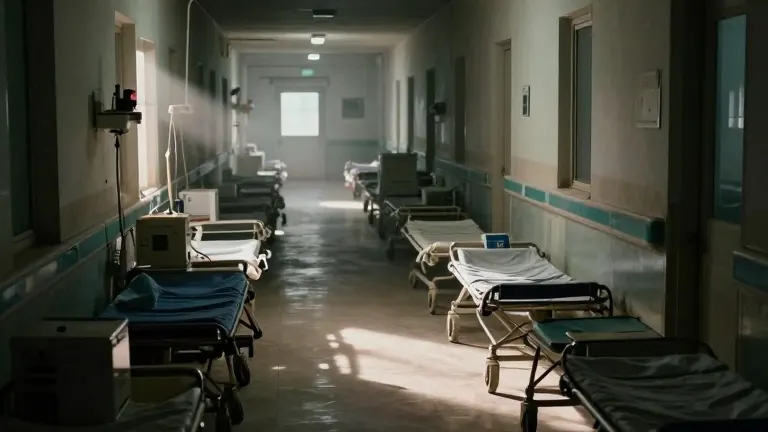
Doctors confirmed the source of her symptoms and Button chose a robotic hysterectomy at Southern Regional Medical Center. She expected to return home the same day as her check-in. Instead, she remained in the hospital for nearly three months. Her case has sparked questions regarding medical accountability in surgical procedures.
Other segments of the report focus on new ways for individuals to earn extra income. Rental platforms allow people to list items they already own, such as tools or equipment, to customers who need them for a short period. This method lets users generate cash on their own schedule without taking on a traditional part-time job that requires in-person work.
The final segment follows Gil Ames, an ordained minister and artist who paints miniature scenes on seashells. Ames spent 25 years working as a long-haul truck driver, which led him to choose seashells as his medium because they were portable. He has also volunteered with the Red Cross during 52 national disasters, including the response efforts at ground zero in New York.