Trump Names Stephen Miller Chief of Staff After Republican Midterm Losses
Stephen Miller will replace Susie Wiles on Monday as the White House prepares to face a Democratic-controlled Congress.
By Evelyn Adeyemi ·
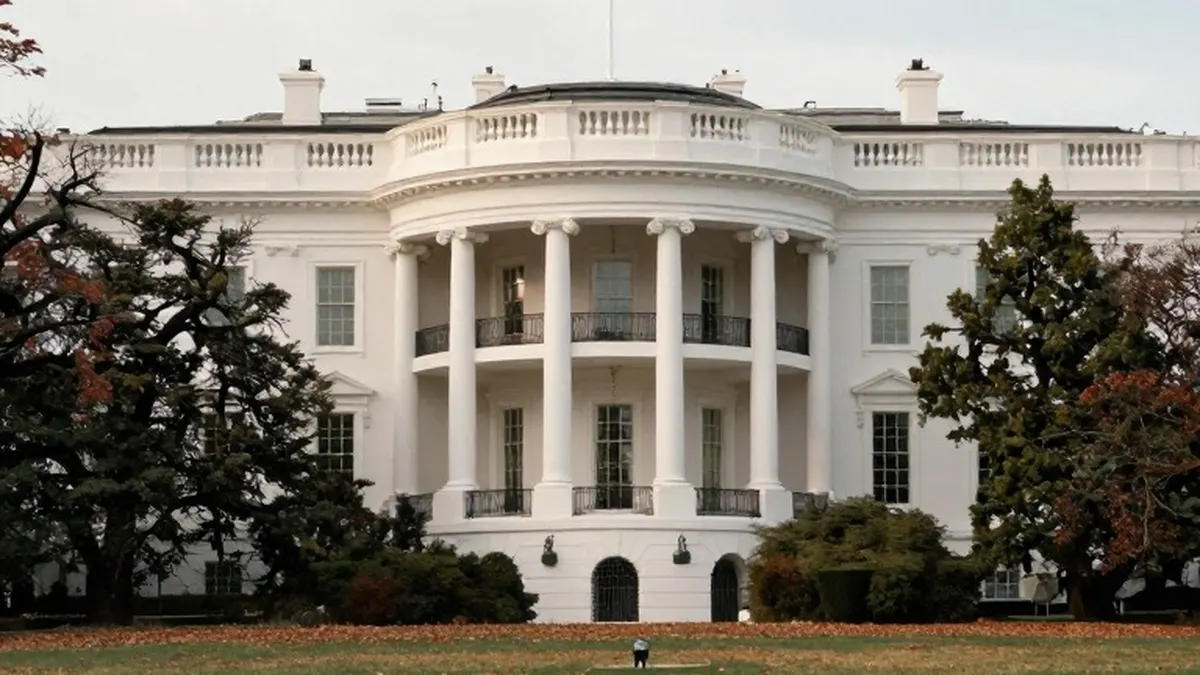
President Donald Trump announced Friday that Stephen Miller would succeed Susie Wiles as White House chief of staff after Republicans lost control of both chambers of Congress in the midterm elections. The appointment takes effect Monday, placing the 41-year-old immigration policy architect in charge of White House operations, presidential access and the flow of issues to Trump's desk.
Miller has spent a decade helping turn Trump's political priorities into speeches, executive orders and government policy. His promotion brings one of the president's most uncompromising advisers into a role that will also require coordination among cabinet members and senior officials, alongside dealings with a Congress controlled by Democrats.
Raised in Santa Monica, California, in a Jewish family with Democratic roots, Miller adopted conservative views as a teenager. He challenged teachers and classmates over immigration and multiculturalism before attending Duke University. After graduation, he worked for Republican lawmakers, including Alabama Senator Jeff Sessions, and joined Trump's presidential campaign after its launch in 2015, helping develop its immigration messaging.
During Trump's first administration, Miller helped shape restrictions on entry from Muslim-majority countries, cuts to refugee admissions and the policy that separated children from their parents at the Mexican border. Those measures faced legal challenges and widespread criticism. Miller remained close to Trump after the 2020 election defeat and co-founded America First Legal, which challenged policies enacted during Joe Biden's presidency.
Miller became deputy chief of staff for policy and homeland security adviser when Trump returned to office in January 2025. Axios reported that May that Miller and then-homeland security secretary Kristi Noem had demanded at least 3,000 daily arrests by Immigration and Customs Enforcement, approximately triple the rate at the start of the second term. His work has also included efforts to limit asylum, restrict legal immigration and alter the constitutional interpretation underpinning citizenship for people born in the United States.
His responsibilities have expanded into disputes with universities, efforts to eliminate diversity and inclusion programs, and foreign policy discussions involving Venezuela and Latin American drug cartels. According to The New York Times, Miller argued for ending the war in Iran while making his case for the chief of staff position. People who heard his remarks said he warned that some Trump supporters considered the campaign a breach of promises to avoid prolonged Middle Eastern wars.
Miller's immigration positions have drawn criticism from relatives and Jewish religious leaders. His maternal uncle, David Glosser, argued in 2018 that the family's ancestors, who escaped persecution in Europe, might have been excluded under policies Miller supported. Miller has rejected criticism and previously attributed some attacks to antisemitism. Republican Jewish Coalition executive director Matt Brooks welcomed his appointment and praised his influence within Trump's movement.
Democratic leaders responded sharply. House Democratic leader Hakeem Jeffries called Miller a "dangerous xenophobe," while Senate Democratic leader Chuck Schumer said the selection showed Trump had learned nothing from the election losses. Representative Robert Garcia, expected to chair the House Oversight Committee, said Democrats would keep investigating Miller's role in deportation policies.
Speaking at Mar-a-Lago after the announcement, Miller promised Trump his "absolute loyalty" and described the appointment as the greatest honor of his life. His new responsibilities will test his ability to manage the administration while pursuing its priorities amid Democratic control of Congress.