Ireland Offers 10.5% Pay Hike to Avert Strikes During EU Summit
Lower-earning civil servants could see raises as high as 17.8% in a proposal that lands just days before 50 heads of state arrive in Dublin.
By Evelyn Adeyemi ·
The Irish government has proposed a 10.5 percent pay increase for public sector employees as negotiations enter their final phase before nationwide strikes scheduled for Thursday. The offer is designed to break a deadlock that threatens to disrupt the country’s host duties for its European Union presidency.
While the headline figure stands at 10.5 percent, the proposal includes tiered increases for lower-earning staff. Some civil servants would receive wage hikes reaching 17.8 percent over the life of the deal. The agreement would remain in effect through the early months of 2029.
Employees would also receive a back payment in 2026. This amount is set at the higher of 1,200 euros or 2 percent of their salary. When combined with the standard raise, total pay increases for 2026 would amount to 4 percent.
Negotiators met on Sunday after a weekend where talks nearly collapsed. Further sessions are planned for Monday morning. Union leaders have described the discussions as very difficult, and some pessimism remains regarding the new numbers.
Tánaiste Simon Harris stated that the government has tabled a substantially revised and improved offer. He noted that the strikes are not inevitable and that the EU presidency events can proceed effectively even if walkouts occur. Harris warned, however, that strike action is not consequence free, arguing that the mandate for action was established before this new offer was presented.
Union representatives indicated on Sunday that they would make one more attempt on Monday to secure improvements from the coalition. Senior union officials expressed unhappiness after details of the pay offer were reported in the media. They viewed the reporting as an effort to undermine their negotiating position.
Kevin Callinan of the Fórsa union, which has the highest number of members involved in the dispute, told members that preparations for the stoppage and associated rallies are well under way. Callinan stated that any new agreement must deliver more than the 10.25 percent seen in the previous deal. The unions are currently seeking higher increases or guarantees that protect members from inflation.
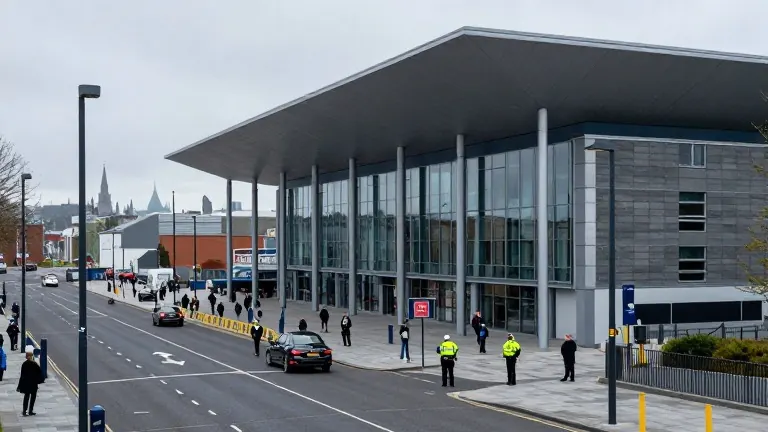
The timing of the dispute coincides with high security concerns in Dublin. Dozens of world leaders are expected to attend meetings this week, marking the largest event of Ireland’s EU presidency. Gardaí and Defence Forces are planning for potential disruption following a series of bomb threats against media outlets and European airlines.
Security sources indicated that drone activity could pose issues as leaders travel to and from the Convention Centre in Dublin’s north inner city. One source noted that cyber-related incidents or other acts of chaos or embarrassment are also possible. Senior officers expressed disappointment that the security work to manage the week could not be halted.