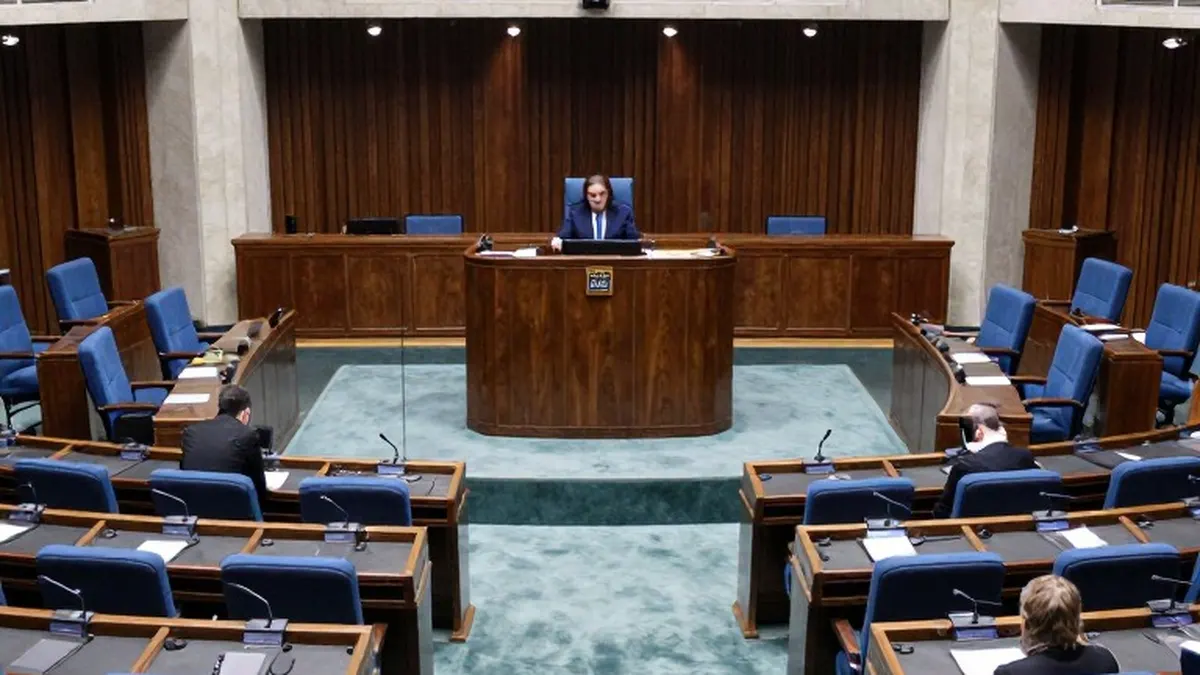
Iraqi prime minister faces militia decisions as Iran border crossings shift
Reports of changes at two crossings with Iran come as Prime Minister Ali al-Zaidi considers arrests targeting Iranian-backed militias and faces pressure over their disarmament.
By Lorenzo Evans ·
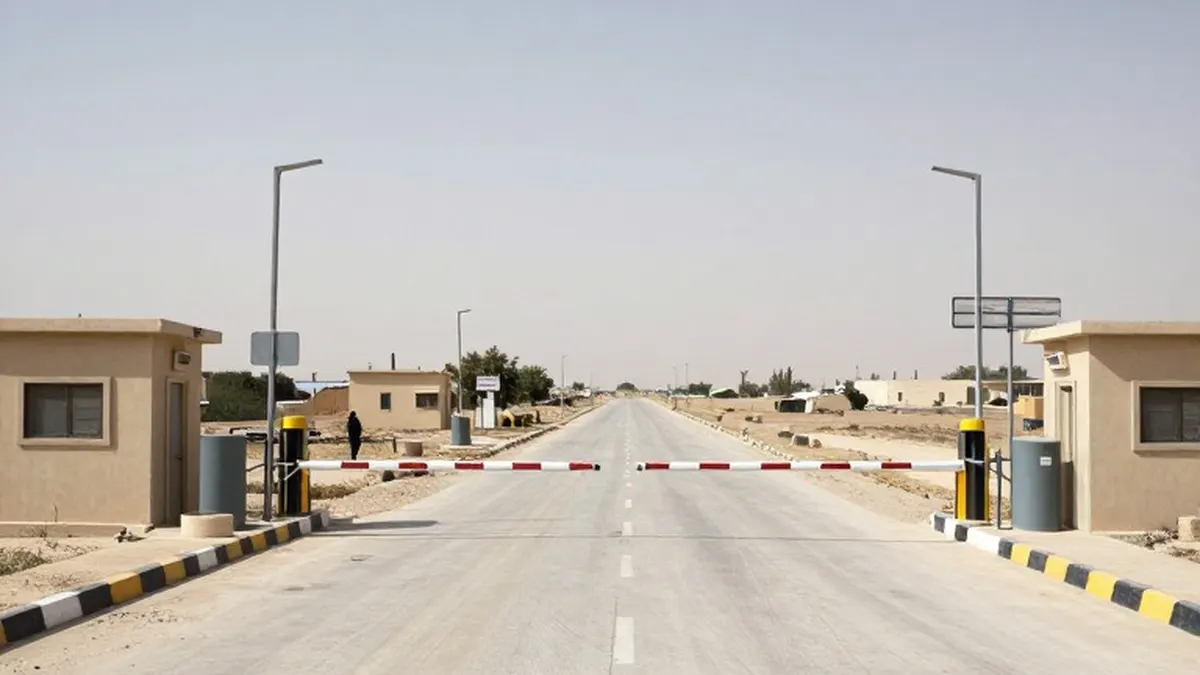
Iraqi Prime Minister Ali al-Zaidi is considering whether to launch an arrest campaign against Iranian-backed militias as his government manages border crossings with Iran. Reports on Monday indicated that Iraq was closing the Mandali crossing in Diyala province, part of a US pressure campaign aimed at preventing weapons from being smuggled into Iran through its land borders.
A separate decision pointed toward renewed movement at another crossing. Rudaw reported that Iraq had decided to reopen the Sheeb crossing with Iran after it had been closed for weeks. The contrasting developments come as al-Zaidi weighs how to proceed with his pledge to bring Iranian-backed armed groups under control.
Al-Zaidi took office earlier this year, following months of uncertainty after Iraq’s November 2025 election. He has received backing from US President Donald Trump. His initial timetable called for the militias to surrender their weapons by September 2026, coinciding with the departure of US forces from Iraq. After the groups delayed, he extended the deadline, allowing them to retain their weapons until June 2027.
The prime minister is now weighing arrests as another possible step against the militias. Kataib Hezbollah, a prominent Iranian-backed group in Iraq, has intensified its rhetoric against him in recent days. The group may also have been responsible for an attack on the Khor Mor gas field in the Kurdistan Region, although its involvement remains uncertain.
Diplomatic contacts with Iran have continued alongside those tensions. Al-Zaidi apparently made a recent visit to Iran that was not announced. An Iranian delegation also travelled to the Kurdistan Region in northern Iraq for a meeting. Meanwhile, Iran is appointing a new ambassador to Iraq drawn from the Islamic Revolutionary Guard Corps.
Iran maintains influence in Iraq through armed groups and Shi’ite political parties, including the parliamentary Coordination Framework. Some organisations operate in both spheres. The Badr Organization, for example, combines a militia with a political organisation, illustrating the overlap between armed power and parliamentary activity.
The decisions facing al-Zaidi also concern infrastructure vulnerable to attack. The Khor Mor gas field supplies fuel for a substantial share of the electricity needed in the Kurdistan Region. Attacks on such facilities can disrupt essential services, adding an economic dimension to the confrontation over militia weapons and influence.