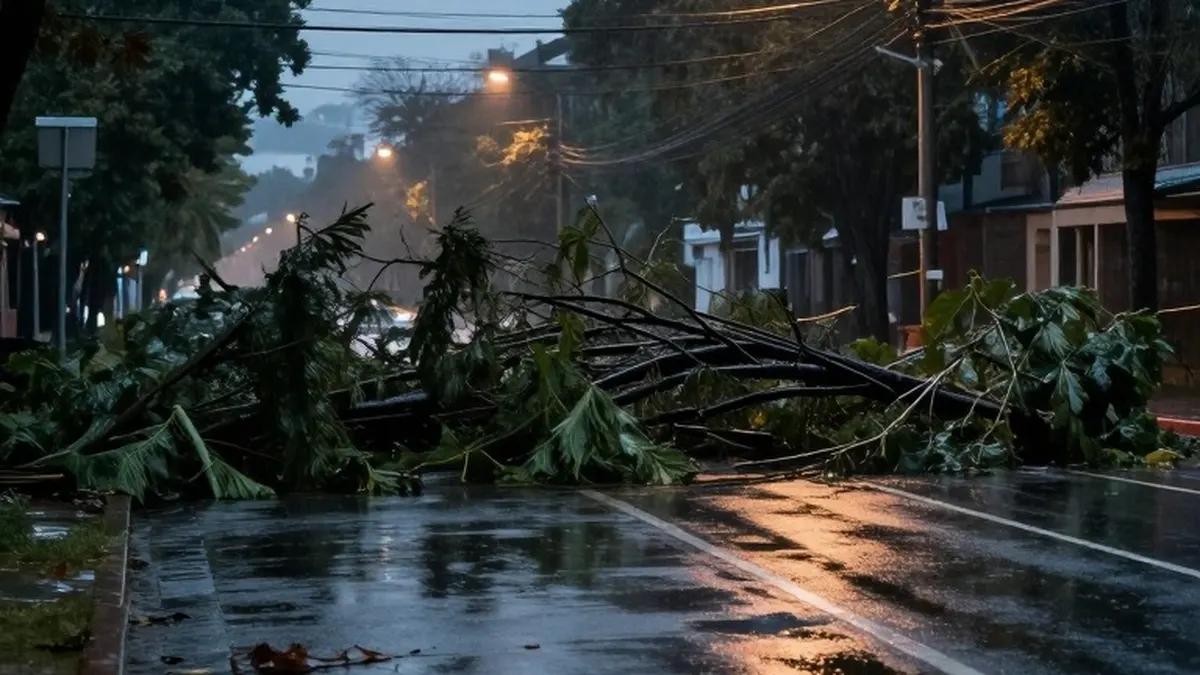
Houthi strikes challenge Saudi Arabia's image of stability
As drone and missile attacks intensify on the kingdom, residents and visitors navigate a complex reality of daily normalcy and sudden alerts.
By Evelyn Adeyemi ·
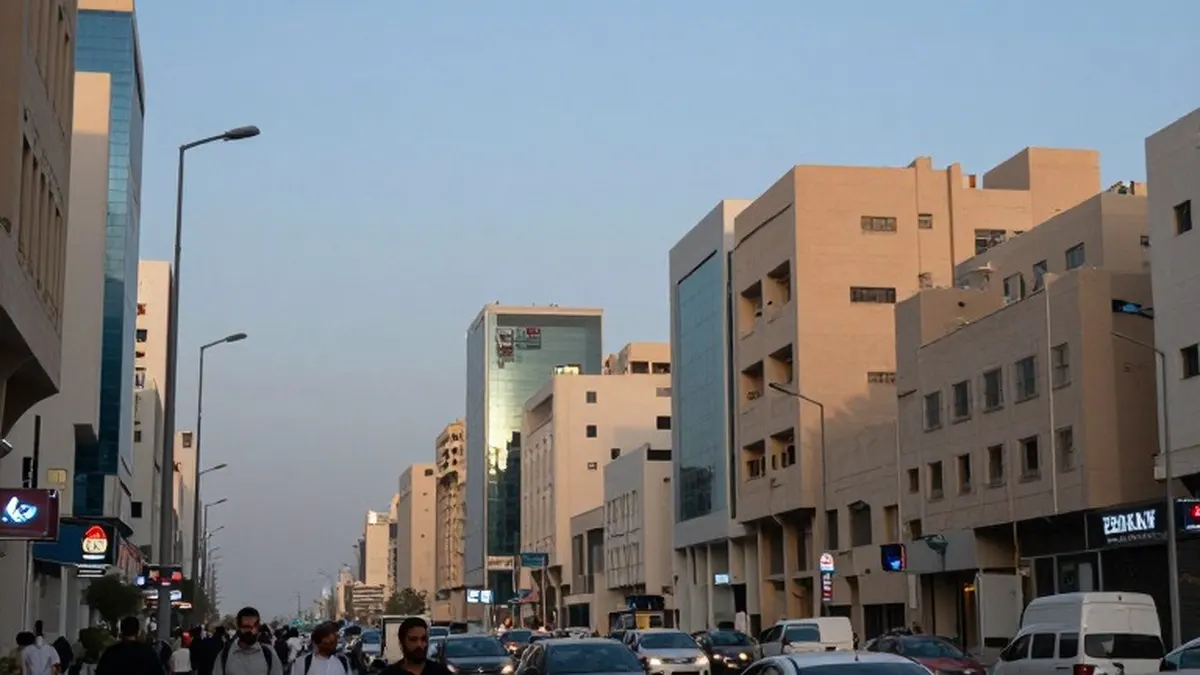
Abu Khalil, a Yemeni refugee who fled Sanaa ten days ago, now sells socks on the streets of Riyadh. He crossed the front line and hitched a ride into Saudi Arabia to support his wife and four children, who remain in the Yemeni capital. He requested anonymity because he fears for their safety if he is identified speaking out against the Houthi armed group. "I ran away from the Houthis but I couldn't bring my family with me. May God protect them," he said.
The Houthi movement, backed by Iran, has controlled much of northern Yemen since the civil war began more than a decade ago. It is currently battling the internationally recognized government, which receives support from Saudi Arabia. Following the unraveling of an informal ceasefire in July, the Houthis have escalated attacks on Saudi territory. They claim these strikes are retaliation for deadly Saudi air strikes in Yemen and a blockade of ports and airports in their controlled areas.
One significant strike occurred on October 10 at Riyadh's international airport, where 13 people were killed and more than 300 were injured. It marked the deadliest attack on Saudi soil in years. Majid, a 25-year-old engineer working for the state oil company Aramco, was at the airport that day heading to Jeddah for a pilgrimage. He described seeing a mother with children in a pushchair when the terminal was hit and later saw a man covered in blood. "The threat is real," Majid said, "But I will not let the Houthis make me feel unsafe in my own country."
Data from the Armed Conflict Location and Event Data Project indicates that there were 274 attacks on Saudi Arabia between July 1 and November 25. While most were intercepted, at least 41 were not, and some interception debris caused damage. Drones were used in almost two-thirds of these incidents, and ballistic missiles were involved in more than half. In the previous five months, only one Houthi attack had been recorded.
The Houthis have developed a sophisticated arsenal that allows them to strike deep into Saudi territory. Previously, attacks were concentrated near the Yemeni border, but the capital, located more than 700 kilometers away, is now regularly targeted. This month, two prominent skyscrapers in Riyadh's financial district were hit, including the Public Investment Fund Tower and the Aramco building. Eleven people were injured in the strike on the PIF Tower.
Saudi Arabia has invested billions to transform its cities and attract international investment by projecting an image of safety. The recent attacks have tested this promise. However, the government has moved quickly to repair visible damage, such as the exterior of the Aramco tower, to maintain a sense of stability. The government has condemned the strikes as terrorist attacks on civilian and economic facilities and stated it would take all necessary measures to defend itself.
Despite the threats, life in Riyadh appears largely normal to many residents. Restaurants are busy, and families shop at centers. However, strict censorship laws make open discussion of the conflict difficult. Badr, a local resident, said he sleeps comfortably and praised the security forces. Another man, Rashid, noted that the market is booming and business is going on. Yet, this normalcy is periodically interrupted by phone alerts and the loud booms of air defense systems intercepting incoming missiles.
British expatriate Alex Malouf, who has lived in Saudi Arabia on and off since 2006, worries about the psychological impact on his 11-year-old daughter. "There have been times when my daughter has said, 'Daddy, I'm scared. It has been something which I think has shaken our reality," he said.
Meanwhile, the conflict in Yemen continues to intensify. The Houthis have captured territory along the Red Sea coast and threaten routes to Aden. Fighting around Taiz has restricted humanitarian supplies, leaving more than 800,000 people cut off, according to Unicef. More than 360,000 people have been displaced since August, and the UN Human Rights Office has verified 323 civilian casualties, including 76 killed. A Saudi-led coalition has responded with intensified air strikes, including one in Sanaa that killed 44 people, according to Houthi authorities.
Abu Khalil hopes to bring his family to Saudi Arabia soon. He says he will not return to Yemen until the Houthis are gone, preferring the relative safety of the kingdom despite the ongoing alerts and attacks.