ICC Deputy Prosecutor: Sanctions Hit Staff Banks, But Cases Move On
Nazhat Shameem Khan reports that banking difficulties are emerging for staff despite a six-month grace period, while the court continues to switch providers and pursue investigations.
By Khalid Khalil ·
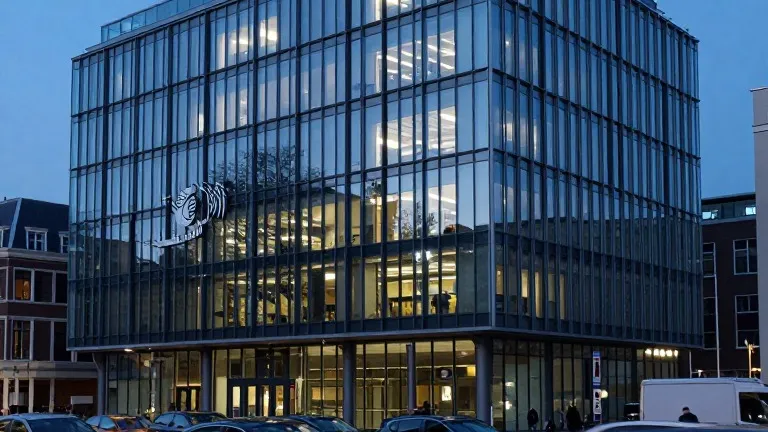
Staff at the International Criminal Court are already facing banking difficulties, even though official US sanctions do not take effect for another six months. Nazhat Shameem Khan, the deputy prosecutor, said the current strain is due to banks "over-complying" to minimize risk while the full scope of the measures remains unclear. She noted that although the sanctions target the institution, individual members are experiencing direct hurdles in their daily financial lives.
The US Secretary of State, Marco Rubio, announced the penalties on 9 October. He labeled the court a "rogue court" and declared that either the ICC would end its threats or Washington would end the ICC. Rubio granted a six-month window for the court to negotiate a solution, though the specific requirements for satisfaction remain undefined.
Khan, who is co-running the prosecutor's office until a new chief is appointed, stated that investigations into the Gaza war and other situations have made substantial progress since November 2024. That is when arrest warrants were issued for Israeli Prime Minister Benjamin Netanyahu and former Defense Minister Yoav Galant. No new charges regarding Gaza have been publicized since late 2024 because a court ruling earlier this year mandated that all warrant applications remain secret until judges approve their release.
"Even if we reach a stage of the investigations where it might be imminent, we may not discuss it publicly," Khan said. "And so while there might be an appearance that nothing is happening, I can assure you that there's significant progress in that particular situation as well as others."
To reduce its reliance on American systems, the court is switching its software from Microsoft to European alternatives. It is also negotiating with service providers regarding banking and health insurance. Khan confirmed that no decisions have been made to reduce the court's capability or output based on the sanctions. She acknowledged, however, that predicting the full impact once the measures officially begin is difficult.
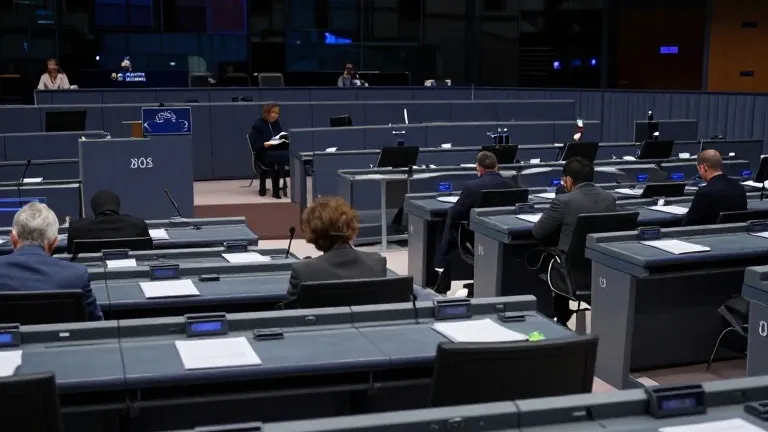
The court is seeking protection from the European Union. The ICC registrar is currently negotiating with the EU to block the sanctions or secure other forms of support. On Thursday, the European Parliament awarded the court and its officials the Sakharov prize for freedom of thought. Khan called the award an important message for the staff, noting that the attention reflects the court's relevance to victims seeking justice outside of political channels.
Khan was one of 13 ICC staff targeted by US sanctions in February 2025. She described life without a credit card as inconvenient for travel and global transactions. She contrasted this personal inconvenience with the needs of victims in refugee camps, stating that for them, sanctions and credit cards are irrelevant and their primary desire is justice. The court also continues to manage internal changes, including the formal investigation into sexual harassment allegations against former chief prosecutor Karim Khan, who was removed in July after a vote by member states.
Source: The Guardian