Gaza winter rains expose shelter shortages as aid waits outside territory
Aid workers say Israeli restrictions on deliveries are leaving displaced Palestinians in deteriorating tents as rain floods camps and shelter supplies remain outside Gaza.
By Khalid Khalil ·
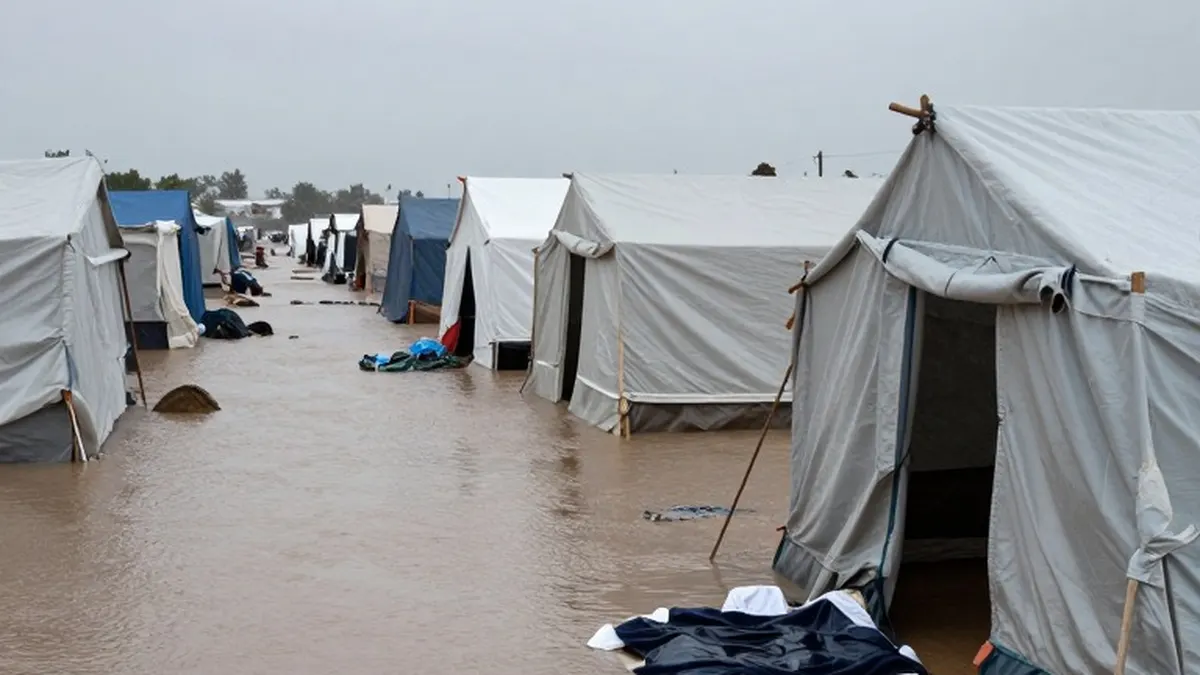
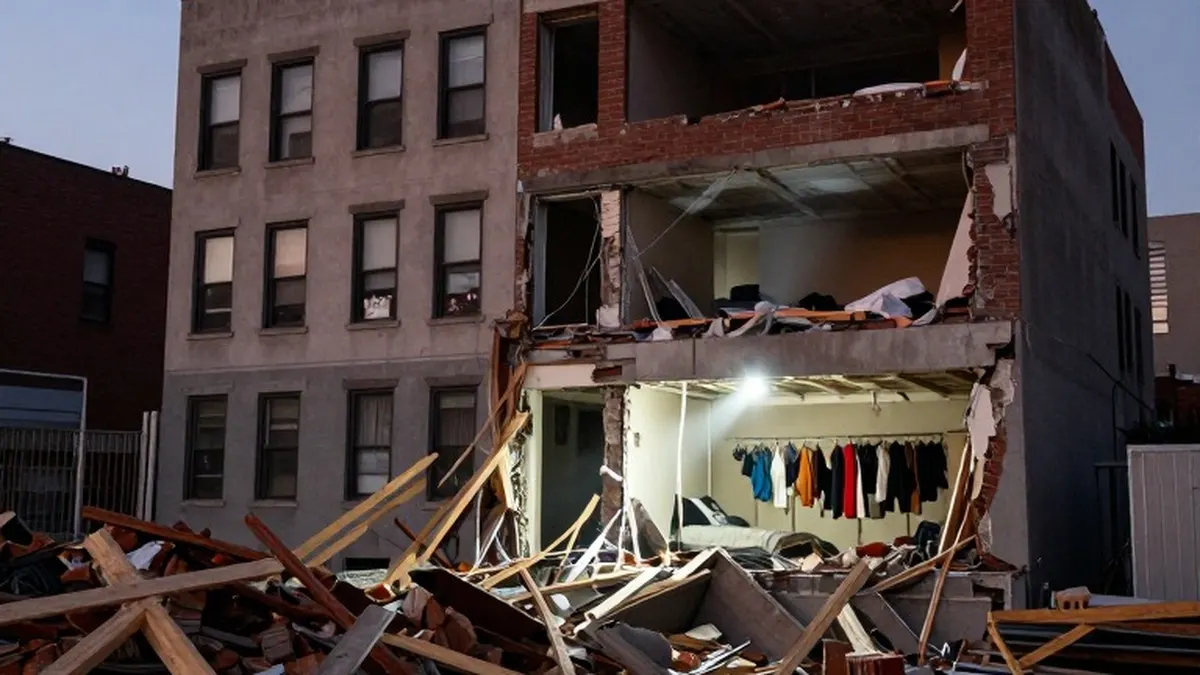
Winter rains have flooded makeshift shelters across Gaza, where aid organisations say Israeli restrictions are preventing urgently needed tents and other supplies from reaching displaced families. Around 1.4 million people, or 65 percent of the population, are staying in tents, improvised shelters or damaged buildings at risk of collapse as the territory faces its fourth consecutive winter of displacement.
Days before November 11, six-month-old Ehab Mohammad Hamad died from exposure after water flooded his family's tent. His grandmother said in a video published by the Palestinian-led Sameer Project that the family's attempts to warm him with blankets had failed. The group subsequently supplied a dome tent to the family. Hala Sabbah, who works with the organisation, told Middle East Eye she was frustrated by the limited attention his death received.
The UN humanitarian coordination office, Ocha, said on Sunday that 150,000 tents were positioned outside Gaza awaiting delivery. Sean Jones, the Gaza director of the UN agency for Palestinian refugees, Unrwa, told Middle East Eye that large quantities of tents, winter clothing and blankets remained in warehouses without Israeli approval to enter. He described the hold-ups as a concerted effort to delay deliveries. Israeli authorities classify some shelter equipment, including tent poles and mobile homes, as dual-use items.
Figures from the Palestine Shelter Cluster show that trucks bringing shelter and household supplies fell from 908 in December 2025 to 409 in January 2026. Shelter materials accounted for just nine percent of aid trucks entering in October. Following the closure of Rafah to aid in May, Kerem Shalom remains the only crossing open for aid deliveries.
The Norwegian Refugee Council reported in early October that authorities permitted only 15 trucks carrying dual-use goods on one day each week. At that pace, it estimated that winter supplies waiting outside Gaza would take at least seven months to enter. An August Shelter Cluster assessment classified approximately 1.98 million people, or 94 percent of the population, as facing crisis, critical or catastrophic shelter conditions.
Restrictions on humanitarian organisations have further constrained deliveries. Israel banned 37 international nongovernmental organisations in December 2025, including the council, Medecins Sans Frontieres and Oxfam. Although subject to a temporary injunction, the ban continues to prevent those groups from bringing in aid and international staff. Restrictions on Unrwa have also reduced shelter provision, leaving government-run committees from Egypt, Qatar, the United Arab Emirates and Saudi Arabia handling most shelter deliveries.
Palestinian mutual aid groups have bought tents locally to help fill the shortage, but prices have risen sharply. The Shelter Cluster reported a 52 percent increase in tent prices to $655, while emergency shelter kits rose 1,233 percent to $4,000. Its August assessment found that more than half of Palestinians living in tents had shelters in poor or very poor condition.
Aid workers also report that some incoming tents cannot withstand rain and require additional tarpaulins. Meanwhile, Forensic Architecture's spatial analysis found that displaced residents have increasingly been concentrated in low-lying coastal areas. The organisation's communications head, Nicola Banks, told Middle East Eye that flooding camps occupy places where Palestinians have been forcibly concentrated, often without infrastructure needed to sustain life.