EU takes IBM, Atos and Leonardo to court over delayed border entry system
The bloc's IT agency EU-Lisa filed a lawsuit in Estonia against the consortium behind the troubled entry/exit system, its annual accounts reveal.
By Evelyn Adeyemi ·
The European Union's IT agency has launched legal action against IBM and two European technology firms over their role in the bloc's problem-plagued border management system, according to an internal document.
EU-Lisa brought the case last year against IBM, French IT company Atos and Italian defence contractor Leonardo, which together formed the consortium contracted to implement and maintain the entry/exit system, known as the EES. The system went live in October 2025.
The agency's move was disclosed in its latest annual accounts, which state that "following the various delays in the delivery of the EES by a contracting consortium the agency activated the available contractual and legal remedies to protect its financial interest".
According to EU-Lisa, the claim was lodged on 22 December 2025 with a court in Estonia, the country where the agency is headquartered. The agency has been approached for comment.
The lawsuit was first reported by the Financial Times, which cited the agency as declining to comment on the legal proceedings while stressing that the case had "no impact on the functioning of the Entry/Exit System (EES), which is fully operational across Europe".
The European Commission said it was not a party to the dispute. It noted that the case concerned "delays in the delivery of the EES at the time of system development" and was "not related to the operation of the EES".
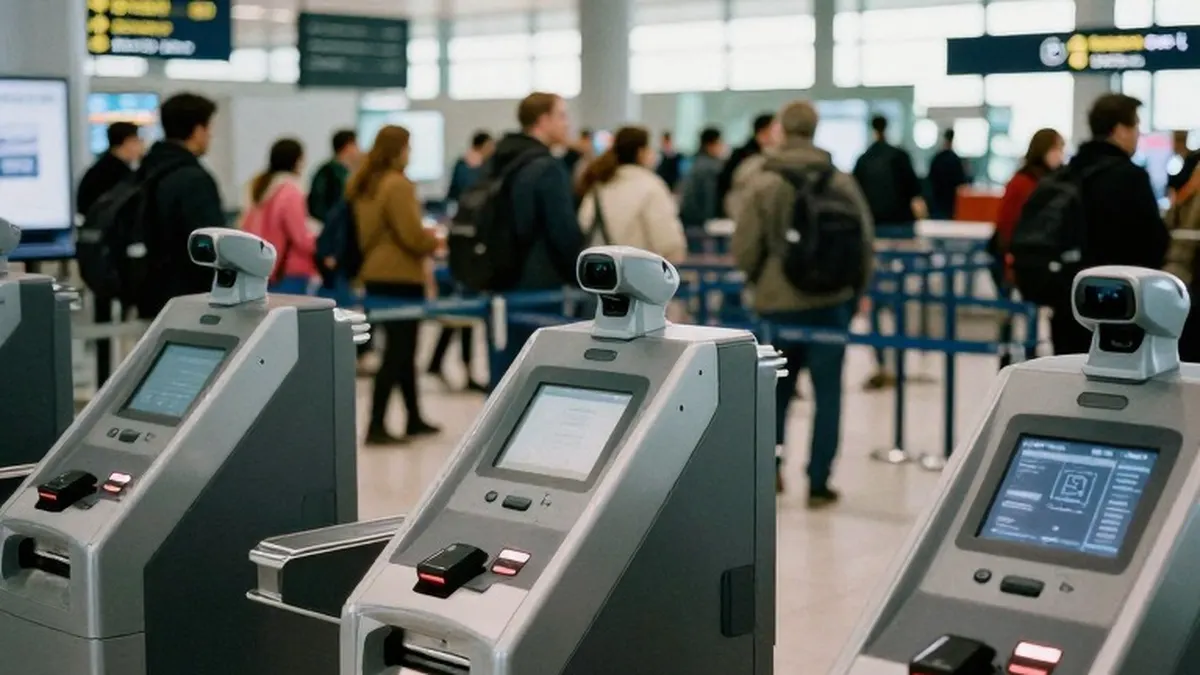
Since its launch, the system has been dogged by difficulties. Airports have reported everything from malfunctioning EES kiosks to repeated outages, with waiting times stretching to three hours during peak periods. Some passengers have missed their flights because of delays attributed to the new technology and shortages of border staff.
The EES introduced tougher security screening for travellers entering the EU from outside its border-free travel zone. Passengers must have their faces photographed and their fingerprints scanned before being admitted to the Schengen area, which covers 25 of the 27 EU member states along with Iceland, Liechtenstein, Norway and Switzerland.
The checks affect anyone who is not a citizen of one of the 29 Schengen countries, Ireland or Cyprus. Responsibility for running the system lies with EU-Lisa, the bloc's agency for large-scale IT systems in the field of justice and security.
IBM, Leonardo and Atos have all been contacted for comment.