COP31 Opens: Leaders Face 1.5 Degree Overtake
Negotiations begin in Antalya as the global temperature limit set in 2015 is projected to be exceeded, with the Strait of Hormuz crisis adding urgency to energy policy discussions.
By Lorenzo Evans ·
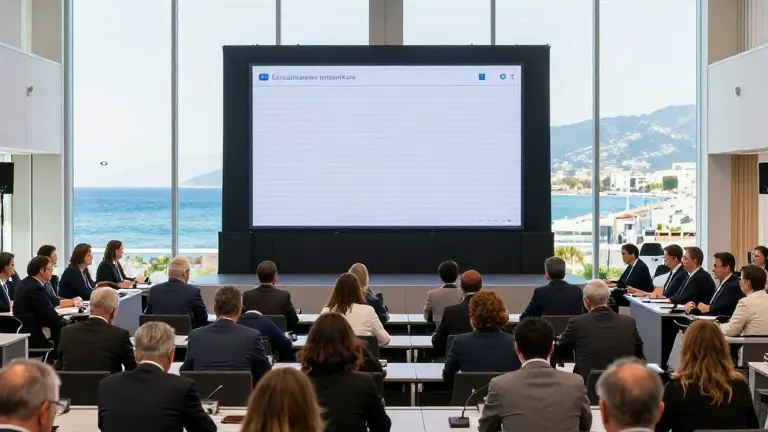
World leaders and delegates began negotiations on Monday in Antalya, Turkey, to address a climate crisis that now includes a confirmed breach of the 1.5 Celsius warming threshold. The gathering, known as COP31, marks the first Conference of the Parties where the 2015 Paris Agreement goal is considered statistically impossible to meet. Climate scientists state that global average temperatures will now exceed 1.5 Celsius above early 1800s levels, a milestone that has defined international climate policy for a decade.
The summit arrives amid heightened global tensions. The war in Iran has effectively closed the Strait of Hormuz, a key route for oil and gas. This disruption has driven up the prices of gasoline, fertilizers, and pesticides. These economic pressures are forcing governments to reconsider their energy strategies. Many are looking to increase investment in wind and solar power as a hedge against fossil fuel volatility.
Turkish Environment Minister Murat Kurum, who serves as the president of COP31, framed the challenge for delegates. “This is the first COP where it is clear beyond a reasonable doubt that the world will overshoot the 1.5-degree target,” Kurum said. “We will not look away, and we will not lower our ambition.” He emphasized that the summit will prioritize implementing existing promises over setting new numerical targets.
Kurum introduced an “Action Agenda” focused on practical steps rather than theoretical goals. The plan includes reducing methane emissions and building climate-resilient cities. A central pillar of the agenda is electrification. Delegates aim to increase the share of electricity in the global energy mix from 21% to 35% by 2035. This shift is intended to rely heavily on renewable sources to cut greenhouse gas emissions from burning oil, gas, and coal.
Negotiations will also address the financial burden on developing nations. Poorer countries require funding to adapt to rising temperatures and extreme weather events. They also need support to transition away from fossil fuels. This issue follows criticism of the previous two summits. COP30 in Brazil and COP29 in Azerbaijan concluded with limited agreement on emission reductions. The final texts of those agreements did not even mention fuels, a departure from the language agreed upon at COP28 in Dubai.
The United States, the world’s second-largest polluter after China, is absent from the talks. President Donald Trump withdrew the nation from climate negotiations during his first term and again upon taking office for a second time in January 2025. This absence shapes the dynamics of the conference, as delegates attempt to build consensus without the participation of a major industrial economy.
U.N. Climate Change Executive Secretary Simon Stiell offered a measured assessment of the summit’s potential. “No single COP is a silver bullet that can stop climate change overnight,” Stiell said. “But every recent COP has made essential progress. COP31 in Antalya will, too.” The joint hosting arrangement between Turkey and Australia reflects a compromise after the two nations competed for the role. Turkey is the official host, while Australia leads the negotiations. Both countries face criticism for their heavy reliance on coal.
The conference is scheduled to run through November 20. Delegates will work to finalize the Action Agenda and secure agreements on adaptation finance. The outcome will determine the next phase of global climate response in the face of rising temperatures and economic disruption.