Israeli and Dutch Firms Plan Joint Weapons Factory Amid Diplomatic Tensions
Despite ongoing diplomatic friction, Israel Weapon Industries and a Dutch defense firm will establish a manufacturing plant in the Netherlands to produce assault rifles and machine guns.
By Lorenzo Evans ·
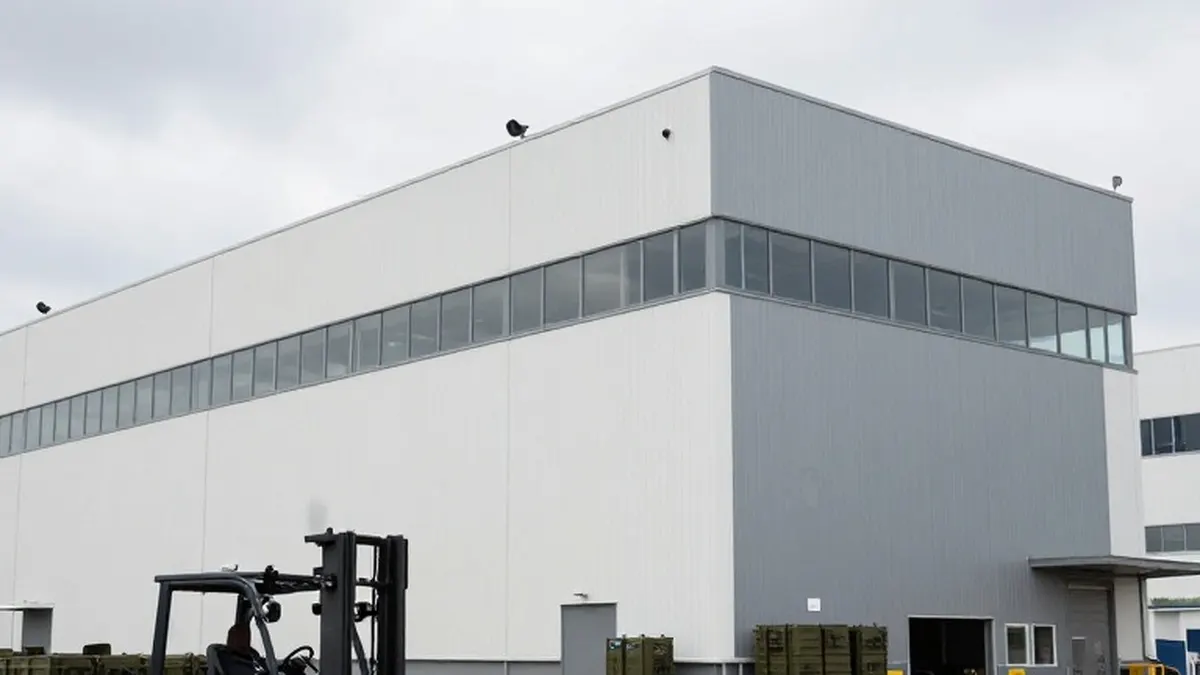
Despite strained diplomatic relations between the two nations, an Israeli weapons manufacturer and a Dutch defense firm have announced plans to build a joint manufacturing and assembly facility in the Netherlands. The partnership aims to produce Israeli arms within European borders, combining local industrial capacity with advanced defense technology.
In a press release issued on Monday, Israel Weapon Industries (IWI) and Artillerie Inrichtingen Armaments (AIA) detailed the scope of the new venture. The facility, to be located in the Netherlands, will focus on the production of two specific IWI weapon systems: the Arad 5 assault rifle and the Negev UX machine gun. The companies stated that the project combines Israeli expertise with Dutch industrial resources.
The division of labor in this joint endeavor is clearly defined. IWI will supply the underlying technology, product knowledge, and manufacturing know-how. In return, AIA will establish the physical manufacturing operation in the Netherlands, including the infrastructure necessary to deliver and support the products. The partners view this arrangement as a foundation for long-term domestic production and lifecycle support within the country.
The initiative is expected to strengthen the Netherlands' defense industrial base. By bringing manufacturing and assembly operations onshore, the project seeks to create a new model for collaboration between Dutch industry and an established international defense manufacturer. This move highlights a continued appetite for Israeli military hardware in Europe, even as other countries navigate complex political relationships with Israel.
This announcement comes at a time when European demand for Israeli arms remains robust. Defense Ministry officials noted in June that they were observing high levels of interest in Israeli weapons from across Europe. This trend continued in 2025, which marked the fifth consecutive year that annual global Israeli arms sales reached a new record high.
The partnership stands out because the Netherlands has not recognized the state of Palestine, unlike several other European nations such as France and Belgium. However, tensions between The Hague and Jerusalem have risen in recent years, with weapons policy being a significant point of contention.
Last year, the Dutch government paused most arms exports to Israel, permitting only parts for critical defense systems like the Iron Dome missile defense network. In October 2025, the Netherlands maintained its ban on exporting parts for F-35 fighter jets to Israel, a decision it upheld despite a Supreme Court order that had given it the option to reverse the policy.
Diplomatic friction deepened at the end of September when the Dutch government imposed a ban on products originating from Israeli settlements in the West Bank. The West Bank is considered occupied territory by much of the international community. In response to the ban, Israeli Foreign Minister Gideon Sa’ar revoked the accreditation of Dutch diplomats in Israel.
Public sentiment in the Netherlands has also played a role in the bilateral relationship. Tens of thousands of people took to the streets on Sunday to protest in support of the Palestinians. Additionally, the Netherlands withdrew from the 2027 Eurovision Song Contest, with the public broadcaster NPO citing the sensitive nature of Israel’s participation in the event.
The establishment of the weapons plant represents a pragmatic step for both companies, allowing them to navigate these political headwinds while securing a vital market share in Europe. The project underscores the complex interplay between defense industry interests and diplomatic politics in the current geopolitical landscape.