Carney says China trade is not a top concern for Trump
The Canadian prime minister downplayed the impact of a new $280 million trade pact with Beijing while facing sharp criticism from White House advisor Peter Navarro.
By Khalid Khalil ·
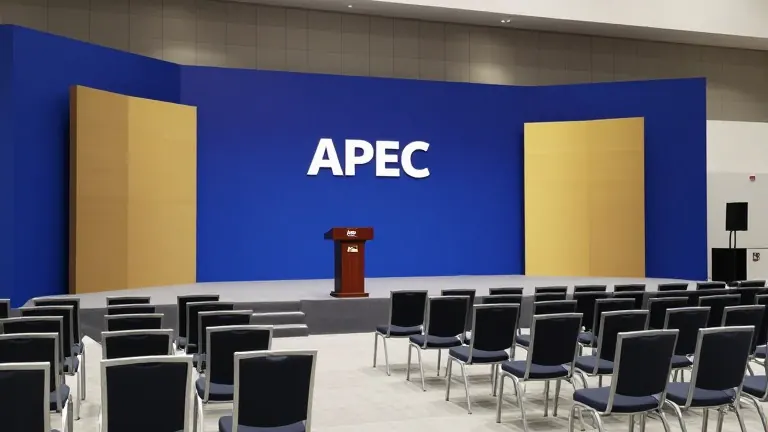
Mark Carney stated on Wednesday that the expanding commercial ties between Canada and China do not occupy a high priority in the mind of President Donald Trump. Carney made the remarks in Shenzhen ahead of the Asia-Pacific Economic Cooperation leaders' summit, asserting that the United States is focused on other issues.
The prime minister explained that Canadian exports to China consist primarily of raw materials rather than sensitive technologies. "We are exporting canola, we are exporting pork. We are exporting halibut," Carney said, adding that the trade includes liquefied natural gas and oil. He emphasized that the deal does not involve cutting-edge semiconductors.
The comments come amid tension between Ottawa and Washington. White House trade advisor Peter Navarro criticized Carney on Monday for suggesting that Canada might invite Chinese automakers to the country. Navarro wrote on X that the move was offensive and questioned why Canada would pit China against the United States.
The friction stems from the collapse of trade negotiations in August. After those talks failed, the United States imposed tariffs of 50% on approximately $20 billion in Canadian goods. Ottawa retaliated, prompting both sides to seek new markets.
On Tuesday, Carney met with Chinese President Xi Jinping. The two leaders agreed to further tariff cuts under which China will grant additional relief on Canadian exports valued at roughly 400 million Canadian dollars, or 280 million U.S. dollars. The measures cover frozen pork, fish, and seafood. In return, Canada will extend tariff exemptions for certain Chinese steel and aluminum products for two years.
Carney plans to meet with Trump later in the day to discuss bilateral trade. He noted that negotiations with the United States remain his top priority, but the outcome may determine whether Canada pursues alternatives involving European, Chinese, or Japanese automakers.