West Virginia Commemorates 63rd Anniversary of JFK Assassination
Residents mark the death of the president who transformed the state's political and economic landscape during his 1960 campaign and subsequent presidency.
By Evelyn Adeyemi ·
West Virginians observed the 63rd anniversary of President John F. Kennedy’s assassination this week, a date that remains a point of deep reflection in the Mountain State. The commemoration centers on the specific bond between the state and the president, a connection forged during the 1960 campaign when Kennedy tested his Catholic faith against the state’s Protestant majority. For residents who remember that era, the date marks a time when the state played a decisive role in the rise of a national political figure.
The 1960 campaign brought Kennedy to the hills and hollows of West Virginia, where he shook hands with coal miners and addressed diners and local media. The campaign strategy relied heavily on securing support from Democratic leaders in southern West Virginia. In a speech delivered the Sunday night before the primary election, Kennedy addressed voter concerns about his religion. He pledged that a violation of the separation of church and state would be both a constitutional crime and a sin, a statement recorded by Associated Press reporter Herb Little.
Voters in the state, described by the JFK Library as economically distressed and hardscrabble, voted for the Massachusetts senator on May 10, 1960. Kennedy’s victory in this overwhelmingly Protestant state was seen as a critical test for his presidency. The library notes that he used this period to shine a national spotlight on the region’s economic struggles and to outline a plan for recovery.
Following his election, Kennedy implemented policies that directly benefited West Virginia. The West Virginia Encyclopedia reports that his administration increased federal aid to the state and expanded welfare benefits for the poor. He also boosted federal defense contracts within the state and secured the inclusion of a major interstate highway in the federal program. These actions demonstrated a follow-through on the promises made during the campaign tour.
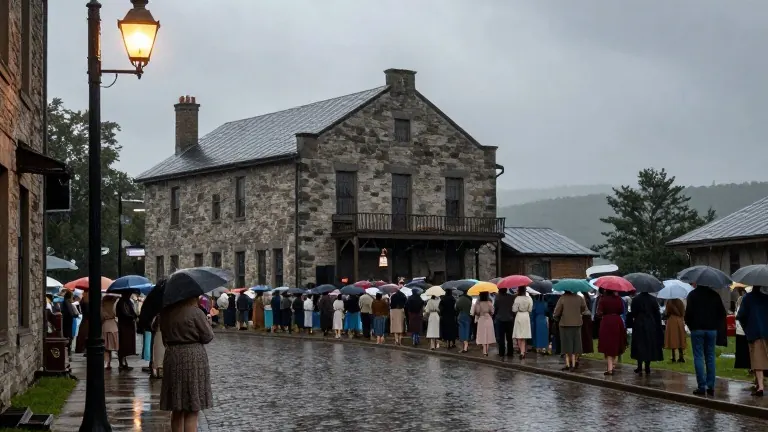
Kennedy returned to West Virginia on June 20, 1963, to participate in the state’s centennial celebration. During the event, held in rain, he acknowledged the state’s role in his political career. He told the crowd that his position and responsibilities would not exist without the support of West Virginians. This visit occurred five months before his death in Dallas on November 22, 1963.
The death of the president triggered widespread mourning across the state. The Wheeling Intergenerator published a front page editorial describing the population as a sorrowing and bewildered people. The piece noted that political divisions had disappeared in the face of the loss, with sympathy extending to the Kennedy family and the country mourning a beloved human being. The newspaper framed the event as a national tragedy that unified residents of all political stripes.
Historians and partisans continue to debate the full scope of Kennedy’s legacy. However, the consensus among those who lived through the 1960s is that Kennedy understood the state’s specific economic and cultural challenges. He maintained a connection to West Virginia throughout his presidency, a relationship that the state continues to remember and mourn 63 years later.