US Regulators Block Two Gadgets Over Hidden Huawei Chips
The FCC used a new rule to ban specific dashcams and transmitters based on their internal silicon rather than their brand names.
By Jonathan Pierce ·
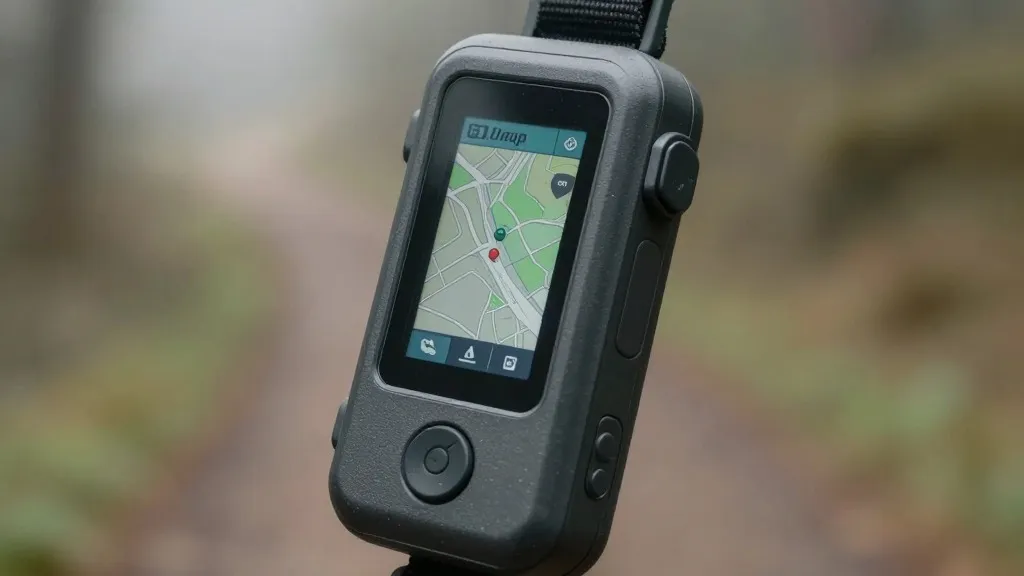
The US Federal Communications Commission has stopped two consumer electronics products from being sold in the United States. This marks the first time the agency has used a recently adopted rule to act based on the specific chips inside a device instead of just looking at the brand or model name. The two banned items are a dashboard camera and a wireless video transmitter. Both were blocked because they contain a specific system on a chip made by HiSilicon, a subsidiary of the major telecommunications giant Huawei.
The core of this regulatory shift is a move to close a common loophole in the market. Previously, manufacturers could rebrand products that contained parts from Chinese firms listed on US export restriction lists, allowing those goods to reach shelves. By targeting the silicon itself, the FCC no longer has to track every single product label or revision. This ensures that if a chip is deemed a risk, any device using it can be restricted without needing a separate case for each new gadget.
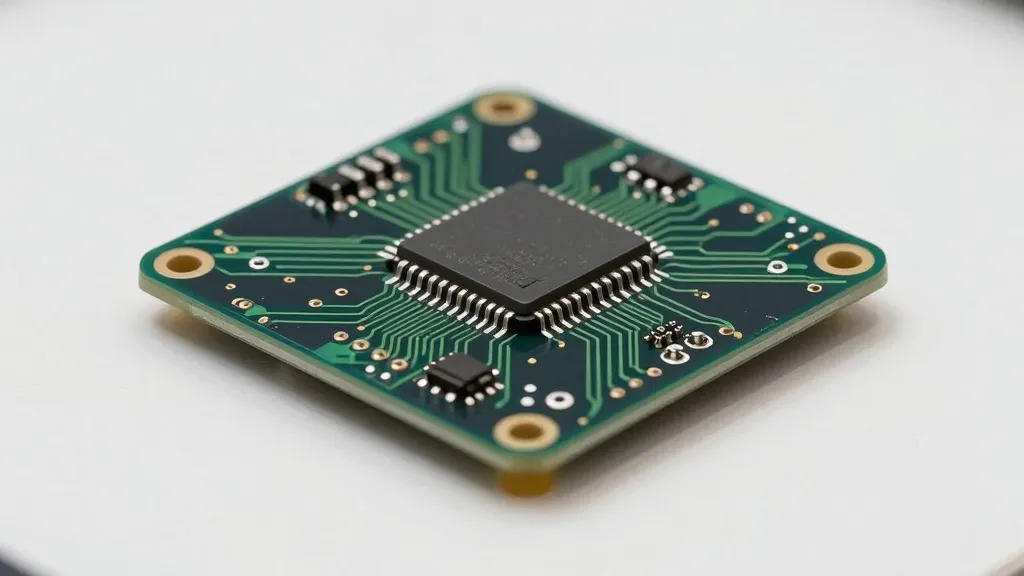
The specific chip at the center of this dispute is the Hi3516CV610 UHD Smart Vision. It is designed for surveillance and camera applications, including vehicle dashcams and wireless CCTV systems. The component integrates WiFi, Ethernet, and video encoding hardware with an Arm Cortex-A7 processor. Crucially, it also includes a neural processing unit, which is a specialized piece of hardware designed to handle artificial intelligence tasks efficiently.
The FCC is particularly concerned with the neural processing unit because it contains logic-bearing smart components made by entities on the agency's Covered List. According to the chip's technical documentation, this unit runs an Intelligent Video Engine that uses a built-in multimodal large model. This allows the AI to track relationships between objects across video frames, maintaining attention on subjects like pets, faces, and parcels. For a typical user, this feature helps distinguish between a pet escaping and an unknown person taking a delivered package.
While these features seem convenient for consumers, the regulator believes the same logic-bearing AI could be used for less benign purposes. The FCC argues that such technology could be used to survey US citizens and log their faces for foreign surveillance efforts. This concern is not new for Huawei, which has faced previous controversies in the US, including an incident where it used shell companies to deceive TSMC into manufacturing AI chips despite US requests to stop supplying certain Chinese customers.
The reaction to this decision has been mixed among industry observers and consumers. Some critics have labeled the move as protectionism, while others have questioned if American surveillance practices differ significantly from those of foreign entities. There is also debate over the scope of the FCC's authority, with some arguing that its mandate covers both wired and wireless communications under the Communications Act of 1934. Regardless of the debate, this new approach signals a stricter era for consumer electronics in the US, where the identity of the internal hardware now matters as much as the brand on the box.
Source: Tom's Hardware