Acting Navy Secretary Faces Senate Scrutiny Over Iran War Impact
Hung Cao defended the US Navy's readiness during a contentious confirmation hearing where lawmakers questioned the human and material costs of the ongoing conflict with Iran.
By Lorenzo Evans ·
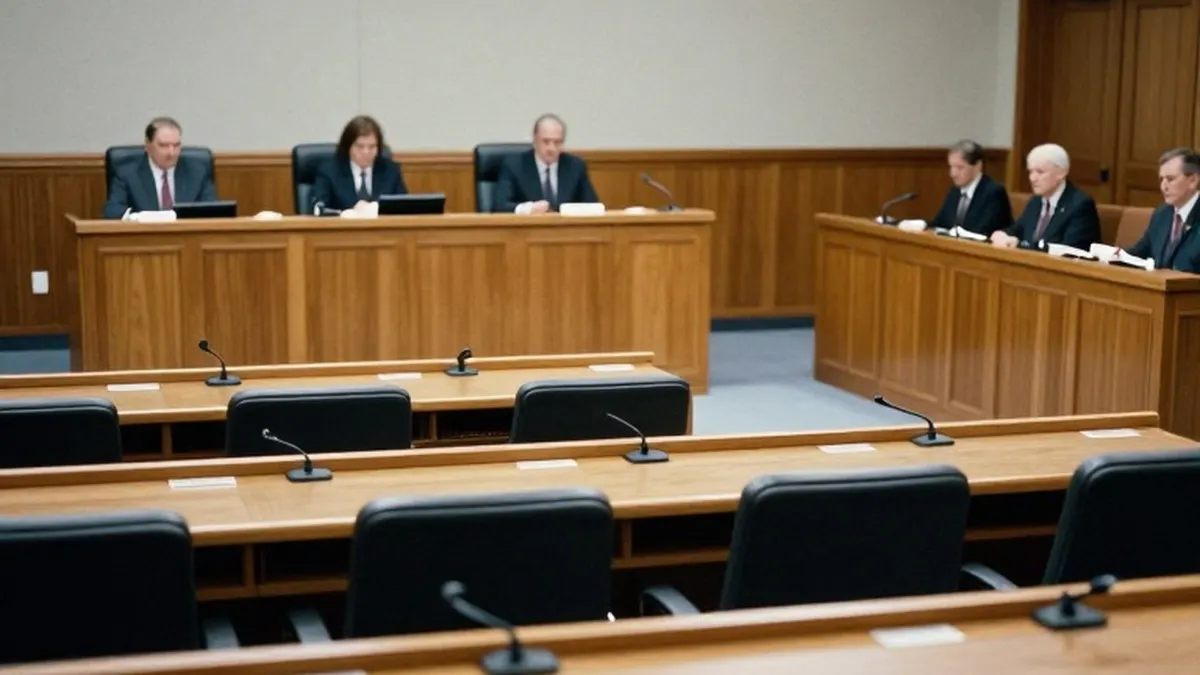
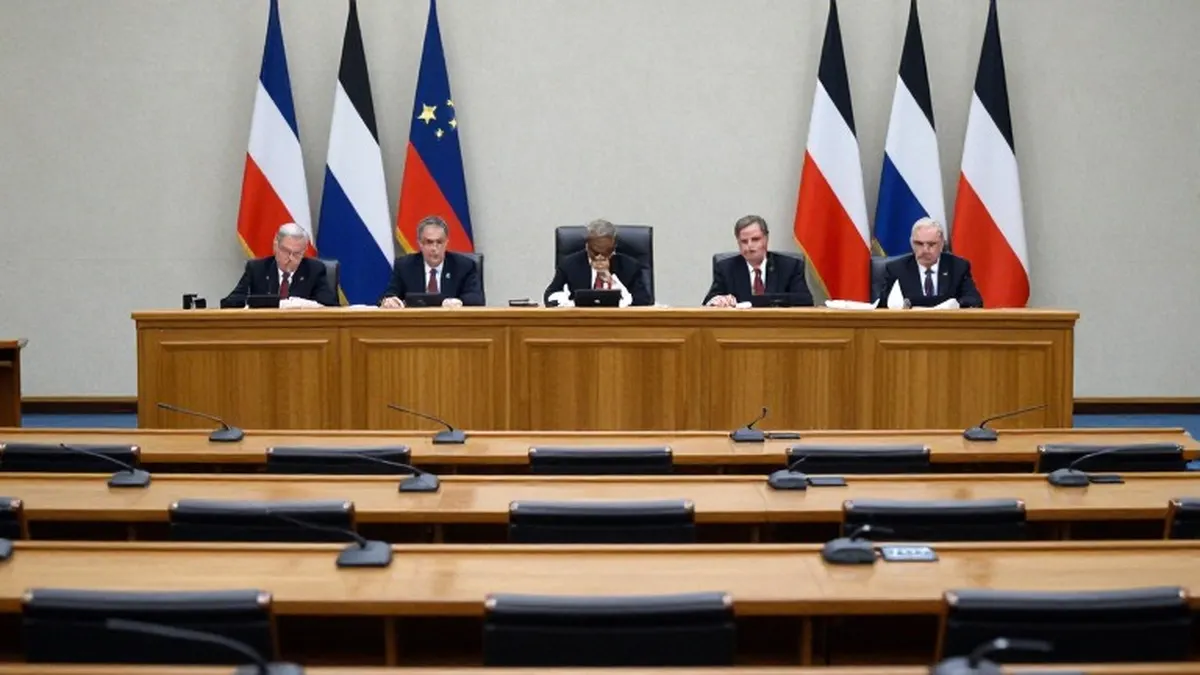
Acting United States Navy Secretary Hung Cao acknowledged during a Senate hearing that the ongoing war with Iran is placing significant stress on maritime forces. The testimony took place on Tuesday as Cao sought confirmation for the permanent top civilian position of the service. He faced pointed questions from both Republican and Democratic senators regarding extended ship deployments, declining weapons stockpiles, and the diversion of resources away from the Asia-Pacific region.
Cao, a retired Navy captain and former Republican candidate for the Virginia Senate, has served in his acting capacity since April 2026. He previously held the role of under-secretary. President Donald Trump has backed the candidate, who now requires Senate approval to lead the branch permanently. The hearing comes at a time of heightened political tension following a failed House effort to impeach Defense Secretary Pete Hegseth over his management of the war, which has now entered its ninth month.
Senator Jack Reed of Rhode Island, the ranking Democrat on the committee, expressed candid concern over Cao’s leadership record. Reed pressed the nominee to address the dismissal of numerous naval officers by the defense secretary over the past year. He asked whether Cao would protect military leaders from partisan influence in their careers. Democratic lawmakers also criticized the Navy for quietly relieving the leadership team of the nuclear-powered attack submarine USS South Dakota after an underwater collision in October without standard congressional notification.
In response to questions about the submarine incident, Cao argued that the Navy needs to protect the livelihoods of officers after their removal. He stated that the squadron commodore decided to relieve the commanding officer, executive officer, and command master chief because they did not meet the ethos of honor, courage, and commitment. Reed countered that privacy should not shield information from congressional oversight.
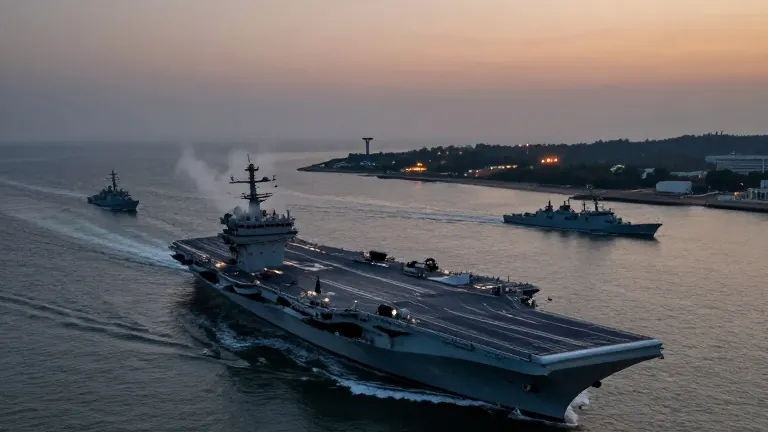
The nominee also faced intense questioning regarding the morale and mental health of sailors aboard the USS Abraham Lincoln. The carrier returned to San Diego in early October after a record-breaking 265-day deployment across multiple oceans. This return allowed the USS George Washington to take its place, contributing to a temporary massing of three carrier strike groups to bolster maritime security and enforce the naval blockade against Iran.
Senator Richard Blumenthal of Connecticut argued that Cao was failing sailors and their families, suggesting a lack of care based on his confrontational demeanor. Cao pushed back, noting that he does not control deployment lengths, which have increased from the previous standard of six to eight months. He emphasized that sustained investment in personnel would improve readiness, retention, and recruitment. When asked about suicide attempts on ships, Cao described eight such incidents as successful mitigations.
In his opening statement, Committee Chair Roger Wicker expressed support for Cao’s nomination, noting that the service faces both significant challenges and major opportunities during this volatile period. Last week, President Trump indicated that further strikes on Iran are unlikely and that the military component of the war is effectively over, though the US remains prepared if conditions change.
Despite the support from committee leadership, Cao faces a complex confirmation path. Federal law requires a seven-year separation from active duty to ensure civilian control of the military. Since Cao left active service in October 2021, he requires a rare congressional waiver to meet this mandate.
Securing this exemption requires a 60-vote threshold, a steep political climb in a polarized Washington. Cao must gather cross-party support from Democrats or independents to avoid a filibuster while also convincing war-skeptical Republicans. The Democratic-controlled 120th Congress is scheduled to be sworn in on January 3, 2027, adding to the timeline pressures for his confirmation.