Trump mandates AI energy payouts
New executive pressure requires data center builders to share power savings with nearby residents to ease local opposition.
By Ken Adams ·
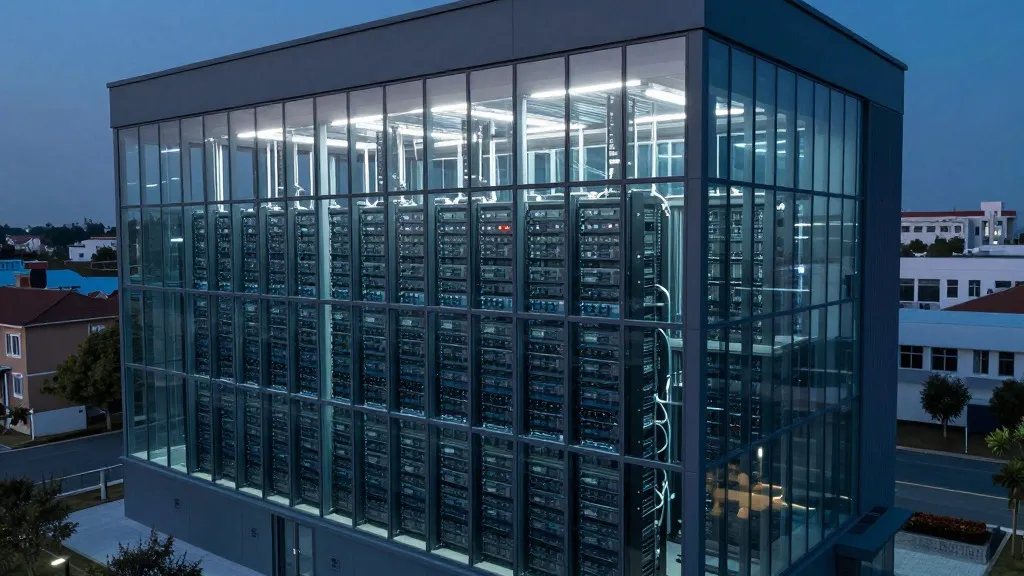
Residents living near large artificial intelligence facilities face a shift in their utility bills this week. Following a new directive from the White House, data center operators must now consider returning energy costs to their immediate neighbors. This move aims to stop rising electricity rates or lower them entirely for households in the vicinity of these massive computing hubs.
First, the President posted on Truth Social to outline the new expectations for hyperscalers. He stated that these companies must generate their own electricity. Crucially, the mandate requires them to give or sell any excess energy back to the local grid. This step is designed to offset the price hikes that typically accompany the installation of heavy industrial loads.
Second, the administration is responding to widespread local backlash. Communities across the United States have protested against AI data centers due to significant environmental and economic impacts. Residents have cited noise pollution, water shortages, air quality issues, and deforestation as primary concerns. The dividend structure is intended to make the presence of these facilities more acceptable to the public.
Third, the policy fits into a broader national strategy. The government is eager to maintain an advantage over China in the AI race. To win back favor, officials are pushing for deals that benefit local economies. A recently passed act already requires data centers to pay for grid upgrades. This new energy mandate builds on that foundation to prevent costs from falling on local taxes.
The President emphasized that financial agreements can change public perception. He noted that data centers were once highly unpopular in certain areas but became popular after financial deals were struck. He urged builders to make deals and get projects built. The administration believes that partially covering rising electricity costs will alleviate a major pain point for nearby homes.
However, the long term outlook remains uncertain. While the energy dividend addresses utility bills, it does not solve other issues like water consumption or ecological damage. Critics argue that the term dividend may be misleading for companies that are not yet profitable. Furthermore, the short term reliance on gas powered generators may still create noise and pollution concerns for neighbors, making the true benefit of the mandate a matter of debate.
The practical details of how these payouts will work are still being determined. The administration is looking for solutions that balance the need for rapid AI expansion with local community support. For now, the focus is on ensuring that the energy used by these centers does not come at a direct financial cost to the people living closest to them.
Source: Tom's Hardware